
Beautiful Plants For Your Interior
Beautiful Plants For Your Interior
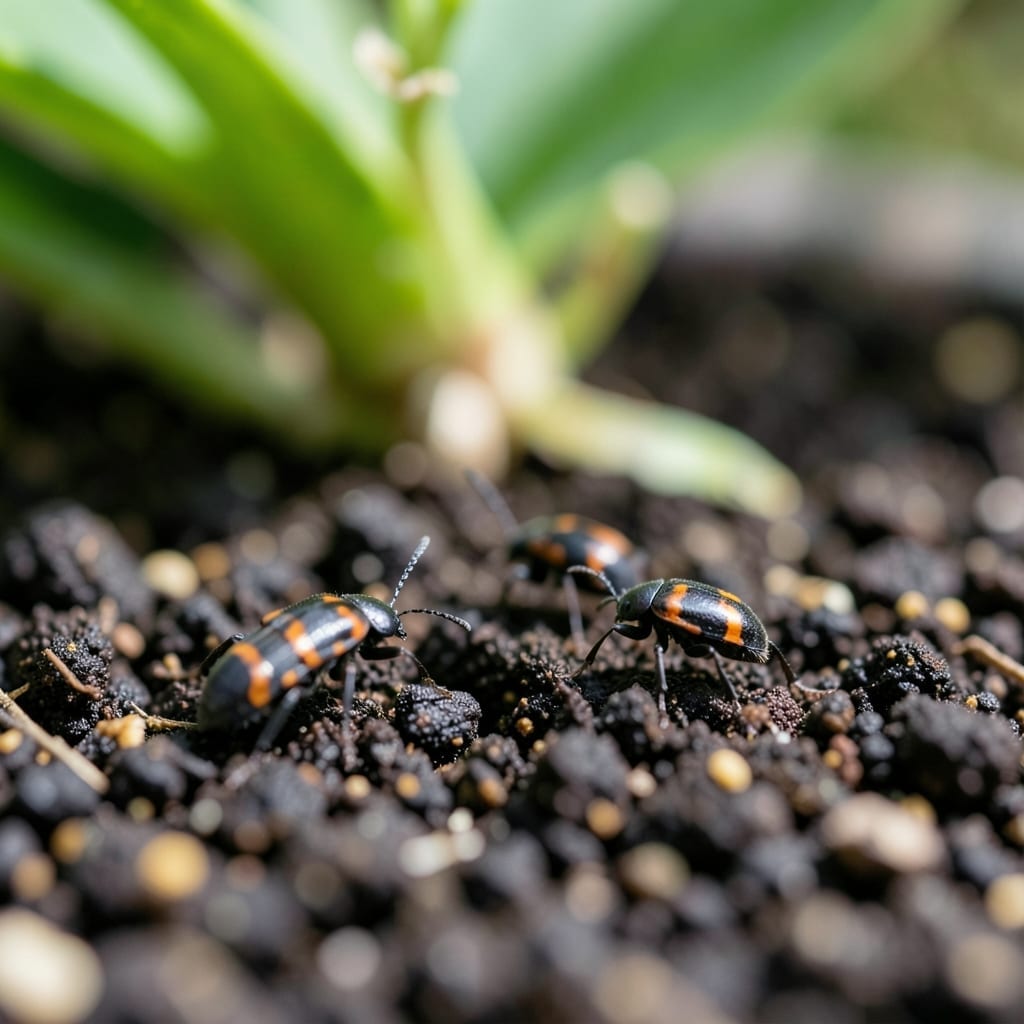
Tiny black bugs crawling in your orchid soil aren’t just gross—they’re a red flag. 🌱 I spotted them first in my phalaenopsis pot and panicked, but the solution turned out simpler than I expected.
Most orchid bugs are fungus gnats, attracted to soggy soil. They won’t kill your plant overnight, but their larvae munch on roots. The fix starts with letting your orchid dry out completely between waterings.
Within a week of adjusting my routine, the population crashed. For stubborn cases, I use a natural treatment that’s safe for the plant and my home. No harsh chemicals, no fuss.
Works for any orchid type, and prevents future infestations with one extra step. Here’s how to handle it right.
Orchid pests in the growing medium don’t appear out of thin air. They’re attracted by specific conditions or hitch a ride into your space. Below are the most common causes, explained in plain science so you can fix the root problem.
Soggy bark or moss creates a low-oxygen, high-moisture zone that fungus gnats, root mealybugs, and springtails love. Their larvae thrive in decomposing organic matter, so waterlogged mixes are essentially bug nurseries.
Bagged orchid media can harbor eggs or larvae from the factory. Reusing pots, scissors, or even your hands without sterilization spreads pests from one plant to the next.
Pests crawl or fly from nearby houseplants. Aphids, scale, and spider mites often migrate when populations explode on a stressed host, turning your orchid’s soil into their next colony.
Tropical temperatures (75–85 °F) and humidity above 60 % accelerate pest life cycles. These conditions mirror their native habitats, letting them reproduce faster than you can spot them.
Dealing with bugs in your orchid’s soil can be frustrating, but these practical solutions will help you restore your plant’s health. Here’s how to tackle common issues:
Let the top 1-2 inches of soil dry out completely between waterings to disrupt the gnat life cycle. Place yellow sticky traps near the pot to catch adults. For a natural fix, mix 1 part hydrogen peroxide with 4 parts water and water the plant with it—this kills larvae on contact.
Prevention tip: 💡 Avoid overwatering and use well-draining orchid mix to discourage moisture-loving pests.
Mix 1 tsp neem oil + 1 tsp mild soap + 1 quart water and spray the soil and leaves weekly until the mites are gone. Neem oil disrupts their feeding and reproduction.
Prevention tip: ✨ Increase humidity around your orchid (50-70%) to deter mites, which thrive in dry conditions.
Dab visible bugs with a cotton swab soaked in 70% isopropyl alcohol to dissolve their protective coating. For soil-dwelling pests, repot the orchid in fresh, sterile mix, discarding the old soil.
Prevention tip: 🎯 Inspect new plants before bringing them near your orchids to avoid infestations.
Apply beneficial nematodes (like Steinernema feltiae) to the soil. These microscopic worms hunt and kill aphids without harming your orchid. Follow package instructions for watering them in.
Prevention tip: 🌡️ Keep your growing area clean and free of decaying plant matter, which attracts aphids.
For all pests, quarantine affected plants immediately to prevent spreading. Consistency is key—repeat treatments every 5-7 days until the problem is resolved.
Tiny black flies are usually fungus gnats—their larvae damage roots. White cottony clusters indicate mealybugs, which drain plant sap. Both need immediate action.
No, always discard infested mix to prevent reinfestation. Sterilize the pot with 1 part bleach to 10 parts water before repotting in fresh orchid medium.
No, a 1:4 hydrogen peroxide to water solution is safe and kills larvae without harming roots. Use it once weekly until bugs disappear.
Repeat treatments every 5-7 days for at least 2-3 weeks to break the pest life cycle. Consistency ensures all stages are eliminated.