
Beautiful Plants For Your Interior
Beautiful Plants For Your Interior
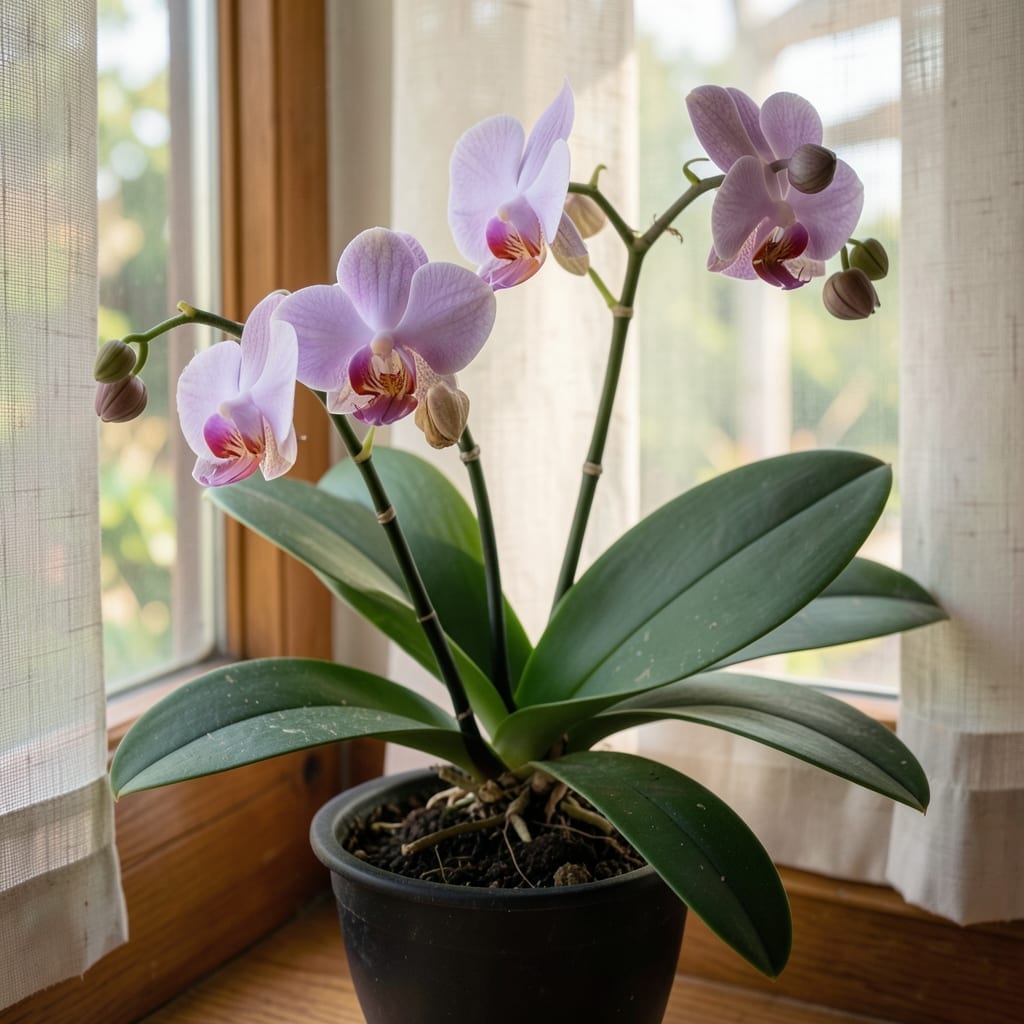
Nothing stings like watching orchid buds form, only to dry up and drop. 🌱 I’ve lost count of how many promising spikes I’ve watched wither before opening—each time learning something new about what these plants truly need.
The culprit is usually sudden change: a 5-degree temperature swing, a draft from a vent, or even moving the plant to a “better” spot. Orchids hate surprises, and bud blast is their dramatic way of protesting.
Here’s the thing—most cases are fixable. Adjust the environment, check your watering routine, and those remaining buds often recover. The key is acting fast before stress spreads to the whole spike.
With the right tweaks, you’ll see those tightened buds swell and open into vibrant blooms. It’s about giving them the stability they crave.
Orchid buds failing to open—often called bud blast—is usually triggered by environmental stress or cultural missteps. Here are the most common causes, explained scientifically and with actionable insights.
Orchids, especially Phalaenopsis and Dendrobium, are highly sensitive to sudden temperature swings. A drop below 55°F (13°C) or a spike above 85°F (29°C) disrupts cellular processes in the buds, causing them to abort. Even drafts from air conditioners or heaters can trigger this. Fix: Maintain a stable range of 65–75°F (18–24°C) and avoid placing orchids near vents or drafty windows.
Both overwatering and underwatering stress the plant, leading to bud drop. Overwatering suffocates roots, reducing nutrient uptake, while underwatering causes dehydration. Orchids prefer their roots to dry slightly between waterings. Fix: Water when the top inch of the medium feels dry, and ensure pots have drainage holes to prevent root rot.
A lack of phosphorus (critical for flowering) or an excess of nitrogen (which promotes leaf growth over blooms) can halt bud development. Orchids need a balanced fertilizer (e.g., 20-20-20) during active growth, switching to a bloom booster (e.g., 10-30-20) as spikes form. Fix: Use a fertilizer formulated for orchids and follow a consistent feeding schedule.
Insufficient light weakens the plant, preventing buds from maturing. Orchids like Cattleya or Vanda require bright, indirect light (1,000–1,500 foot-candles) to fuel photosynthesis and flower production. Low light leads to sparse, weak spikes that may blast. Fix: Move orchids to an east-facing window or supplement with grow lights (LED or fluorescent) for 12–14 hours daily.
Invisible pests like thrips, spider mites, or scale sap the plant’s energy by feeding on buds and stems. Their damage releases stress hormones that trigger bud abortion. Fix: Inspect plants weekly, especially under leaves and along spikes. Treat infestations with insecticidal soap or neem oil, isolating affected plants to prevent spread.
If your orchid buds refuse to open, don’t lose hope. The right adjustments can coax them back to life. Below are targeted fixes for the most common causes, along with prevention tips to keep your orchids thriving.
Move your orchid to a bright, indirect light spot—east or west-facing windows are ideal. Avoid harsh midday sun, which can scorch buds. Prevention: Rotate the plant weekly for even light exposure and use sheer curtains to diffuse intense rays.
Overwatering or drought stress can halt bud development. Water only when the top inch of the potting mix feels dry, and ensure the pot has drainage holes. Prevention: Use a moisture meter or the finger test to avoid guesswork. Soak the orchid for 10–15 minutes, then let it drain completely.
Orchids need stable temps (65–80°F daytime, 55–65°F at night). Avoid drafts, vents, or sudden temperature swings. Prevention: Keep orchids away from cold windows or heaters, and maintain a 10–15°F drop at night to encourage blooming.
Dry air can cause buds to wither. Aim for 40–70% humidity. Use a humidifier, pebble tray with water, or group plants together. Prevention: Mist lightly in the morning (avoid soaking buds) and avoid placing orchids near dehumidifiers.
Weak or malnourished orchids may drop buds. Use a balanced, water-soluble fertilizer (20-20-20) diluted to half strength every 2–4 weeks during active growth. Prevention: Flush the potting mix with water monthly to prevent salt buildup from fertilizers.
💡 Pro Tip: If buds are already blasted, trim the spike just above a node to encourage a new bloom cycle.
Water when the top 1 inch of mix feels dry, usually every 7-10 days. Soak for 10-15 minutes, then let drain completely. Avoid soggy roots.
Once buds dry and drop, they won’t recover. Trim the spike above a node to encourage new growth. Focus on stabilizing conditions first.
Aim for 40-70% humidity. Use a pebble tray or humidifier if air is dry. Avoid misting buds directly to prevent rot.