
Beautiful Plants For Your Interior
Beautiful Plants For Your Interior
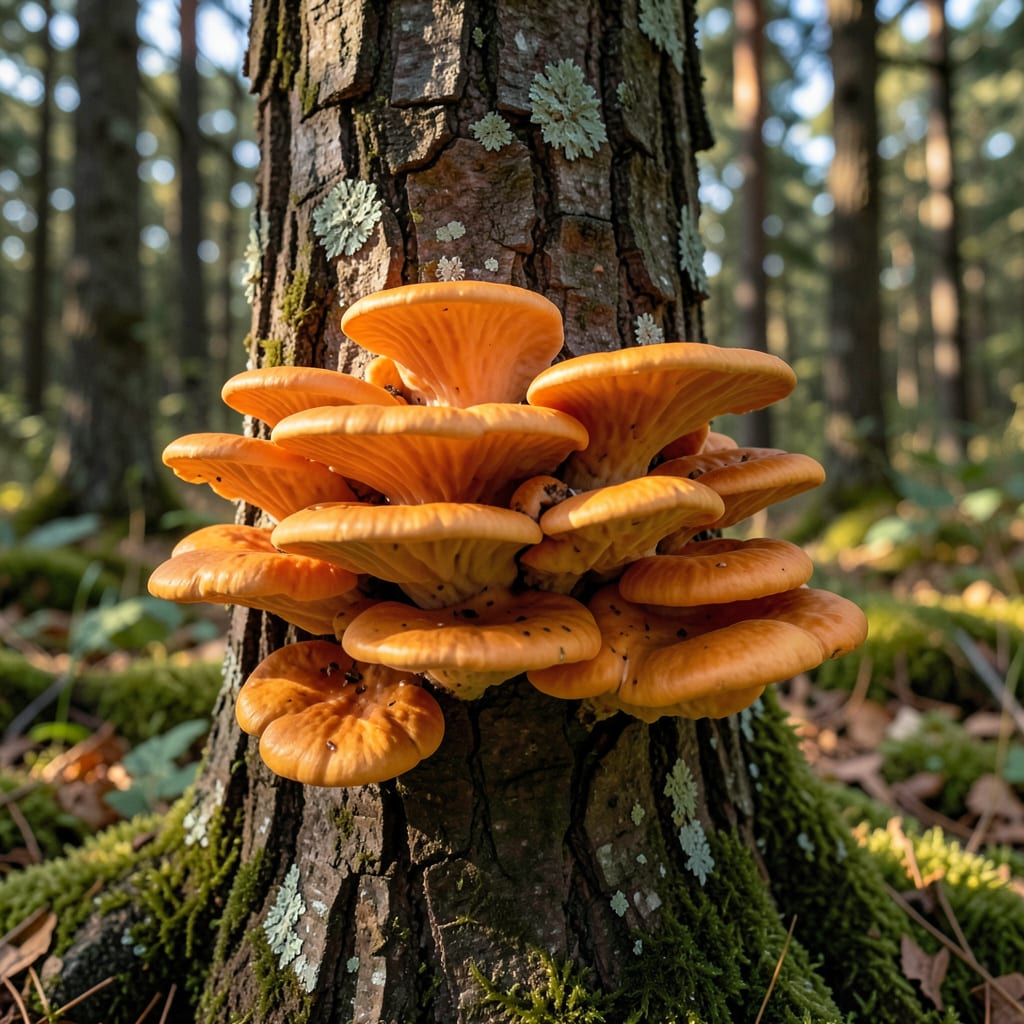
That orange stuff on your tree bark isn’t just ugly—it’s a warning sign. 🌱 I first spotted it on my maple last spring, bright as a traffic cone against the brown trunk.
Turns out it’s usually a fungus feeding on stressed wood, not the tree itself. Caught early, you can stop it from spreading. Left alone, it weakens branches and invites more problems.
Organic treatments work surprisingly well. A simple spray and some pruning can clear it up within weeks. The key is acting before it takes over.
Works for most hardwoods, from oaks to fruit trees. Here’s how to diagnose and treat it properly.
Orange fungus on trees often signals an underlying issue in the plant’s health or environment. Here are the most common causes, explained with actionable insights:
Many orange fungi, like Dothistroma (needle blight) or Fusarium species, thrive in wet, humid conditions. These pathogens infect trees through wounds, weak spots, or stressed tissue. Prevention: Improve air circulation and avoid overhead watering to reduce moisture buildup.
Drought, poor soil quality, or extreme temperatures weaken a tree’s defenses, making it vulnerable to opportunistic fungi. Orange fungi often appear on trees already struggling with nutrient deficiencies or root damage. Solution: Test soil pH and amend with organic compost to boost tree resilience.
Insects like bark beetles or aphids create entry points for fungal spores. Their feeding wounds or honeydew (a sticky residue) can foster fungal growth. Action: Inspect trees for pests and introduce beneficial insects (e.g., ladybugs) or neem oil treatments.
Fallen leaves, dead branches, or decaying fruit left near the tree provide a breeding ground for spores. Fix: Prune infected limbs and rake debris regularly to disrupt the fungus’s life cycle.
Early identification of these causes can help you target treatments effectively and protect your tree’s long-term health.
Dealing with orange fungus on your trees doesn’t have to be overwhelming. Below are targeted solutions for common causes, along with prevention tips to keep your trees healthy long-term.
Fungus thrives in damp, stagnant conditions. Thin out dense branches to allow airflow and sunlight to reach the inner canopy. Prune affected areas immediately, sterilizing your tools with rubbing alcohol between cuts to avoid spreading spores. For severe cases, consider transplanting nearby plants to reduce crowding.
Overwatering or poor drainage creates a fungal paradise. Water trees at the base early in the day so foliage dries quickly. Use a drip irrigation system to keep leaves dry, and mulch around the base (but not touching the trunk) to regulate soil moisture. If the soil stays soggy, improve drainage with organic matter like compost.
Fallen leaves, fruit, or bark can harbor spores. Rake and remove all debris under the tree, especially in autumn. Burn or bag infected material—do not compost it, as this can spread the fungus. Disinfect the area with a natural fungicide like neem oil or a baking soda solution (1 tbsp baking soda + 1 gallon water + 1 tsp dish soap).
A stressed tree is more vulnerable. Strengthen your tree with balanced, organic fertilizer and proper pruning to encourage vigorous growth. Apply a copper-based fungicide as a preventive spray in early spring or after heavy rains. For organic options, try Bacillus subtilis or potassium bicarbonate sprays every 2–3 weeks during wet seasons.
💡 Pro Tip: Inspect trees regularly for early signs of orange fungus (e.g., rust-colored spots or powdery growth). Catching it early makes treatment far easier!
Yes, it can weaken the tree over time if untreated. It often signals stress or disease, and may spread to healthy branches. Act quickly to prevent long-term damage.
Use neem oil or a baking soda solution (1 tbsp per gallon of water). Remove infected branches and improve airflow for natural control.
Recurring fungus usually means poor air circulation or excess moisture. Prune dense areas, water at the base, and clean up fallen debris to break the cycle.
Early spring or after heavy rains is ideal. Treat at the first sign of orange spots, and reapply every 2-3 weeks during wet seasons.
