
Beautiful Plants For Your Interior
Beautiful Plants For Your Interior
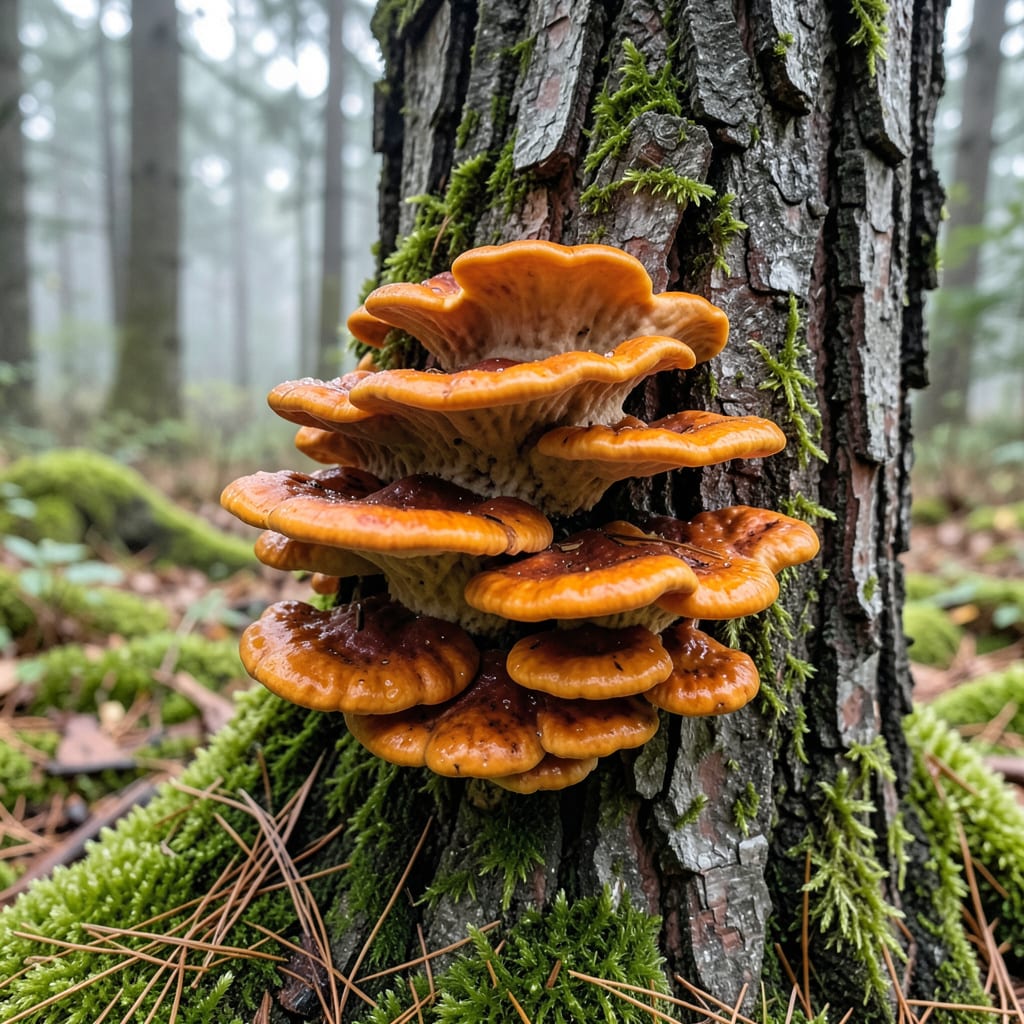
That bright orange spot on your tree trunk isn’t just ugly—it’s a warning sign. I’ve seen this fungus spread faster than you’d expect, and early action makes all the difference.
The orange growth usually means stress from moisture, poor airflow, or compacted soil. Left unchecked, it weakens the tree and can spread to others. The good news? Most cases respond well to simple treatments if caught soon.
You’ll need to remove the fungus, improve conditions, and monitor for regrowth. Some trees bounce back in weeks, while others need ongoing care.
Works for oaks, maples, and fruit trees. Here’s how to tackle it before it’s too late.
Orange fungus on tree trunks often signals underlying issues that create ideal conditions for fungal growth. Below are the most common causes, explained with actionable insights.
Prolonged dampness from poor drainage, overwatering, or heavy rainfall weakens tree bark, making it susceptible to fungal spores. Trees in shaded, humid areas are especially at risk. Ensure proper airflow and avoid waterlogging near the base.
Physical injuries—from pruning cuts, animal scratches, or lawn equipment—create entry points for fungi like Aleurodiscus or Fusarium. Sterilize tools before pruning and protect trunks with guards to prevent wounds.
Decaying leaves, mulch, or dead wood at the trunk’s base trap moisture and harbor spores. Regularly clear debris and maintain a 2–3 inch gap between mulch and the bark to reduce infection risk.
Drought, extreme heat, or soil compaction stress trees, lowering their resistance. Weakened trees release chemicals that attract fungal pathogens. Improve soil health with compost and monitor water levels during dry spells.
Some fungi (e.g., Neonectria) lie dormant in soil or dead wood, activating when conditions favor them. Remove infected plants or wood promptly to prevent spread.
If you’ve spotted orange fungus on your tree trunk, don’t panic—there are effective ways to treat it and prevent further spread. Below are practical solutions tailored to common causes, along with prevention tips to keep your trees healthy.
For active fungal growth, start by pruning infected branches with sterilized shears (dip in rubbing alcohol between cuts). Dispose of the debris far from your garden to avoid reinfection. Apply a copper-based fungicide or neem oil to the affected area and surrounding bark. Reapply every 7–10 days until the fungus disappears.
Fungus thrives in damp, stagnant conditions. Thin out dense foliage to allow sunlight and air to reach the trunk. Space trees appropriately during planting, and avoid overcrowding with shrubs or other plants. A quick mulch check helps too—keep it 6 inches away from the trunk to prevent moisture buildup.
If excessive moisture is the culprit, reduce watering frequency and ensure your tree’s soil drains well. Use a moisture meter to gauge needs, and water deeply but infrequently. For potted trees, confirm drainage holes are unclogged. Pro tip: Water early in the day so foliage dries by evening.
With consistent care, your tree can recover and stay fungus-free!
Yes, it can weaken the tree over time if left untreated. The fungus may spread to other parts and reduce the tree’s ability to absorb nutrients. Early intervention is key to preventing long-term damage.
A baking soda solution (1 tablespoon per gallon of water) can work for mild cases. Spray it on the affected area and repeat every 5-7 days until the fungus disappears. For severe infections, use a copper-based fungicide.
Yes, fungal spores can travel through air or water. Remove infected debris immediately and avoid watering overhead to minimize spread. Keep an eye on neighboring trees for early signs.
