
Beautiful Plants For Your Interior
Beautiful Plants For Your Interior
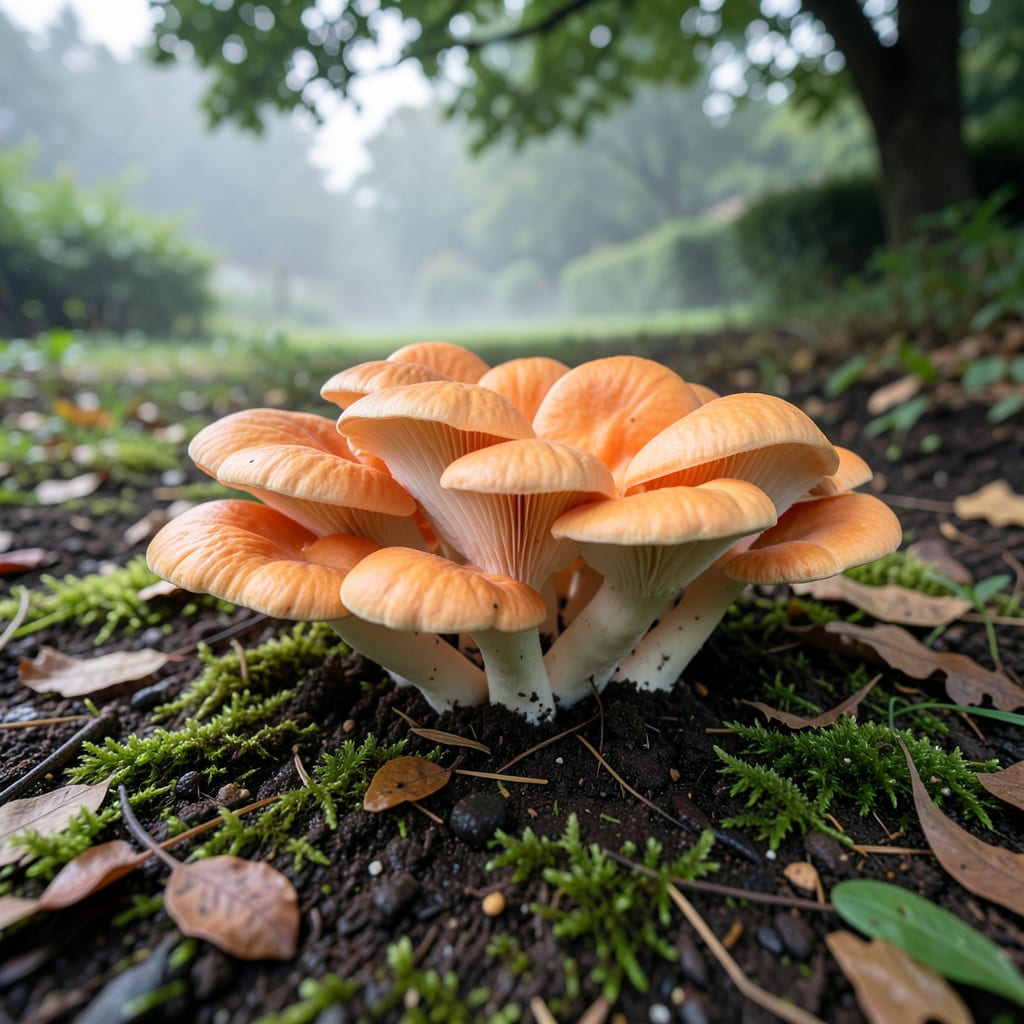
That bright orange fungus popping up overnight isn’t just ugly—it’s your yard’s way of waving a red flag. I’ve seen this more times than I can count, and it always means the same thing: too much moisture in the wrong places.
It thrives in damp, shady spots where organic matter piles up. Most people panic and reach for chemicals, but the solution starts with better airflow and drainage. A little sunlight helps too.
You’ll notice it disappears within 2-3 weeks once conditions dry out. The real fix is preventing it from coming back next season.
Works for lawns, garden beds, or anywhere this orange invader decides to crash. Here’s how to show it the door.
Orange fungus thrives in your yard due to a mix of environmental and biological factors. Understanding these causes helps you tackle the problem at its root. Below are the most common reasons this vibrant, often unsightly, fungus appears in lawns and gardens.
Fungus loves damp conditions. Overwatering, poor drainage, or heavy rainfall can create the perfect breeding ground for orange fungus, such as Fuligo septica (commonly called “dog vomit slime mold”). This organism thrives in consistently wet soil, especially in shaded areas where moisture lingers longer.
Decaying leaves, grass clippings, or wood chips provide ample food for fungus. Orange fungus, including species like Daldinia concentrica, feeds on decomposing organic matter. If your yard has thick layers of thatch or untidy piles of plant debris, you’re essentially rolling out a welcome mat for fungal growth.
Orange fungus often emerges during warm, humid seasons—typically late spring to early fall. These conditions accelerate fungal spore germination. For example, slime molds and Myxomycetes become highly active when temperatures range between 60°F and 80°F (15°C–27°C) with high humidity, making your yard a prime target.
Compacted or poorly aerated soil reduces oxygen flow, creating an anaerobic environment that some fungi love. This is especially true for Trametes or Pycnoporus cinnabarinus, which may appear as bright orange growths on wood or soil surfaces. Aerating your lawn can disrupt these conditions and discourage fungal spread.
Orange fungus in your yard can be unsightly, but it’s often manageable with the right approach. Below are practical solutions tailored to common causes, along with prevention tips to keep your yard fungus-free.
If fallen leaves, grass clippings, or wood chips are piling up, they create a perfect breeding ground for fungus. Rake and remove organic debris regularly. For stubborn patches, aerate the soil to improve drainage and reduce moisture buildup. A simple garden rake or aerator tool can work wonders.
Prevention: Keep your yard tidy, especially in shady, damp areas where debris accumulates quickly.
Fungus thrives in soggy conditions. Reduce watering frequency and ensure your yard has proper drainage. If you notice standing water, consider installing a French drain or using a de-thatching rake to break up compacted soil.
Prevention: Water your lawn early in the morning so the sun can dry excess moisture. Aim for 1–1.5 inches of water per week, including rainfall.
Dense shrubs or overhanging tree branches block sunlight and airflow, encouraging fungal growth. Trim back foliage to allow more light and air circulation. For grassy areas, thin out dense patches of plants to reduce humidity.
Prevention: Regularly prune trees and bushes, and avoid over-planting in small spaces.
If the fungus persists, use a natural fungicide like neem oil, baking soda solution (1 tbsp baking soda + 1 gallon water + a few drops of dish soap), or cornmeal. Apply in the early stages for best results. For severe cases, a commercial fungicide labeled for lawn use may be necessary.
Prevention: Apply a thin layer of compost tea or beneficial bacteria (like Bacillus subtilis) every few months to boost soil health and deter fungal spores.
Pro Tip 💡: Always wear gloves when handling fungus or fungicides, and dispose of infected plant material in sealed bags—not your compost pile—to prevent spreading.
Most orange yard fungi are not toxic, but it’s best to keep pets and kids away. Some types, like slime molds, are harmless, but others may cause mild irritation. Always wash hands after contact.
It usually stays in moist, shaded soil areas. However, if left untreated, spores can travel via wind or water to nearby plants. Remove it promptly and improve drainage to prevent spread.
With dry, sunny conditions, most orange fungus will fade within 2-3 weeks. Speed this up by raking debris and reducing water in the affected area.
