
Beautiful Plants For Your Interior
Beautiful Plants For Your Interior
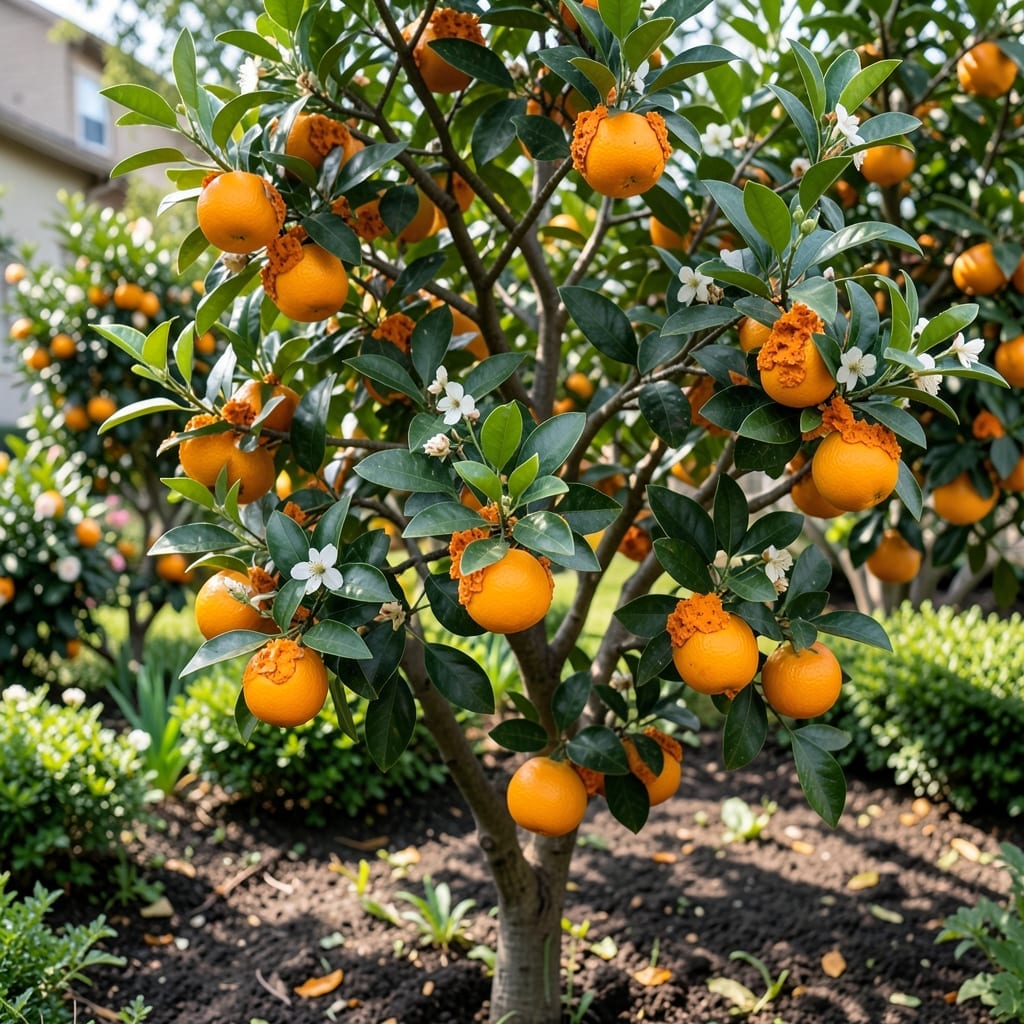
That bright orange coating on your tree bark isn’t autumn foliage. I first spotted it on my maple last spring and assumed it was harmless—until branches started dying back.
This fungus spreads quickly in damp conditions, creating a crusty layer that chokes the tree’s ability to breathe. The good news? It’s treatable if you catch it early. You’ll need pruners, rubbing alcohol, and a sharp eye for affected areas.
After removing the infected bark and sterilizing my tools, I saw new growth within 6 weeks. The tree’s health improved dramatically, and the fungus didn’t return the next season.
Works for most deciduous trees and shrubs. Here’s how to identify it and stop the spread before it takes over.
The appearance of orange crust fungus is usually tied to environmental and ecological conditions that favor fungal growth. Below are the most common causes, explained in clear, actionable terms.
Fungi thrive in damp environments. Prolonged periods of rain, poor drainage, or high humidity create ideal conditions for spores to germinate and spread. This is especially true in shaded, low-lying areas where moisture lingers on wood, soil, or organic debris.
Orange crust fungus often colonizes dead or decaying plant material, such as fallen logs, bark mulch, or leaf litter. As these materials break down, they release nutrients that feed fungal growth. Removing or turning over organic debris can disrupt this cycle.
While some fungi prefer cooler climates, many species of crust fungi flourish in moderate to warm temperatures (60–80°F). This range accelerates spore development and mycelial spread, particularly when combined with moisture.
Stagnant air traps humidity and prevents surfaces from drying out. In gardens, dense plantings or piles of wood can restrict airflow, creating microclimates where orange crust fungus easily establishes itself. Pruning or spacing out materials can improve ventilation.
Dealing with orange crust fungus requires a mix of removal and prevention. Below are targeted solutions for common scenarios, along with tips to keep it from coming back.
For visible patches on trees, shrubs, or soil, gently scrape off the fungus with a sterilized knife or brush. Dispose of the debris in a sealed bag to prevent spores from spreading. Never compost infected material.
Orange crust fungus thrives in damp, poorly drained soil. Amend the soil with organic matter like compost or sand to boost airflow. Raise garden beds if waterlogging is an issue.
Prune affected branches at least 6 inches below the infected area, using sterilized tools. Apply a fungicide (copper-based or neem oil) to the cuts and surrounding bark to halt further spread.
Consistency is key—tackle issues early, and maintain good garden hygiene to minimize future outbreaks.
Yes, it can weaken trees by blocking nutrient flow. Left untreated, it may cause branch dieback or stunted growth. Act quickly to prevent long-term damage.
Avoid bleach or harsh chemicals—they can harm plants. Stick to sterilized tools and approved fungicides like copper-based sprays or neem oil.
Remove infected debris in sealed bags, improve airflow, and avoid overhead watering. Regularly inspect vulnerable plants for early signs.