
Beautiful Plants For Your Interior
Beautiful Plants For Your Interior
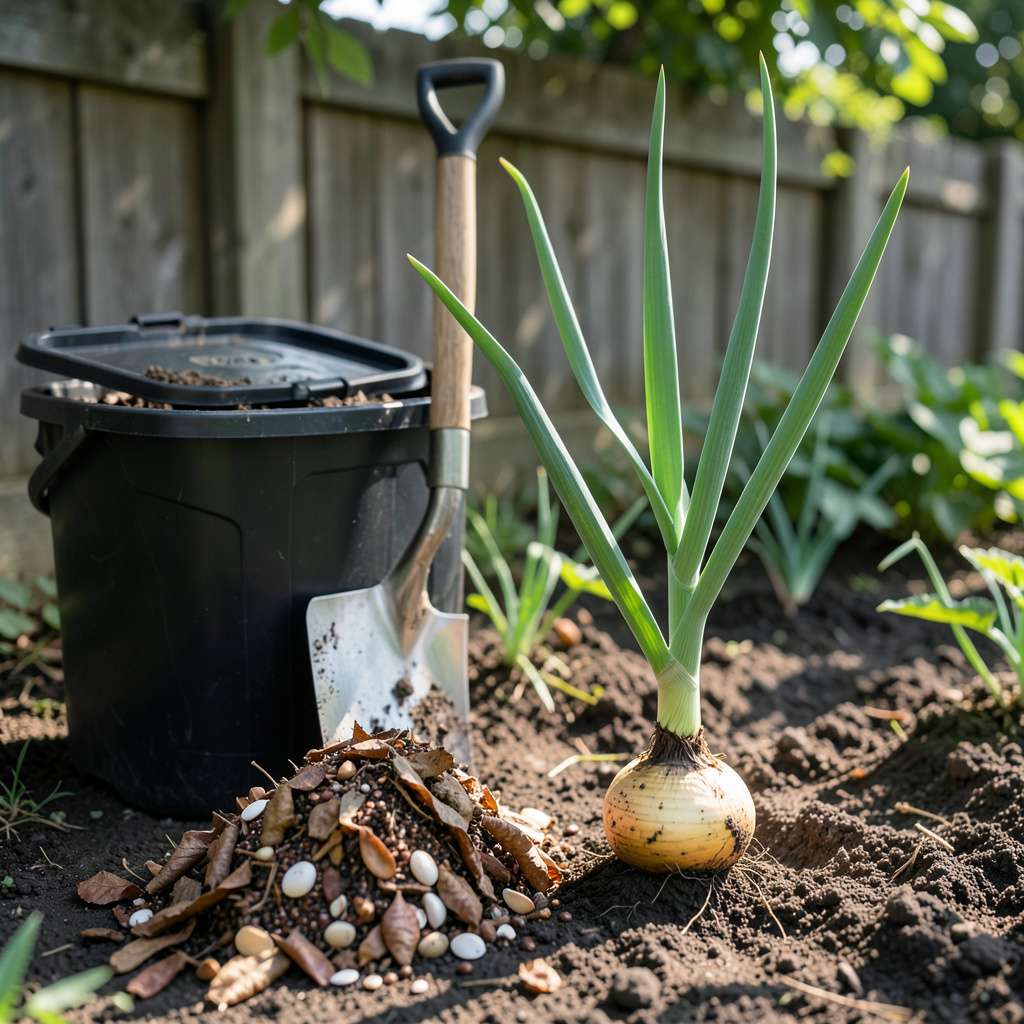
Yes, onions can go in compost but require proper handling. Their strong odor and sulfur compounds may slow decomposition or attract pests if added in large quantities. Chop them finely and mix well with carbon-rich materials like leaves or straw.
From my years of composting, I’ve learned that onions bring both benefits and challenges to the pile. 🔥 The sulfur compounds that give onions their pungent aroma can actually disrupt microbial activity if not balanced properly—think of it like adding too much spice to a recipe. That’s why I always recommend burying onion scraps deep in the pile rather than leaving them on top, where they might attract fruit flies or rodents. The key is creating a 1:3 ratio of onion scraps to dry browns like shredded newspaper or wood chips, which helps neutralize odors while speeding up breakdown.
What many gardeners don’t realize is that onions can actually enhance compost quality when handled correctly. ✨ Their natural antifungal properties help suppress harmful pathogens in the pile, making the finished compost even more beneficial for plants. Just remember to avoid composting diseased onions, as their pathogens might survive the process and later infect your garden soil.
💡 In This Article
When onions enter your compost, their sulfur compounds immediately interact with the microbial ecosystem. These compounds—like allicin and thiosulfinates—create a temporary antibacterial effect that can slow decomposition if concentrated.
🔥 The microbes responsible for breaking down organic matter become less active in highly acidic environments, and onions naturally lower the pile’s pH during their initial breakdown phase.
The decomposition process begins with soft tissue breakdown within 2-3 weeks, but the fibrous layers take longer. Chopping onions into 1/4-inch pieces exposes more surface area to microbes, accelerating this process. Without proper aeration, these sulfur compounds can create hydrogen sulfide gas—the source of that rotten egg smell.
This is why turning your pile every 5-7 days becomes crucial when adding onion scraps.
Here’s what’s actually happening at the microbial level: The sulfur in onions binds with nitrogen in the pile, temporarily creating ammonium compounds. While this might sound problematic, it’s actually beneficial in small quantities—these compounds later convert to plant-available nitrogen.
The trick is maintaining a 30:1 carbon-to-nitrogen ratio by adding dry leaves or straw to balance the onion’s nitrogen content.
Temperature plays a surprising role too. Onion decomposition works best between 120-150°F, where thermophilic bacteria thrive. Below 90°F, the process stalls, and above 160°F, you risk killing beneficial microbes. This temperature sweet spot also helps neutralize the sulfur compounds faster.
I’ve found that burying onion scraps 8-12 inches deep in the pile maintains this ideal heat range while minimizing odor.
The moisture content of onions (about 89%) means they can make your pile too wet if added in bulk. This creates anaerobic conditions where harmful bacteria thrive. The solution? Mix onion scraps with absorbent materials like sawdust or cardboard in a 1:2 ratio.
This prevents the “onion soup” effect I’ve seen in poorly managed piles, where the bottom becomes a slimy, smelly mess.
What most gardeners miss is how onions affect the final compost quality. Their sulfur content actually improves the compost’s nutrient profile, making it particularly beneficial for sulfur-loving plants like broccoli and cabbage. ✨ The finished compost from properly balanced onion scraps often tests higher in potassium and phosphorus—two nutrients essential for flower and fruit development.
An interesting comparison: Onion decomposition behaves similarly to garlic but with 30% faster breakdown due to lower alliin content. Unlike citrus peels that can take months to decompose, onion skins (when chopped) typically disappear within 4-6 weeks in a well-managed pile.
The paper-thin membranes between onion layers actually provide surface area that speeds up microbial access.
The visual transformation is fascinating to watch. Fresh onion scraps start as pale yellow or white pieces that darken to brown within days as oxidation occurs. By week three, they become unrecognizable as they integrate with other materials.
This color change signals the sulfur compounds are breaking down properly—dark brown means successful decomposition, while black indicates potential anaerobic conditions.
One pro tip from my composting journals: If you’re adding significant onion quantities, sprinkle a handful of garden lime (1 cup per cubic foot) over the pile. This neutralizes excess acidity from the sulfur compounds while providing calcium that helps balance the compost’s mineral content.
The result is richer, sweeter-smelling compost that plants absolutely thrive in. 🌟
They can if not handled properly. The strong odor draws fruit flies and rodents. Bury scraps 8-12 inches deep in the pile center and cover with 2 inches of browns (leaves, straw) to block smells. Freezing scraps first also reduces pest interest.
Chopped onion scraps typically break down in 4-6 weeks in an active pile. Whole onions may take 2-3 months. Speed it up by cutting into 1/4-inch pieces and maintaining 120-150°F temperatures with regular turning.
Sprouted onions are fine, but avoid moldy ones. Black mold or soft rot pathogens can survive composting and infect your garden. When in doubt, toss questionable onions in the trash. Healthy sprouted onions actually add extra nutrients to your compost pile.
Temporarily, yes. Sulfur compounds create a strong odor for 24-72 hours. Neutralize smells by adding 1 cup garden lime per cubic foot of onions, or mix with citrus peels to mask odors. Proper aeration eliminates smells within days.
The finished compost is safe, but fresh onion-heavy compost may irritate sensitive plants. Let it cure for 2 weeks before using on seedlings. Onion-enriched compost particularly benefits sulfur-loving plants like broccoli, cabbage, and garlic.
