
Beautiful Plants For Your Interior
Beautiful Plants For Your Interior
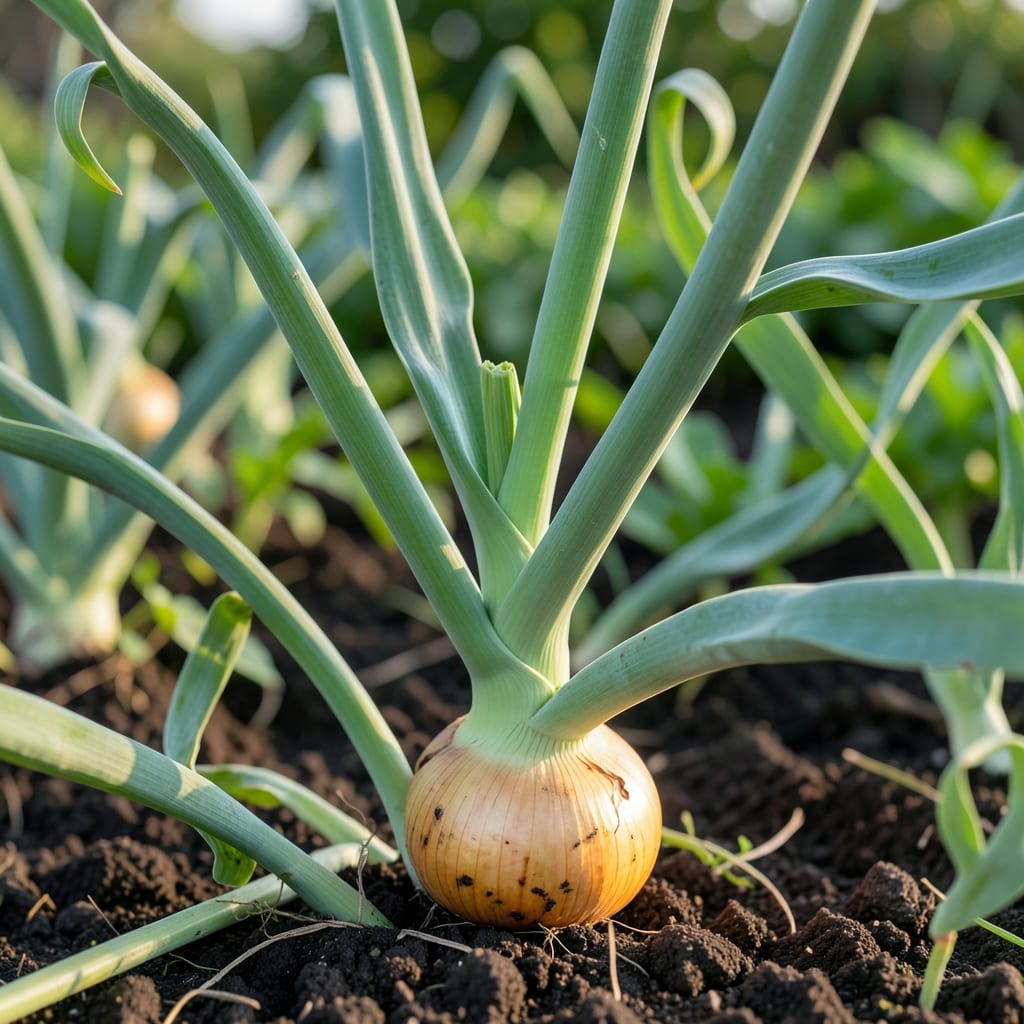
Last season, my onion patch looked like it had survived a wind tunnel. 🌱 The leaves twisted into tight spirals overnight, and I knew something was seriously wrong.
Turns out, onion leaf curl isn’t just unsightly—it chokes off growth and invites disease. I traced it back to inconsistent watering and a surprise late frost that caught me off guard.
Within 48 hours of adjusting my care routine, new growth started emerging straight and strong. The fix was simpler than I expected: steady moisture and a little protection from the elements.
This approach works for any onion variety, whether you’re growing from sets or seeds. Your plants can bounce back faster than you’d think.
Onion leaf curl doesn’t happen without a reason. Here are the most common culprits behind this frustrating garden issue, explained in plain science so you can act fast.
Fungi like Alternaria porri and Peronospora destructor (downy mildew) thrive in wet, humid conditions. They infect onion leaves, disrupting cell function and causing the edges to curl inward as tissues dehydrate unevenly. Spores spread via wind or water splash, making crowded or poorly ventilated beds high-risk zones.
Extreme heat, drought, or sudden temperature swings force onions to conserve moisture. The leaves curl to reduce surface area and slow water loss—a survival tactic. Consistent irrigation and mulching can prevent this stress response.
Thrips and aphids pierce leaf cells to feed, triggering localized damage. The plant reacts by curling affected areas to protect itself. Check undersides of leaves for tiny insects or silvery streaks—early signs of infestation.
Excess nitrogen promotes lush but weak growth, while potassium or calcium deficiencies weaken cell walls. Both scenarios can lead to malformed, curled leaves. A soil test ensures your onions get balanced nutrition.
Even low doses of broadleaf herbicides (like 2,4-D) can cause onion leaves to twist and cup. This chemical stress disrupts normal growth hormones. Avoid spraying near onion patches, especially on windy days.
Tackling onion leaf curl starts with pinpointing the cause. Below are targeted fixes for the most common triggers, paired with prevention tips to keep your garden thriving.
If thrips are the culprits, start by pruning heavily infested leaves and disposing of them in sealed bags. Spray the remaining plants with neem oil or insecticidal soap every 3–5 days until the pests are gone. Prevention tip: 💡 Introduce beneficial insects like ladybugs or lacewings, and use reflective mulch to deter thrips.
For fungal issues, remove and destroy curled, yellowing leaves to stop the spread. Apply a copper-based fungicide or a baking soda solution (1 tbsp baking soda + 1 tsp dish soap + 1 gallon of water) weekly. Prevention tip: 🌡️ Space plants 6–8 inches apart for better airflow, and water at the base to keep foliage dry.
Inconsistent watering can stress onions, leading to curling. Water deeply 1–2 times per week, ensuring the top 1–2 inches of soil stay moist but not soggy. Mulch with straw to retain moisture. Prevention tip: ✨ Use drip irrigation to deliver water directly to the roots and avoid overhead splashing.
Yellowing and curling may signal a lack of nitrogen or potassium. Side-dress with compost or apply a balanced organic fertilizer (10-10-10). For potassium, add wood ash or greensand. Prevention tip: 🎯 Test your soil annually and amend based on results to maintain optimal nutrient levels.
If high temperatures are to blame, provide temporary shade cloth during peak afternoon hours. Keep the soil consistently moist and mulch to cool the roots. Prevention tip: 🌿 Plant onions in early spring or fall to avoid extreme summer heat.
Check the undersides of leaves for tiny insects or silvery streaks. Thrips and aphids often leave visible damage. A magnifying glass helps spot these pests early.
If the cause is environmental stress like heat or drought, new growth may emerge straight once conditions improve. Remove severely damaged leaves to help the plant focus energy elsewhere.
Water deeply at the base 1-2 times per week, ensuring the top 1-2 inches of soil stay moist. Mulch with straw to retain moisture and prevent future stress.
Yes, neem oil is safe and effective for treating pests like thrips. Apply in the evening and avoid spraying during peak sunlight to prevent leaf burn.