
Beautiful Plants For Your Interior
Beautiful Plants For Your Interior
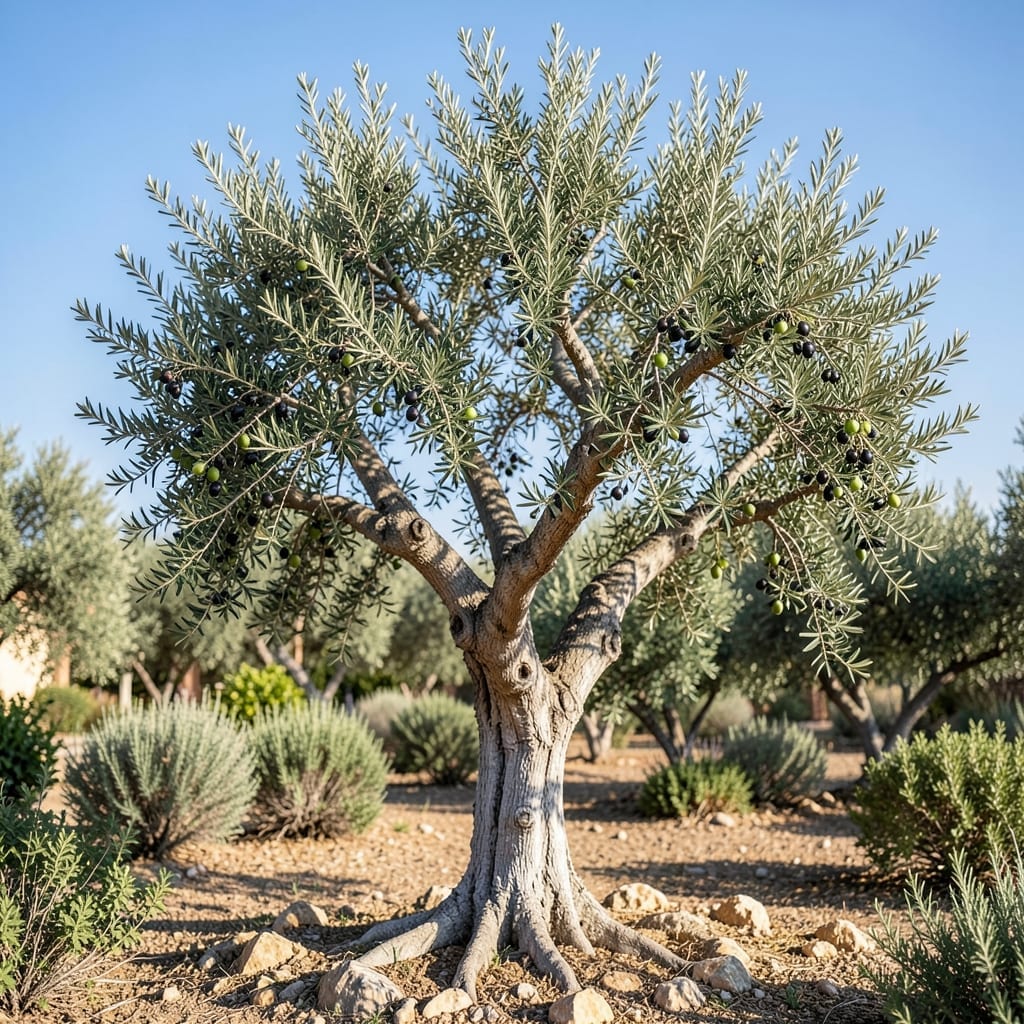
Watching an olive tree progress through its fruit stages is like witnessing nature’s slow, deliberate artistry. The 🫒 Olive Tree transforms from delicate blossoms to oil-rich harvests over 6-8 months.
Understanding these stages helps gardeners optimize care and maximize yield. Each phase demands specific attention to thrive.
Discover the key moments in this fascinating journey and learn how to nurture your tree through every step toward a bountiful harvest.
An olive tree’s fruit development is a multi-month journey that begins with spring blossoms and ends with autumn harvests. Each stage has unique care needs to ensure healthy growth.
From flowering to ripening, the tree transforms dramatically. I’ll guide you through the 5 critical phases so you can provide the best support for your olive tree.☀️
| Stage | Timeline | Key Feature |
|---|---|---|
| Blossoming | Early Spring | Delicate white flowers appear |
| Fruit Set | Late Spring | Tiny olives form after pollination |
| Green Growth | Early Summer | Olives grow rapidly in size |
| Color Change | Late Summer | Transition from green to purple |
| Full Ripeness | Fall | Olives turn deep purple or black |
The blossoming stage in early spring is when your olive tree produces fragrant white flowers. These blooms are essential for fruit production and require adequate sunlight and minimal water stress.
Next comes fruit set in late spring, where pollinated flowers develop into tiny green olives. This is a critical time to ensure your tree has enough nutrients and proper hydration.
During early summer, the green growth stage begins. Your olives will expand rapidly, so monitor for pests and diseases that can hinder development. Regular watering is key here.
The color change stage in late summer signals maturation. Olives transition from green to purple, indicating oil content is increasing. Reduce watering slightly to concentrate flavors.
Finally, full ripeness arrives in fall. Olives turn deep purple or black and are ready for harvest. At this point, minimal intervention is best—just protect from early frosts.
Each stage of olive fruit development requires specific care adjustments. By understanding these phases, you can optimize conditions for a successful harvest.🌿
Remember, consistent monitoring and adaptive care are vital. Your olive tree’s fruit stages are a testament to patience and attentive gardening.🌱
An olive tree’s fruit development follows a seasonal rhythm that spans from spring blossoms to autumn harvests. Each season brings distinct changes, requiring tailored care to support growth.
In spring, the journey begins with flowering and fruit set. By summer, olives grow rapidly, and by fall, they reach full maturation. I’ll break down what to expect each season.☀️
In spring, your olive tree produces fragrant white flowers. Pollination occurs, leading to tiny green olives forming by late spring. Ensure adequate sunlight and balanced fertilization during this phase.
Early summer marks the green growth stage, where olives expand quickly. This is the time to increase watering and monitor for pests like olive fruit fly. Keep the soil consistently moist but not soggy.
By late summer, olives begin their color change from green to purple. This signals maturation and increased oil content. Reduce watering slightly to enhance flavor concentration.
In fall, olives reach full ripeness, turning deep purple or black. Harvest when they’re firm yet slightly soft. Protect the tree from early frosts that can damage the fruit.🌿