
Beautiful Plants For Your Interior
Beautiful Plants For Your Interior
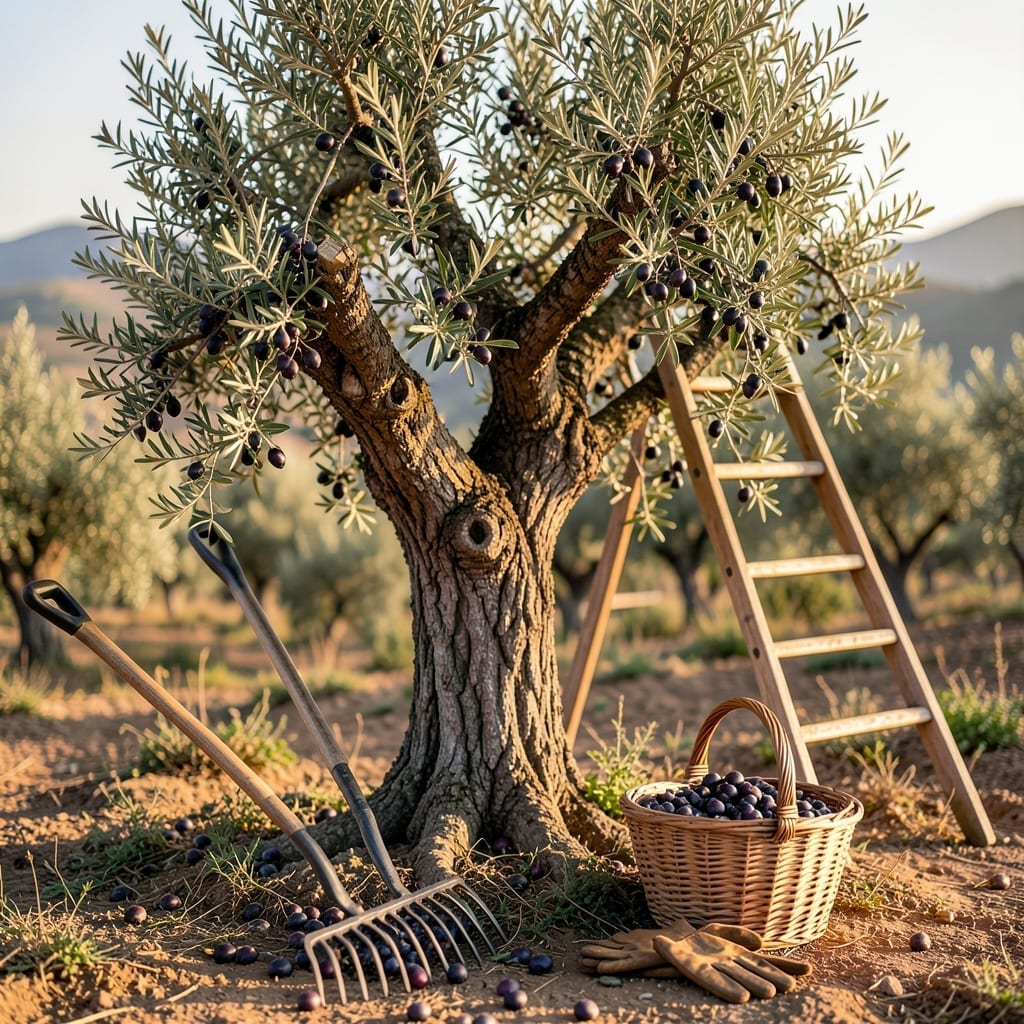
There’s a game-changer moment every olive grower waits for—the perfect window when flavor and yield peak. Miss it, and you’re left with bitter fruit or wasted effort.
I’ve seen firsthand how timing transforms a mediocre harvest into something extraordinary. For the 🫒 Olive, that sweet spot runs from late summer to early winter, but the real magic lies in the details.
Whether you’re growing in zones 8-11 or just starting out, knowing the signs of readiness is the key. Color shifts, texture changes—these subtle cues make all the difference.
Discover how to nail your harvest timing and techniques for olives that burst with flavor. Let’s break it down step by step.


Timing your olive harvest perfectly is key to achieving the best flavor and oil quality. The optimal window varies by region, olive variety, and whether you’re harvesting for oil or table use. I’ll break down the specifics to help you decide.
For oil production, olives are typically harvested when they transition from green to purple. This is when the oil content is at its peak, usually between late September and early December, depending on the climate.
| Use Case | Color Stage | Harvest Time | Key Sign |
|---|---|---|---|
| Oil | Green to purple | Late Sept – Early Dec | Peak oil content |
| Table | Black or purple | Oct – Nov | Soft texture |
| Early Harvest | Green | Aug – Sept | Bitter, low oil |
For table olives, you’ll want to wait until they’re fully black or deep purple. This usually occurs in October or November, when the olives are softer and less bitter, making them ideal for curing.
Regional differences matter. In California, the harvest often starts in October, while in Mediterranean climates, it may begin as early as September. Always check your local climate and olive variety for the best timing.
Another key indicator is fruit firmness. A ripe olive should feel slightly soft when gently squeezed. If it’s too hard, it’s not ready. If it’s mushy, you’ve waited too long and risk losing quality.
Don’t overlook the ease of detachment. A ready olive will come off the branch with a gentle twist. If you’re struggling to pick them, they’re likely not at peak ripeness yet.
For oil production, early harvesting (green stage) yields a peppery, more robust oil, while later harvesting (black stage) produces a milder, fruitier oil. Choose based on your flavor preference.
If you’re growing Manzanillo olives, they’re great for table use and should be harvested when fully black. Arbequina olives, on the other hand, are often picked earlier for oil due to their high oil content.
Monitor your trees closely as the season progresses. The window for peak harvest is often just 2-3 weeks. Missing it can mean lower quality or even lost yield.
I always recommend testing a few olives from different parts of the tree. If they meet the color, texture, and detachment criteria, it’s time to start your harvest.
I’ve found that timing your harvest is just half the battle—how you pick your olives makes all the difference. For table olives, I always use hand-picking to avoid bruising the fruit and damaging the tree.
For oil production, I prefer mechanical shakers when dealing with larger groves. They’re efficient but require care to prevent branch breakage and ensure clean fruit collection on nets.
I always sort my olives immediately after harvesting. Removing leaves and debris prevents mold and ensures a cleaner final product, whether for oil or table use.
For small-scale growers, I recommend harvesting by hand to maintain tree health and fruit integrity. It’s labor-intensive but worth it for premium quality results.
Remember, olive trees are sensitive to rough handling. Avoid excessive force when shaking branches, as this can harm next year’s fruit production and tree structure.
After harvesting, I store my olives in well-ventilated crates and process them within 24-48 hours to lock in freshness and flavor. This step is non-negotiable for the best results. ✂️