
Beautiful Plants For Your Interior
Beautiful Plants For Your Interior
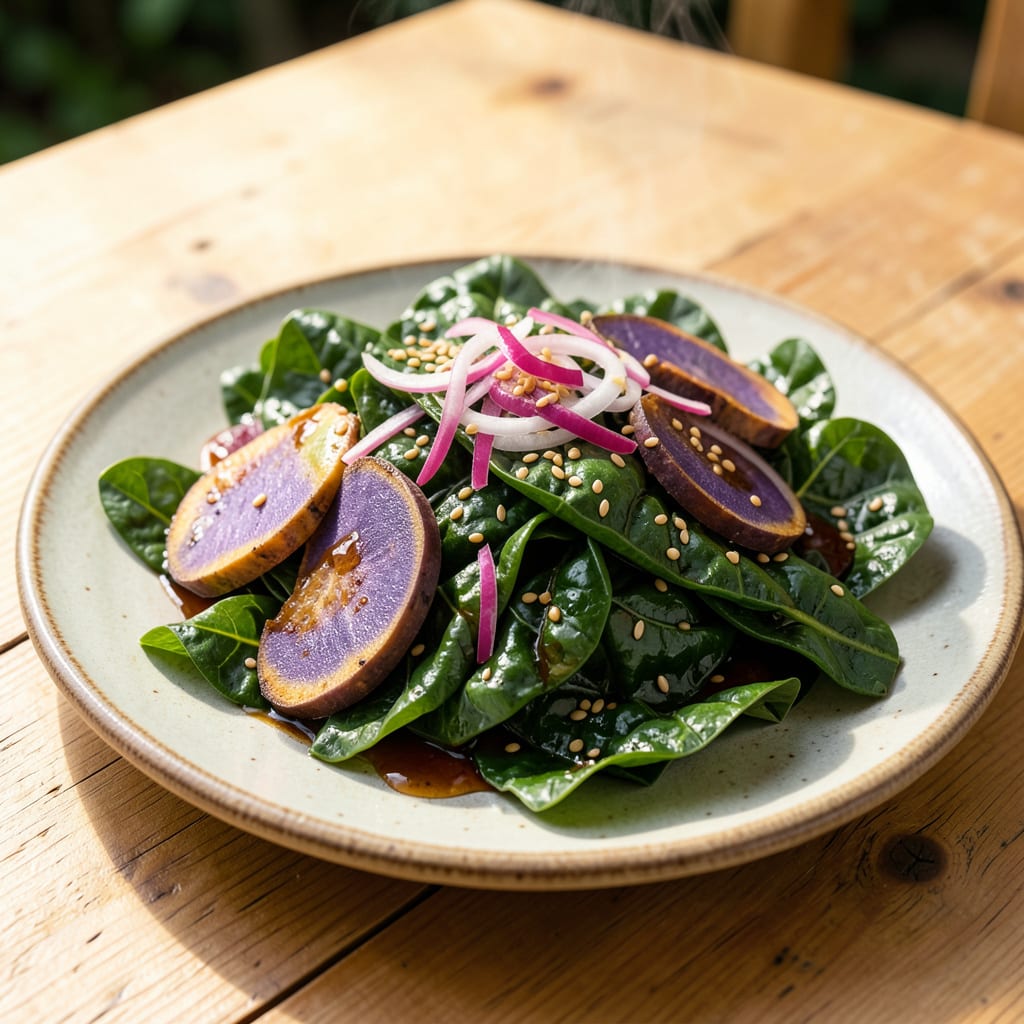
I started growing Okinawan sweet potatoes for the tubers, but the leaves stole the show. These nutrient-packed greens grow fast, taste great, and thrive with minimal effort in most climates.
You’ll harvest tender leaves in 4-6 weeks, and the plants keep producing all season. Perfect for garden beds or containers, they handle heat better than most greens and ask little in return.
📚 In This Guide
This method delivers vibrant, nutrient-packed greens with minimal effort and maximum flavor.
Start with organic Okinawan sweet potatoes—they’re free of growth inhibitors often found in conventionally grown tubers. Choose firm, unblemished potatoes with visible eyes or small sprouts. I’ve found that medium-sized potatoes (about 6-8 ounces) sprout the most reliably.
Rinse the potatoes under cool water to remove any dirt or residue. Pat them dry with a clean towel, then place them in a shallow dish with the top half exposed to light. This encourages even sprouting across the surface.
Set the dish in a warm spot with bright, indirect light. A windowsill that gets morning sun but avoids harsh afternoon rays works perfectly. Keep the room temperature between 70-75°F for the fastest results—sprouts typically appear within 2-3 weeks.
Check daily and mist the exposed portion lightly with water every 2-3 days to maintain humidity. You’ll know it’s working when you see small, green shoots emerging from the eyes. If the potatoes start to shrivel, they need more moisture or a slightly cooler spot.
Once the sprouts reach 3-4 inches tall, it’s time to plant. Fill a 12-inch diameter pot with well-draining potting mix, leaving about 1 inch of space at the top. I like to use a mix with added perlite to ensure good drainage.
Lay the potato horizontally on the soil, covering it with about 1 inch of mix. The sprouts should remain above the soil line. Water thoroughly until you see it draining from the bottom—this helps settle the soil around the potato.
Place the pot in a location with 6-8 hours of sunlight daily. Water when the top inch of soil feels dry to the touch, usually every 3-4 days depending on your climate. Overwatering leads to yellowing leaves, while underwatering causes wilting.
Begin harvesting leaves once the vines reach 8-10 inches long, typically 4-6 weeks after planting. Use clean scissors to snip the outermost leaves, leaving the inner growth to continue. Regular harvesting encourages bushier growth and a steady supply of tender greens.
Real talk: if you notice the leaves turning yellow or brown at the edges, your plant might need a bit more water or a break from direct sun.
Small adjustments make a big difference when growing these greens at home.
Selection Tip: Confession: I skipped the organic requirement once and waited forever for sprouts. Organic Okinawan sweet potatoes are free of growth inhibitors, so they sprout reliably. Stick with medium-sized potatoes (about 6-8 ounces) for the most consistent results.
Environment Matters: That 70-75°F sweet spot is non-negotiable. Any cooler and sprouting slows dramatically. I keep mine on a kitchen windowsill with morning sun and rotate the dish daily so the top half gets even light exposure.
Timing Secret: Don’t rush the sprouting phase—those 2-3 weeks are when the magic happens. Mist every 2-3 days to maintain humidity, and you’ll see green shoots emerging from the eyes sooner rather than later. If the potatoes start to shrivel, they’re begging for more moisture.
Growth Hack: Once your sprouts hit 3-4 inches tall, transfer to a 12-inch pot with well-draining mix. I add perlite to prevent waterlogging. The 6-8 hours of daily sunlight after planting is what transforms those sprouts into lush vines ready for harvesting in 4-6 weeks.
Yes! The tender leaves can be eaten raw in salads, offering a mild, spinach-like flavor. Just ensure they’re young and pest-free for the best taste and texture.
Sauté them lightly in olive oil with garlic for a quick, nutritious side dish. They also work well in stir-fries, soups, or steamed like spinach. Cooking takes just 2-3 minutes!
Absolutely! They’re packed with vitamins A, C, and K, plus minerals like iron and calcium. These greens are a powerhouse for immune support and bone health.
Yellowing leaves may signal overwatering, poor drainage, or nutrient deficiencies. Check soil moisture and adjust care—healthy plants should have vibrant green foliage.
