
Beautiful Plants For Your Interior
Beautiful Plants For Your Interior
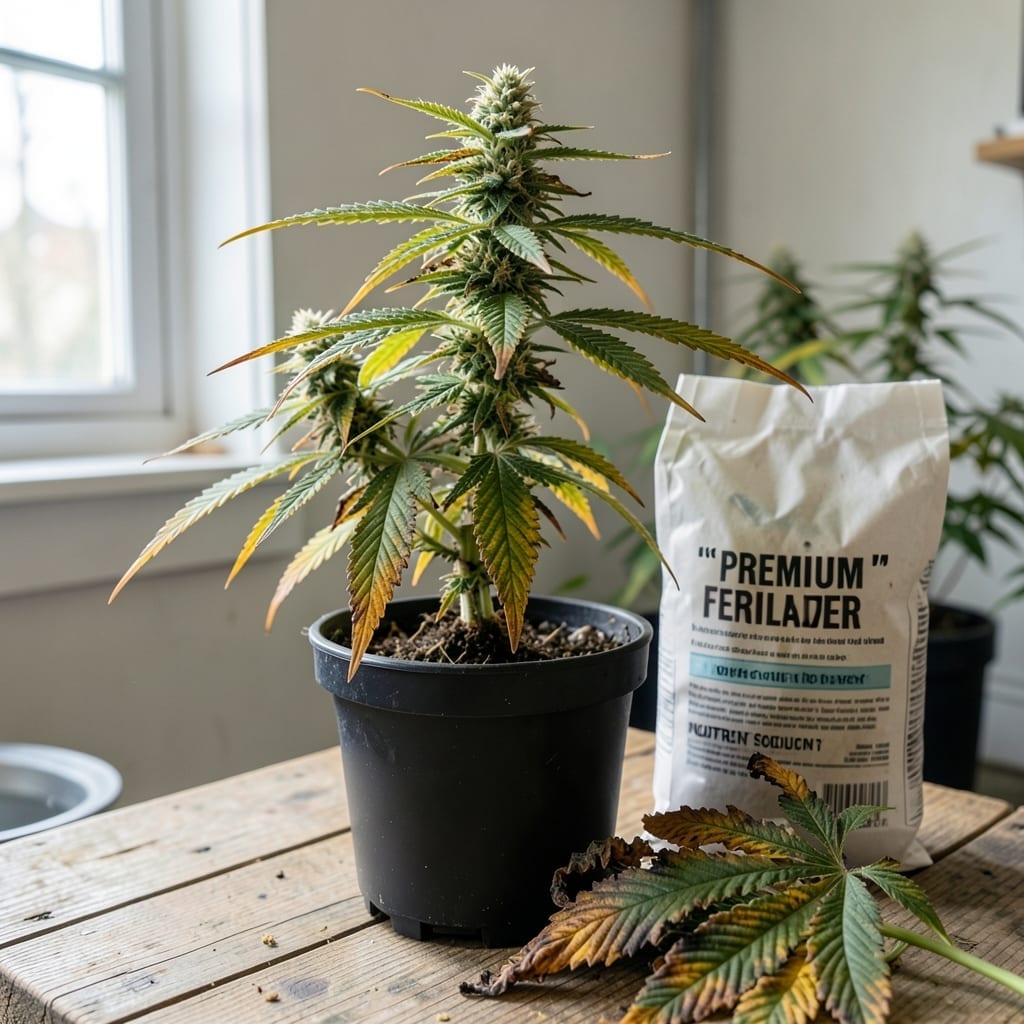
Brown leaf tips and crispy edges are your plant’s SOS signal. I’ve seen nutrient burn turn healthy growth into a sad, scorched mess overnight—usually after getting a little too enthusiastic with the feed.
The fix starts with flushing the soil to wash out excess nutrients, then backing off the fertilizer for a while. Most plants bounce back within 2-3 weeks if you act fast and adjust your routine.
Prevention is simpler than treatment: always follow label rates, and check soil moisture before adding more. Overfeeding is just as damaging as underwatering, and your plants will thank you for the balance.
Works for container plants, raised beds, or any garden where nutrients can build up. The key is consistency, not intensity.
Nutrient burn in cannabis plants occurs when the roots absorb more nutrients than they can process, leading to a toxic buildup. This often happens due to over-fertilization, but other factors can also trigger it. Below are the primary causes, broken down for clarity and actionability.
Too much of a good thing can harm your plants. When growers apply excessive nitrogen (N), phosphorus (P), or potassium (K), the plant’s leaves develop brown or yellow tips—a classic sign of nute burn. Synthetic nutrients are particularly potent, so even slight overdoses can cause rapid damage. Always measure your nutrient solutions precisely and follow the manufacturer’s guidelines.
Cannabis thrives in a pH range of 5.5–6.5 for soil and 5.0–6.0 for hydroponics. If the pH drifts outside these ranges, the plant struggles to absorb nutrients efficiently, leading to a buildup in the medium. This can mimic nutrient burn symptoms, even if you’re not overfeeding. Regularly test your pH and adjust using pH-up or pH-down solutions.
Nutrient salts from fertilizers can build up in the soil or growing medium over time, especially if you’re not flushing the system. This creates a high electrical conductivity (EC) environment, stressing the roots and causing burns. Flushing with plain water every few weeks helps remove excess salts.
Using the wrong nutrient mix for your plant’s growth stage can also lead to burn. For example, high-nitrogen fertilizers during flowering can overwhelm the plant, as it requires more phosphorus and potassium at this stage. Adjust your nutrient ratios to match the plant’s lifecycle—vegetative, pre-flower, or bloom.
High temperatures increase the plant’s metabolic rate, causing it to absorb nutrients faster than it can use them. This accelerates the onset of nutrient burn. Keep your grow space at optimal temps (70–85°F during lights-on, 58–70°F during lights-off) to prevent this issue.
When your weed plant shows signs of nutrient burn, quick and precise action is key to recovery. Below are targeted solutions for the most common causes, along with prevention tips to keep your plants healthy long-term.
If excess nutrients are the culprit, flush the growing medium immediately with pH-balanced water (6.0–6.5). Use 2–3 times the pot’s volume to wash out built-up salts. For soil, let it dry slightly between waterings afterward. Prevention tip: 💡 Always follow the nutrient manufacturer’s recommended doses and adjust for plant size.
High temperatures can intensify nutrient uptake, leading to burn. Move plants to a cooler spot (70–85°F) or improve ventilation. Use shade cloths if growing outdoors. Prevention tip: ✨ Monitor your grow space with a thermometer/hygrometer to maintain stable conditions.
Test your water’s pH—if it’s too high or low, nutrients can’t be absorbed properly, causing toxicity. Use pH-up or pH-down solutions to stabilize between 6.0–7.0 for soil or 5.5–6.5 for hydroponics. Prevention tip: 🎯 Check pH weekly and after adding new nutrients.
If lockout is suspected, switch to a mild nutrient solution (half-strength) or plain water for a week. Add a root booster (like mycorrhizae) to help recovery. Prevention tip: 🌱 Avoid mixing too many nutrient brands, as this can cause imbalances.
With these fixes, your plant should show improvement in 1–2 weeks. Trim severely damaged leaves to redirect energy, but avoid over-pruning stressed plants.
Look for brown or yellow leaf tips that feel crispy to the touch. These often start at the edges and work inward, especially on older leaves first.
Yes! Flush the soil with pH-balanced water and pause fertilizers for 1-2 weeks. Most plants recover fully with proper care.
With treatment, new growth usually appears healthy within 7-14 days. Severely damaged leaves won’t heal but can be trimmed.
Only trim leaves that are over 50% damaged. Removing too many stresses the plant further. Let minor cases recover naturally.