
Beautiful Plants For Your Interior
Beautiful Plants For Your Interior
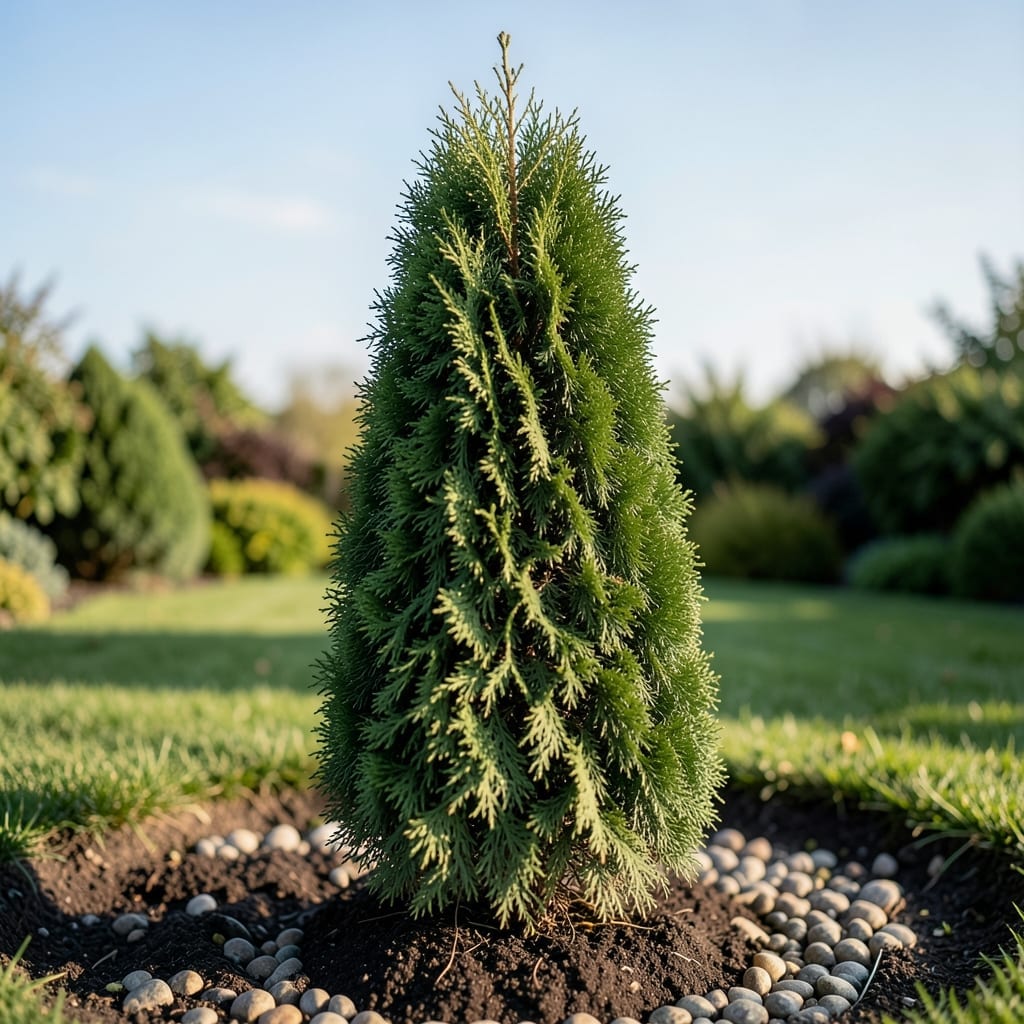
I love how the North Pole Arborvitae 🌳 transforms landscapes with its sleek, columnar silhouette. But here’s what many overlook: its growth pace dictates your design timeline.
This evergreen isn’t just about looks—it’s a long-term investment for your garden. Knowing how fast it grows helps you plan spacing and visual impact with precision.
Let me walk you through what to expect year by year, and how to give it the best start in zones 3-7. The results might surprise you.


I’ve found that North Pole Arborvitae typically grows 6-12 inches per year under ideal conditions. This steady pace makes it a reliable choice for vertical accents in landscapes.
In its first few years, you’ll notice slower growth as it establishes roots. Once settled, it picks up speed, especially with proper care and ideal light. 🌳
| Stage | Height | Notes |
|---|---|---|
| Year 1 | 1-2 ft | Establishing roots |
| Year 2 | 3-4 ft | Accelerating growth |
| Year 3 | 5-6 ft | Visible height increase |
| Mature | 10-15 ft | Full height in 10-15 years |
For optimal growth, plant in well-draining soil with full sun to partial shade. This evergreen thrives in USDA zones 3-7, where it can reach its mature height efficiently.
The narrow columnar shape stays tight without pruning, but I recommend light trimming in early spring to maintain its form. Avoid heavy pruning, as it can stunt growth. ✂️
Soil quality plays a big role in its development. I always amend planting holes with compost for better root establishment. A balanced fertilizer in spring can also boost growth rates.
Watering is another key factor. While drought-tolerant once established, consistent deep watering during the first year helps it grow faster. Aim for 1 inch per week, adjusting for rainfall. 💧
I’ve noticed that wind protection can make a difference in colder zones. Planting near a fence or building can reduce winter stress and encourage steady growth throughout the year.
In my experience, mulching around the base retains moisture and regulates soil temperature, both of which support healthier growth. Use 2-3 inches of organic mulch, keeping it away from the trunk.
Finally, monitor for pests like spider mites or bagworms, which can slow growth. Regular inspections and early treatment keep your Arborvitae on track for its annual height increase. 🌿
To get the most from your North Pole Arborvitae, I recommend starting with the right location. Choose a spot with full sun to partial shade for optimal growth. 🌳
Soil preparation is key. I always amend the planting area with compost to improve drainage and fertility. This gives your Arborvitae a strong foundation for faster growth.
Watering consistency is crucial, especially in the first year. I suggest deep watering once weekly, providing about 1 inch of water including rainfall. 💧
For fertilization, I apply a balanced 10-10-10 fertilizer in early spring to promote new growth. A light feeding in summer helps maintain health, but avoid over-fertilizing as it can damage the roots.
Pruning needs are minimal with this variety, but I do a light trim in early spring to shape it. Never remove more than 1/3 of new growth in a single pruning session. ✂️
Finally, monitor for common pests like spider mites. Regular inspections and early treatment with horticultural oil can prevent growth slowdowns. A healthy Arborvitae will maintain its 6-12 inch annual growth rate. 🌿