
Beautiful Plants For Your Interior
Beautiful Plants For Your Interior
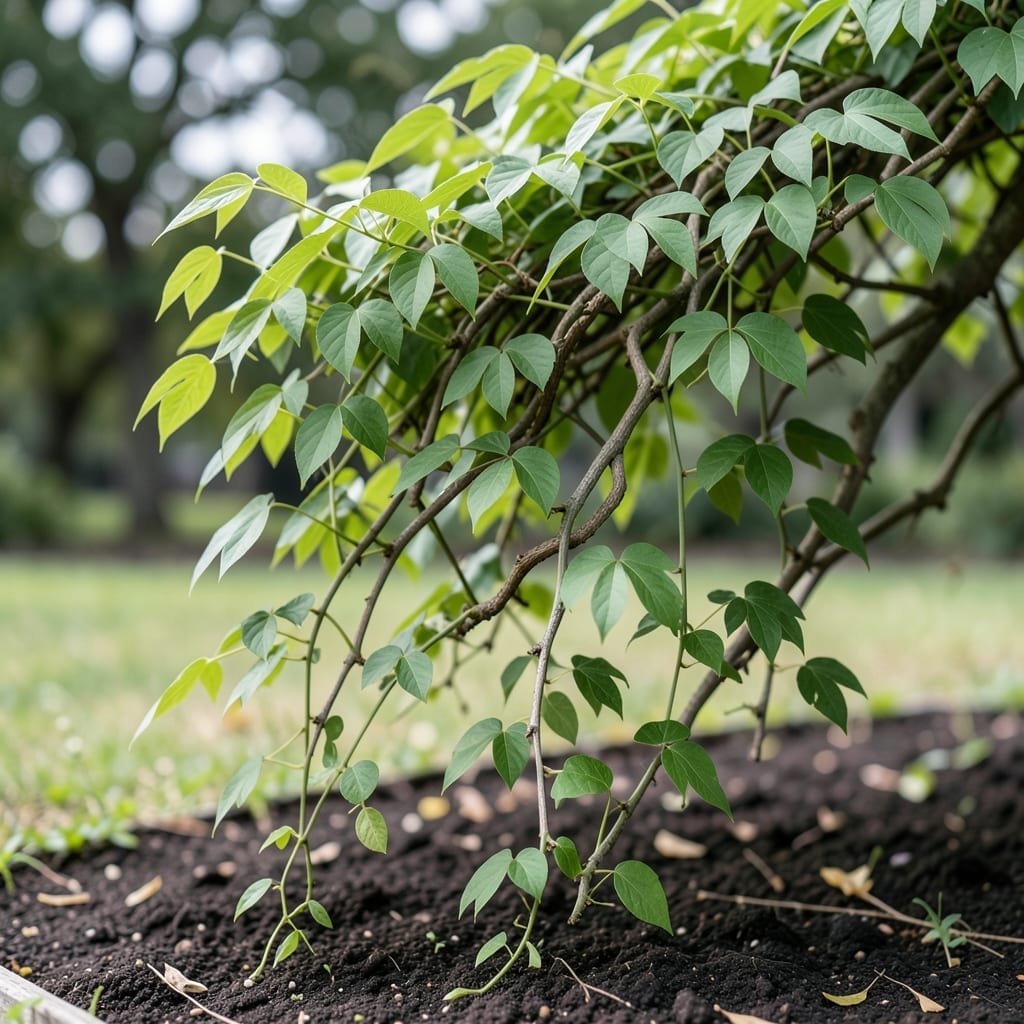
My wisteria vine stretched 20 feet with zero flowers for three years. Turns out, I was loving it to death with the wrong care.
Most non-blooming wisteria suffers from one of three issues: it’s too young, it’s been pruned wrong, or it’s getting the wrong food. The fix isn’t complicated once you know what your vine actually needs.
With the right pruning schedule and a simple soil adjustment, you’ll see those fragrant purple clusters appear next spring. I went from zero blooms to dozens in one season.
Works for both new and established vines. Here’s how to diagnose and fix the problem for good.
Understanding why your wisteria isn’t blooming starts with identifying the root causes. Here are the most common reasons, explained with actionable insights:
Wisteria often takes 3 to 5 years (or longer for seed-grown plants) to mature enough to produce flowers. If your vine is young, patience is key. Focus on healthy growth by providing full sun (6+ hours daily) and well-draining soil. Avoid heavy pruning, which can delay maturity further.
Wisteria blooms on old wood (last year’s growth). Pruning at the wrong time—like late summer or fall—can remove flower buds. Solution: Prune immediately after flowering to shape the plant, then do a light summer pruning (July/August) to control growth without sacrificing next year’s blooms.
Excess nitrogen promotes leafy growth at the expense of flowers. Wisteria thrives in moderately fertile soil. If you fertilize, use a low-nitrogen, high-phosphorus formula (e.g., 5-10-10) in early spring. Skip fertilizer if your soil is already rich—test it to confirm.
Wisteria requires full sun to bloom. Even partial shade (4–6 hours of sun) can reduce or eliminate flowers. If your plant is in a shady spot, consider transplanting it to a sunnier location. For container-grown wisteria, move the pot to maximize sunlight exposure.
Extreme moisture fluctuations can stress the plant, diverting energy from blooming. Keep soil consistently moist (but not waterlogged) during the growing season. Mulch around the base to retain moisture, and water deeply during dry spells.
Flower buds are sensitive to late spring frosts or sudden temperature drops. If your region has unpredictable weather, plant wisteria in a sheltered location (e.g., against a south-facing wall) or use frost cloth to protect buds during cold snaps.
If your wisteria isn’t flowering, don’t give up! With a few targeted adjustments, you can coax those stunning blooms back. Below are practical solutions for the most common causes, paired with prevention tips to keep your vine thriving year after year.
Excess nitrogen promotes leafy growth at the expense of flowers. Switch to a low-nitrogen, high-phosphorus fertilizer (like 5-10-10) in early spring. Apply it once, then hold off—over-fertilizing can backfire. Prevention tip: Test your soil annually to monitor nutrient levels. 💡
Wisteria blooms on old wood, so pruning at the wrong time removes flower buds. Prune in late winter (before new growth starts) to shape the vine and remove dead wood. Then, trim again in summer to control size and encourage bud formation. Prevention tip: Mark your calendar for these two pruning windows to stay consistent. ✨
Wisteria often takes 3–5 years to bloom from seed or cutting. If yours is still a teenager, give it time! Focus on strong, healthy growth by watering deeply during dry spells and providing a sturdy trellis. Prevention tip: Buy a mature, grafted plant from a nursery if you want faster results. 🎯
Wisteria needs full sun (6+ hours daily) to flower. If it’s in shade, relocate it or trim back nearby trees. South- or west-facing spots are ideal. Prevention tip: Observe sunlight patterns in your garden before planting. 🌞
Too much water can stress the plant and prevent blooming. Water deeply but infrequently—once a week during dry periods is plenty for established vines. Prevention tip: Mulch the base to retain moisture without waterlogging. 💧
With these fixes, your wisteria should reward you with gorgeous, fragrant blooms in no time!
Seed-grown wisteria can take 5-7 years to bloom. Nursery-purchased grafted plants typically flower within 2-3 years with proper care.
No, autumn pruning removes next year’s flower buds. Stick to late winter and summer pruning only to avoid losing blooms.
Use a low-nitrogen, high-phosphorus formula like 5-10-10 in early spring. Skip fertilizer if your soil is already rich.
Yes, wisteria needs 6+ hours of daily sun. Relocate or trim nearby trees to increase sunlight exposure.