
Beautiful Plants For Your Interior
Beautiful Plants For Your Interior
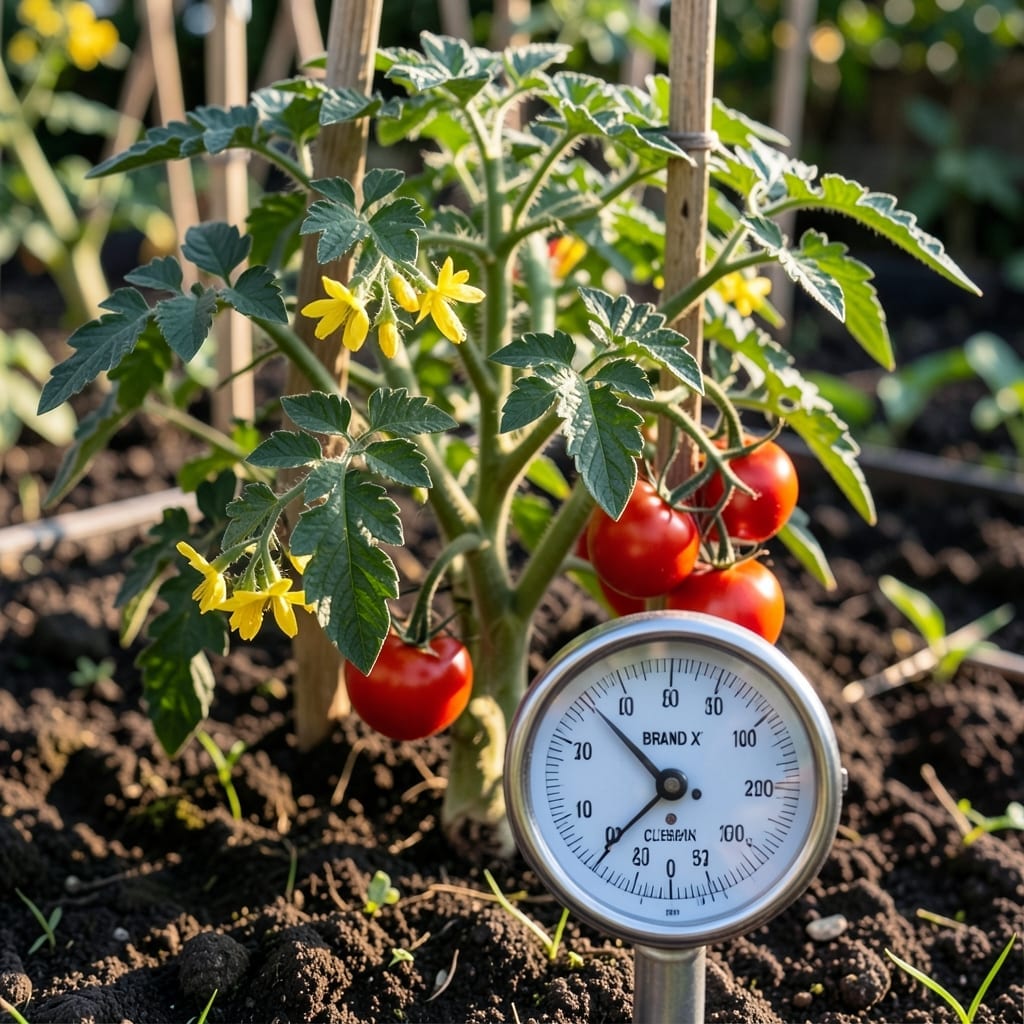
Tomato plants are sensitive to temperature swings, and nighttime lows can make or break your harvest. The 🍅 thrives in a delicate balance, and even small dips can trigger blossom drop before you see a single fruit.
I learned this the hard way when my first crop failed despite perfect daytime conditions. The real game-changer was understanding how 50°F becomes the danger zone for these warm-season favorites.
Whether you’re in zone 6 or growing in containers, nighttime temps demand your attention. One cold snap can undo weeks of careful tending.
Let me show you exactly how to protect your plants and keep them productive. The difference between a mediocre harvest and a bumper crop often comes down to these overnight hours.
If you’ve ever wondered why your tomato plants drop blossoms or struggle to set fruit, nighttime temperatures might be the culprit. Tomatoes thrive when nights stay between 55-70°F, which supports steady growth and fruit development.
When temperatures dip below 50°F, tomato plants experience cold stress, often leading to blossom drop. Similarly, nights above 85°F can disrupt pollen viability, reducing your harvest potential.
| Temperature Range | Impact on Tomato Plants |
|---|---|
| 55-70°F | Ideal for growth and fruit set |
| Below 50°F | Triggers blossom drop and slows growth |
| Above 85°F | Reduces pollen viability and fruit set |
In my experience, consistent nighttime warmth is key for healthy tomatoes. Even a single cold night can set back your plants for days, so monitoring forecasts is crucial.
For gardeners in cooler climates, using row covers or cloches can help maintain warmth. In hot regions, shade cloth at night can prevent overheating and keep temperatures stable.
Microclimates matter too. If your garden has low-lying areas, they may trap cold air. Planting tomatoes on slightly elevated mounds can improve airflow and warmth.
Container-grown tomatoes offer more control. You can move pots indoors or to warmer spots when cold snaps are forecasted, giving your plants a better chance to thrive.
I always recommend checking your local frost dates and using a soil thermometer to ensure conditions are right. Tomatoes planted too early in cold soil often struggle to recover.
Remember, variety selection plays a role. Some cold-tolerant tomato varieties, like ‘Stupice’ or ‘Siberian’, handle cooler nights better than heat-loving types.
By paying attention to nighttime temperature trends and making small adjustments, you can create an environment where your tomatoes flourish from seedling to harvest 🌱
When nighttime temperatures dip below 50°F, your tomato plants face serious risks like blossom drop and stunted growth. I’ve seen even a single cold night set back progress by weeks. Gardeners in cooler climates need to act fast when forecasts predict a chill.
Protecting tomatoes from cold doesn’t require fancy equipment. Simple tools like row covers, cloches, or even old blankets can save your crop. The key is timing—cover plants before sunset to trap daytime heat.
For young seedlings, even 55°F nights can be too cold. I always keep a thermometer in my garden to monitor conditions. If temps drop below 50°F, it’s time to intervene immediately.
Mulching is one of my go-to methods. A 2-3 inch layer of straw or wood chips helps retain soil warmth. This also prevents moisture loss, which is crucial during temperature swings.
If you’re growing tomatoes in containers, move them to a warmer location like a porch or greenhouse. This gives you more control over their environment, especially during unexpected cold snaps.
Finally, avoid watering at night when cold is forecasted. Wet foliage combined with low temps can lead to fungal diseases. I water in the morning to give plants time to dry before evening.
With these strategies, you can keep your tomato plants thriving even when the nights get chilly 🌱