
Beautiful Plants For Your Interior
Beautiful Plants For Your Interior
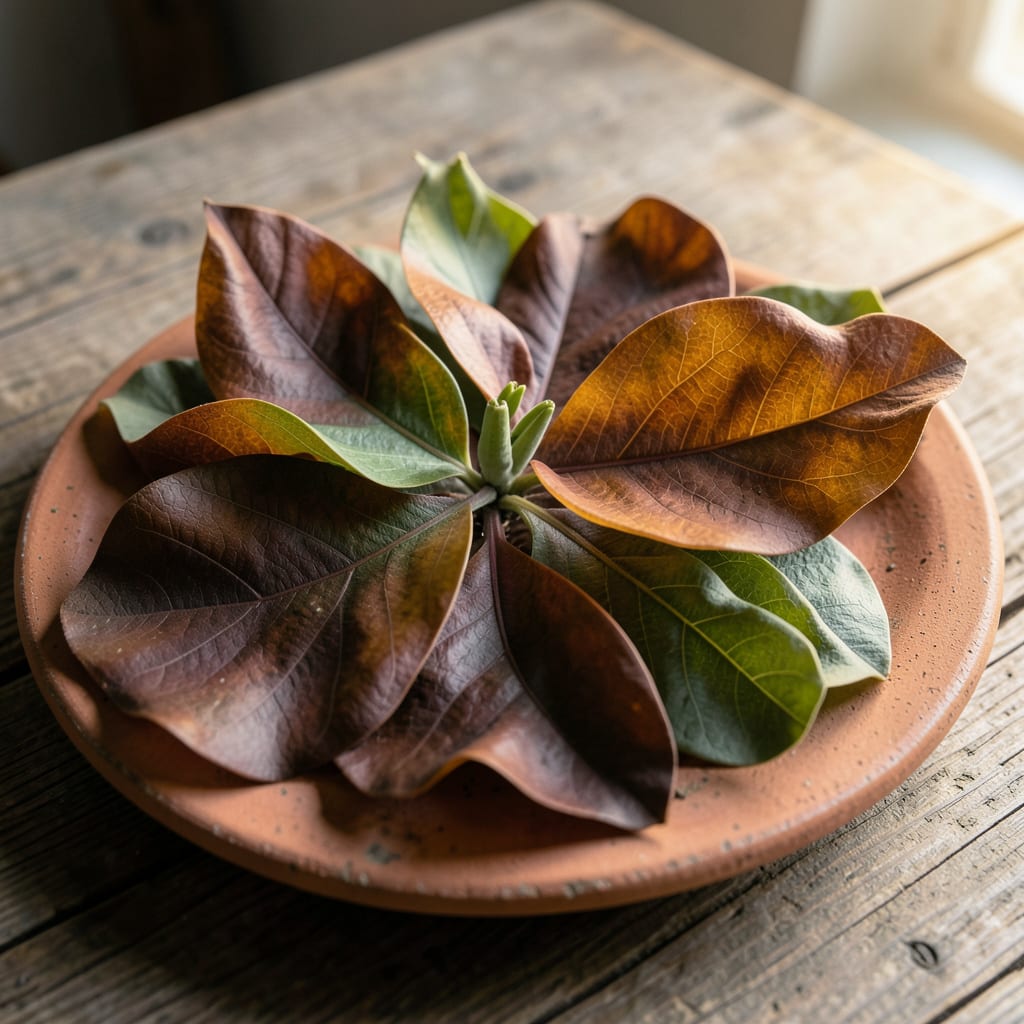
Brown leaves on your night blooming cereus aren’t a death sentence. I’ve nursed mine back from the brink more times than I care to admit.
The usual suspects are overwatering, dry air, or a sudden temperature drop. Each leaves a distinct pattern—soft brown means too much water, crisp edges scream thirst, and yellowing often signals a pest problem.
Fix it with adjusted watering, a humidity tray, or a closer look at the roots. Most plants bounce back within 2-3 weeks once conditions improve.
Works for established plants and new cuttings alike. Here’s how to play detective with your cereus.
The browning of leaves in your night-blooming cereus (Selenicereus grandiflorus or related species) is almost always a stress response. Below are the most common causes, explained with actionable insights.
These tropical cacti thrive in stable, warm conditions (65–80°F). Sudden exposure to cold drafts, direct harsh sunlight, or temperatures below 50°F can trigger leaf scorch. Browning often starts at the tips or edges, signaling photooxidative damage from UV overload or chilling injury at a cellular level.
Night-blooming cereus are drought-tolerant but not drought-proof. Overwatering leads to root rot, which blocks nutrient uptake—leaves turn brown and mushy. Conversely, chronic underwatering causes desiccation: leaves dry out, crisp up, and brown from the outside in. Check soil moisture 1–2 inches deep; it should be dry before watering.
As epiphytic cacti, they absorb moisture from the air. In dry indoor environments (below 40% humidity), leaves lose water faster than they can replenish it, leading to xerophytic stress. Brown, papery edges are a classic sign. Grouping plants or using a humidifier can restore balance.
Nitrogen or magnesium deficiency can cause interveinal chlorosis (yellowing between veins) that progresses to brown necrosis. Conversely, salt burn from over-fertilization (especially with high-nitrogen blends) can scorch leaf margins. Flush the soil with water to remove excess salts.
If your night blooming cereus leaves are turning brown, don’t panic—most causes are fixable with a few adjustments. Below are targeted solutions for each common issue, plus prevention tips to keep your plant thriving.
If the soil is bone-dry, give your cereus a deep watering until water drains from the bottom. Let the top 1-2 inches of soil dry out between waterings. Prevention tip: Use a moisture meter or the finger test to avoid guesswork. Stick your finger in the soil—if it feels dry, it’s time to water.
Root rot from soggy soil is a common culprit. Stop watering immediately and repot the plant in fresh, well-draining cactus/succulent mix. Trim any black, mushy roots before repotting. Prevention tip: Use a pot with drainage holes and avoid saucers that trap water.
Brown, crispy leaves often mean sunburn. Move your cereus to a spot with bright, indirect light or filtered sunlight, especially during peak afternoon hours. Prevention tip: Gradually acclimate the plant to brighter light over a week to avoid shock.
Extreme heat or cold drafts can cause browning. Keep your plant in a stable environment between 60–85°F (15–29°C). Avoid placing it near vents, heaters, or drafty windows. Prevention tip: Use a thermometer to monitor room temperature if browning persists.
Inspect leaves for spider mites or mealybugs. Wipe them off with a damp cloth or spray with neem oil solution (1 tsp oil + 1L water + a few drops of dish soap). Repeat every 5–7 days until pests are gone. Prevention tip: Regularly mist leaves to deter pests and keep humidity moderate.
Use a balanced, water-soluble fertilizer (10-10-10) diluted to half strength. Feed every 4–6 weeks during the growing season (spring to fall). Prevention tip: Flush the soil with water every few months to prevent salt buildup from fertilizers.
With these fixes, your night blooming cereus should bounce back. Stay consistent, and your plant will reward you with lush, green leaves—and maybe even a stunning nighttime bloom! 🌿
Water when the top 1-2 inches of soil are dry. In warm weather, this may mean every 7-10 days, but always check first. Overwatering is the leading cause of brown leaves.
Bright, indirect light is ideal. Direct afternoon sun can scorch leaves, while too little light causes weak growth. East-facing windows work well for most homes.
No, once leaves brown they won’t recover. Trim them off cleanly with sterilized scissors. Focus on fixing the underlying issue to prevent new browning.
Tip browning usually signals low humidity or salt buildup from fertilizers. Mist leaves weekly or use a pebble tray. Flush soil monthly to remove excess salts.
