
Beautiful Plants For Your Interior
Beautiful Plants For Your Interior
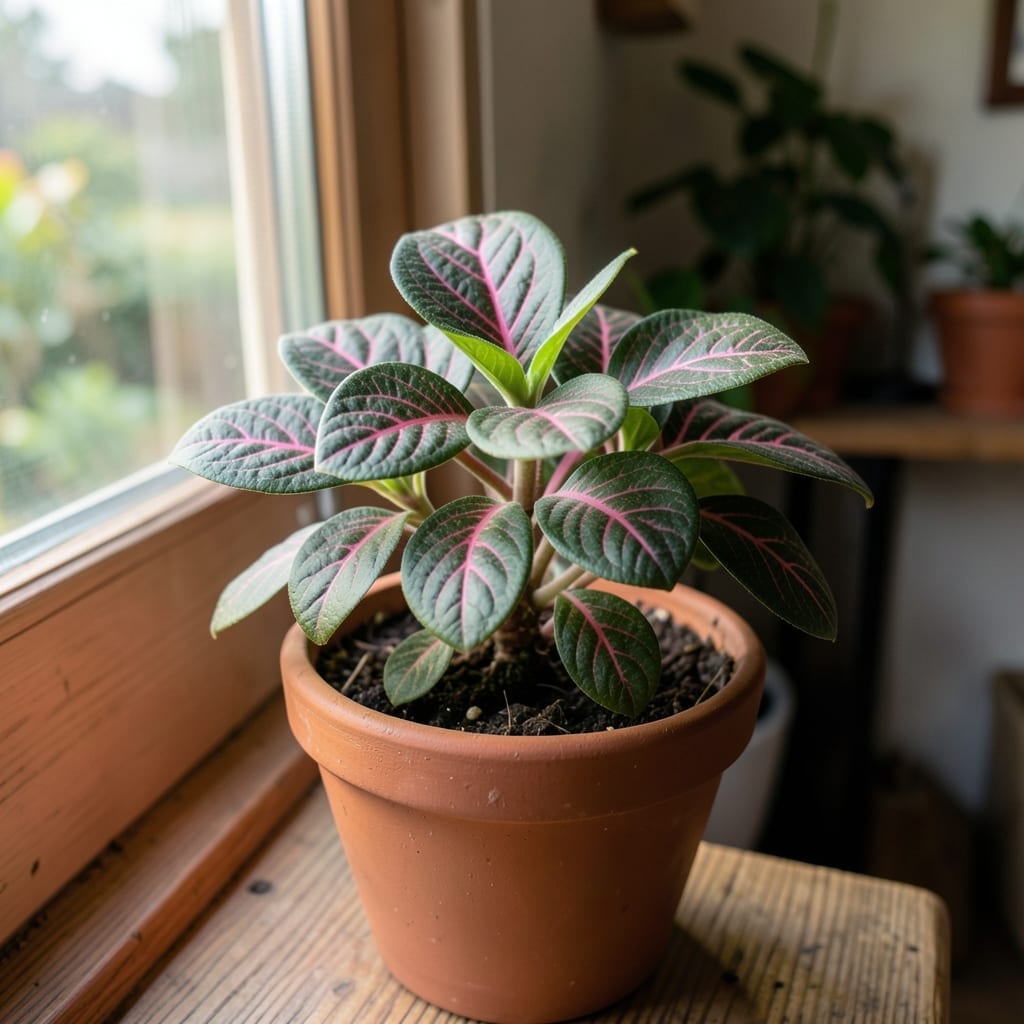
Your nerve plant was perky yesterday, today it looks like it’s napping. I’ve been there—watching those vibrant leaves suddenly droop is frustrating, but the fix is often simpler than you think.
Usually, it’s about water or humidity. Either the soil’s too dry, too soggy, or the air’s as parched as a summer sidewalk. These plants are drama queens about their environment, but they bounce back fast once conditions improve.
Check the soil first—if it’s bone-dry 1-2 inches down, water lightly. If it’s swampy, let it dry out. A pebble tray with water underneath boosts humidity without overwatering.
Most plants recover within 24-48 hours of the right care. Here’s how to keep it from happening again.
Your nerve plant (Fittonia) may droop due to several stress factors, each disrupting its delicate balance. Here’s a breakdown of the most common causes and the science behind them:
Underwatering: Nerve plants thrive in consistently moist soil. When the soil dries out, the plant’s roots can’t absorb enough water, leading to turgor loss—where cells lose pressure, causing leaves to wilt. This is the plant’s survival mechanism to reduce water loss.
Overwatering: Conversely, soggy soil suffocates the roots, preventing oxygen uptake. This triggers root rot, where fungi like Phytophthora or Pythium attack the roots, halting water and nutrient transport to the leaves. The result? A limp, drooping plant.
Nerve plants are tropical natives, preferring 60–80°F (15–27°C) and 50–70% humidity. Exposure to cold drafts (below 50°F/10°C) or dry air (common with indoor heating) causes osmotic stress. The plant loses moisture faster than it can replenish, leading to cellular collapse in the leaves.
Soil that doesn’t drain well (e.g., heavy clay mixes) traps excess water, while compacted soil restricts root growth. Both scenarios starve roots of oxygen, leading to hypoxia (oxygen deficiency). Without oxygen, roots can’t perform aerobic respiration, which is vital for energy production. Weak roots = weak leaves.
Too much direct sunlight scorches the delicate foliage, causing photoinhibition—where the plant’s photosynthesis machinery overloads and shuts down. Too little light weakens the plant, as it can’t produce enough sugars (via photosynthesis) to sustain growth. In both cases, drooping is a sign of energy deficit.
Don’t panic—your nerve plant can bounce back with the right care. Below are targeted fixes for common causes of drooping, plus prevention tips to keep it thriving.
If the soil feels dry, submerge the pot in room-temperature water for 10–15 minutes until bubbles stop rising. Let it drain completely afterward. Prevention: Water when the top inch of soil is dry, but don’t let it sit bone-dry for long. Use a moisture meter for precision. 💡
Stop watering immediately and move the plant to a bright, airy spot. Remove it from the pot, trim any black or mushy roots, and repot in fresh, well-draining soil. Prevention: Always use pots with drainage holes and empty the saucer after watering. ✨
Move your nerve plant to a spot with bright, indirect light (east- or north-facing windows are ideal). Rotate the pot weekly for even growth. Prevention: Avoid deep shade; supplement with a grow light if natural light is scarce. 🎯
Keep the plant in a room between 60–75°F (15–24°C) and away from drafts, vents, or cold windows. Mist the leaves if the air is dry. Prevention: Avoid sudden temperature swings—nerve plants hate surprises! 🌡️
Use a balanced, diluted liquid fertilizer (half-strength) every 4–6 weeks during spring and summer. Flush the soil with water every few months to prevent salt buildup. Prevention: Repot annually with fresh soil to replenish nutrients. 💪
With quick action and consistent care, your nerve plant’s leaves will perk up in no time!
With proper care, most nerve plants perk up within 24-48 hours. If the issue was minor like dry soil, you may see improvement sooner. Severe cases like root rot may take a few extra days.
Yes, if the stems are still green and pliable. Trim damaged roots or leaves, adjust watering, and provide stable conditions. Even nearly flat plants can bounce back with consistent moisture and humidity.
This usually signals overwatering or poor drainage. Check for soggy soil or black/mushy roots. Move to a well-ventilated area and let the soil dry out before watering again.
Misting helps temporarily, but a pebble tray with water or humidifier provides steady moisture. Aim for 50-70% humidity for best results. Daily misting can work if done consistently.