
Beautiful Plants For Your Interior
Beautiful Plants For Your Interior
Peony season should be about lush blooms, not battling aphids or powdery mildew. I learned the hard way that chemical sprays often do more harm than good—until I discovered how neem oil protects these showstopping plants without harsh side effects. The difference was immediate: healthier foliage, fewer pests, and flowers that lasted weeks longer than […]
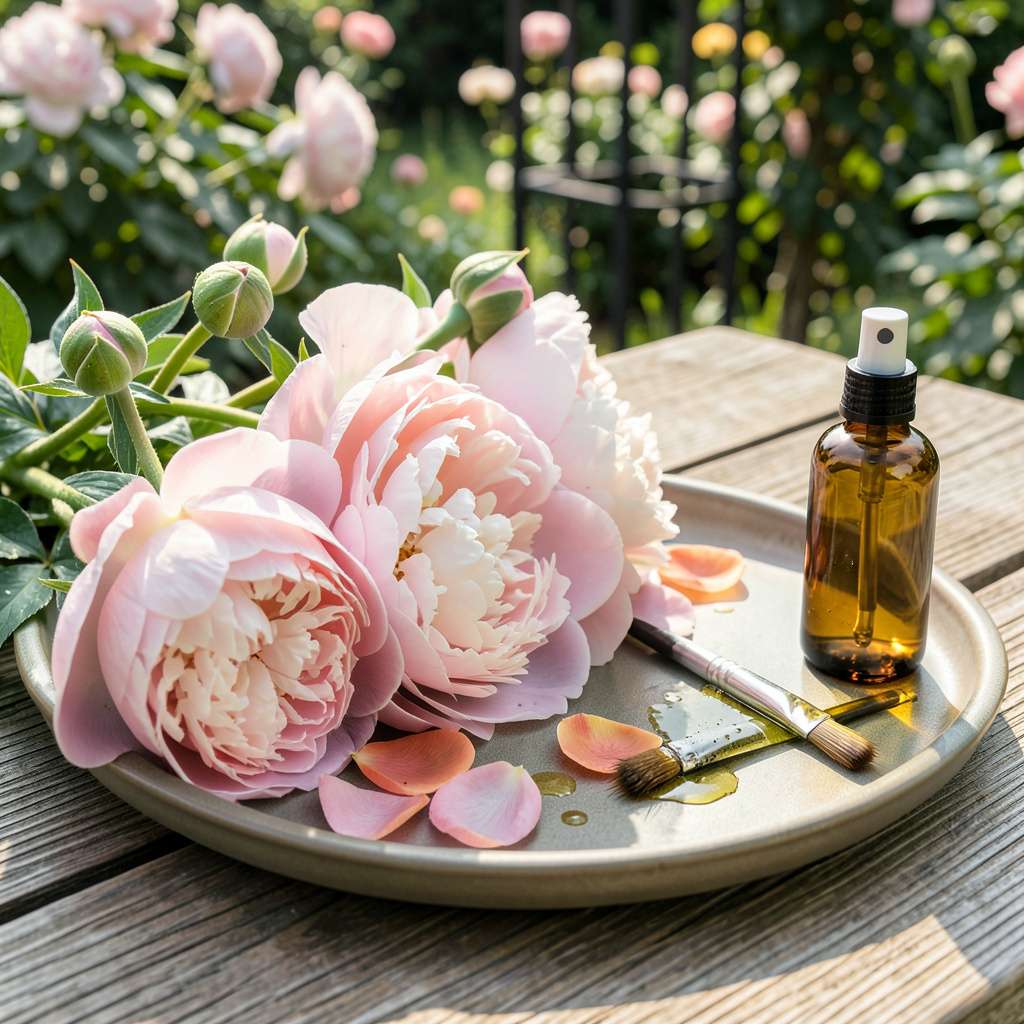
Peony season should be about lush blooms, not battling aphids or powdery mildew. I learned the hard way that chemical sprays often do more harm than good—until I discovered how neem oil protects these showstopping plants without harsh side effects. The difference was immediate: healthier foliage, fewer pests, and flowers that lasted weeks longer than untreated plants.
Timing and dilution are everything with peonies. Apply too late or too strong, and you risk burning delicate leaves. I’ve perfected a simple 1% neem oil solution that works wonders when sprayed in early morning or late evening—never in direct sun. The key is consistency: a light application every 10-14 days during growing season keeps problems from ever taking hold.
What surprised me most? How quickly it works. Within 48 hours of my first treatment, the aphid population on my Sarah Bernhardt peonies plummeted. The oil smothers soft-bodied pests while leaving beneficial insects unharmed—a balance commercial sprays never achieved in my garden. Even better, it prevents fungal issues before they start.
This isn’t just pest control—it’s peony insurance. Whether you’re growing heirloom varieties or new hybrids, that extra layer of protection means more blooms, stronger stems, and plants that come back reliably year after year. The five minutes it takes to mix and apply pays dividends all season long.
📚 In This Guide
This method protects your peonies from pests while keeping blooms vibrant—no harsh chemicals required.
Apply neem oil to peonies in early morning or late evening when temperatures are below 85°F. Direct sun combined with oil can scorch foliage, so avoid midday treatments. I check the forecast first—you need 24 hours of dry weather after application for maximum effectiveness.
The best windows are early spring as shoots emerge (to prevent fungal spores) and again just before buds form (to deter ants and beetles). You’ll see ants crawling on peony buds—they’re farming aphids, so this is your signal to act. Don’t wait until you spot curled leaves or blackened stems; that means pests have already stressed the plant.
Use cold-pressed neem oil (not cosmetic-grade) and mix it at 1 tablespoon per gallon of water. Add ½ teaspoon of mild liquid soap as an emulsifier—this prevents the oil from separating and ensures even coverage. Shake vigorously in a spray bottle until the mixture turns cloudy-white with no floating oil droplets.
I strain the solution through cheesecloth first to remove any particulates that could clog the sprayer. Test the pH with a strip if you’ve had issues before—neem works best at 6.0-7.0 pH. If your water is alkaline, add a pinch of citric acid to balance it. Always mix fresh; neem oil loses potency after 8 hours in solution.
Spray the solution until leaves glisten but don’t drip. Focus on undersides of leaves where pests hide, and coat stems up to the soil line. For established peonies, use a wand attachment to reach the center of the plant where new growth emerges. You’ll need about 1 quart of solution per mature plant for full coverage.
Work in sections: spray the outer foliage first, then part the leaves to treat the inner crown. Peony buds should be lightly misted but not soaked—excess moisture can cause botrytis blight. Reapply every 7-10 days during pest season, or after heavy rain which washes away the protective coating. I mark my calendar to stay consistent.
Check treated peonies 24 hours later for signs of stress: wilting, yellowing, or crispy leaf edges indicate either too strong a concentration or application during heat. If you see this, flush the foliage with plain water immediately. Healthy response shows as a slight sheen on leaves and reduced pest activity within 48 hours.
Ants will disappear from buds first—that’s your confirmation the neem is working. For stubborn infestations (like Japanese beetles), combine neem with kaolin clay for physical barrier protection. Rotate application times: early morning one week, evening the next, to disrupt pest life cycles. I keep a garden journal to track what works best for my specific peony varieties.
After years of battling peony pests, I’ve learned these key details make all the difference in protecting your plants effectively.
Timing Precision: The 24-hour dry weather window after application isn’t just a suggestion—it’s critical. I’ve ruined applications by spraying right before unexpected showers. Always check the extended forecast and consider using a portable plant cover if rain threatens within that 24-hour period. Morning applications often give you the best chance of avoiding afternoon thunderstorms.
The pH Factor: When the instructions mention neem oil works best at 6.0-7.0 pH, they’re not exaggerating. I’ve seen the difference firsthand—alkaline water (pH above 7.5) can reduce effectiveness by up to 40%. If you don’t have pH strips, watch for cloudiness in your water. Hard water often appears milky when mixed with soap, which is your cue to add that pinch of citric acid.
Application Technique: The instruction to focus on leaf undersides isn’t just about thoroughness—it’s pest biology. Over 90% of peony pests (especially spider mites and aphids) live on the undersides. I use a small paintbrush dipped in the solution to coat the tiny crevices where stems meet leaves, areas sprayers often miss. This extra step reduces the need for reapplication.
Solution Freshness: That 8-hour potency window for mixed neem oil isn’t arbitrary. The active compound azadirachtin begins breaking down immediately when exposed to water and oxygen. I mix only what I need for that day’s application and store the concentrate ingredients separately. For large gardens, consider splitting your peonies into sections and treating them on different days to avoid waste.
Avoid spraying neem oil directly on open peony blooms—it can stain petals or deter pollinators. Instead, target the foliage and stems early morning/evening when flowers are closed. If buds are tight (pre-bloom), a light application is safe. Always test a small area first!
For prevention, spray every 2–3 weeks during growing season. For active infestations (aphids, fungus), apply weekly until resolved. Stop treatments 4 weeks before frost to avoid winter damage. Tip: Reapply after heavy rain!
Spray at dawn or dusk to avoid leaf burn from sun + oil combo. Cool temps and calm winds help the oil adhere better. Avoid midday heat—it can stress plants and reduce effectiveness against pests like botrytis blight or spider mites.
Yes! Try:
Note: Neem oil is still the most broad-spectrum option for fungi + insects.
Yellowing can signal:
Pause treatment and monitor for 1 week.
Neem oil is a game-changer for keeping your peonies pest-free while promoting lush, vibrant blooms! 🌸 By using it correctly—diluting properly, applying at the right time, and staying consistent—you’ll protect your plants without harsh chemicals. Plus, its natural fungicidal properties help prevent common issues like powdery mildew.
Ready to give it a try? Start with a small test spray on a few leaves, then expand once you see how well your peonies respond. Happy gardening—your peonies will thank you with stunning flowers all season long! 🌿✨
