
Beautiful Plants For Your Interior
Beautiful Plants For Your Interior
I’ll be real with you: watching aphids turn crisp lettuce leaves into Swiss cheese is enough to make any gardener want to reach for chemical sprays. But after years of testing organic solutions, I’ve found that neem oil—when used correctly—stops pests in their tracks without damaging those tender greens you’ve been nurturing. The trick isn’t […]
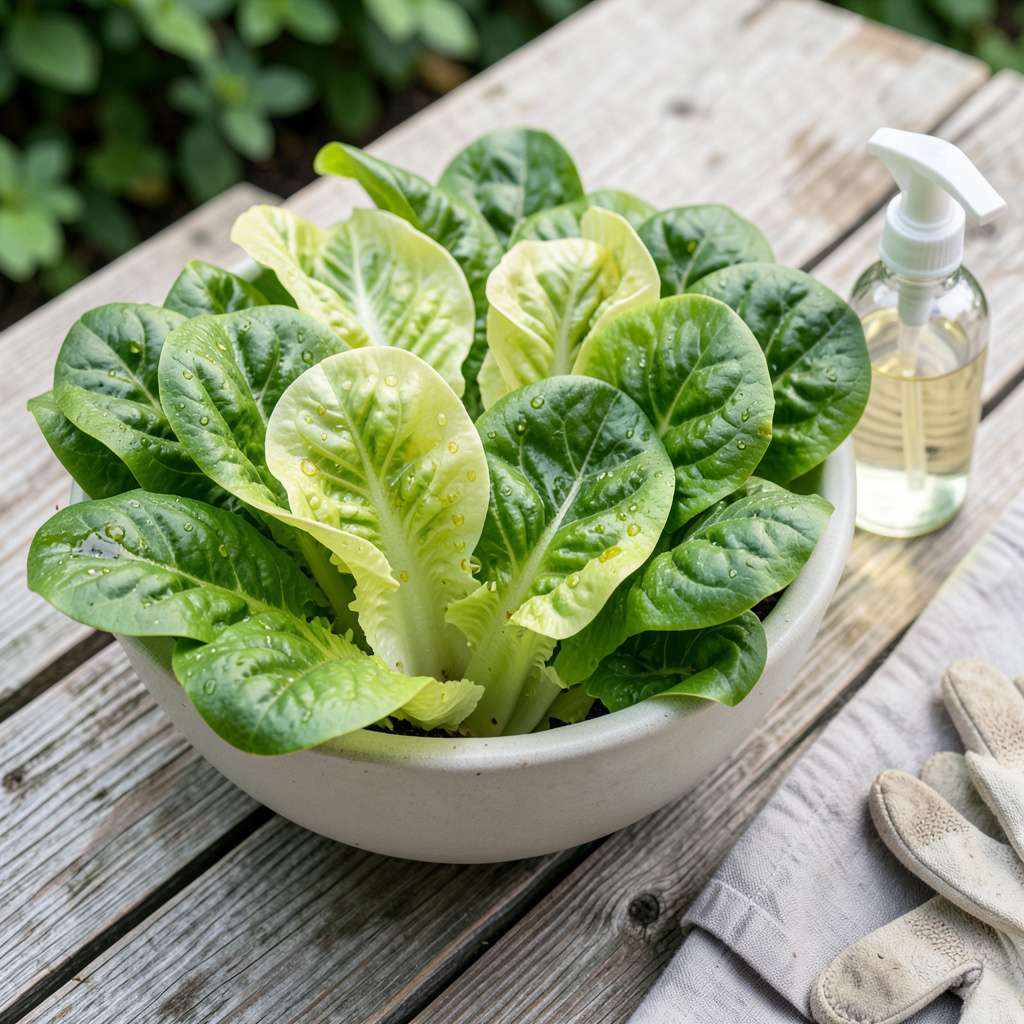
I’ll be real with you: watching aphids turn crisp lettuce leaves into Swiss cheese is enough to make any gardener want to reach for chemical sprays. But after years of testing organic solutions, I’ve found that neem oil—when used correctly—stops pests in their tracks without damaging those tender greens you’ve been nurturing.
The trick isn’t just spraying and hoping. It’s about timing (early morning or late evening), dilution (1 tablespoon per gallon of water), and thorough coverage—especially on the undersides of leaves where pests hide. My first attempt failed because I used it at noon in direct sun, which burned the leaves. Lesson learned the hard way.
Within 24-48 hours, you’ll notice fewer aphids and less fungal activity. The oil disrupts their life cycle while leaving your lettuce safe to harvest in just a few days. I’ve used this method on butterhead, romaine, and leaf varieties with equal success—no bitter aftertaste, no residue.
Best part? This works for container gardens, raised beds, and even hydroponic setups. The key is consistency—apply every 5-7 days during active infestations, then taper off as pests disappear. Your salad greens will thank you.
📚 In This Guide
This method keeps your lettuce pest-free while protecting those tender leaves from damage—here’s how to do it right.
Apply neem oil in the early morning or late evening when temperatures are below 85°F. Direct sunlight combined with oil can burn lettuce leaves, especially the delicate varieties like butterhead or oakleaf. I always check the forecast first—rain within 24 hours means the oil will wash off before it works.
Look for calm weather too. Even a light breeze makes it difficult to coat leaves evenly, and you’ll waste product through overspray. The ideal window is right after dew evaporates but before the sun hits the garden directly. Your lettuce will thank you for this timing.
Mix 1 tablespoon of cold-Pressed Neem Oil Pesticide: Organic Solution for Garden Pests”>pressed neem oil with 1 teaspoon of mild liquid soap (I use Castile) in 1 gallon of warm water. The soap acts as an emulsifier—without it, the oil separates and won’t stick to leaves. Shake vigorously in a spray bottle until the mixture looks uniformly cloudy, not layered.
Test your spray first on 2-3 leaves and wait 24 hours. If those leaves show no yellowing or spotting, you’re safe to proceed. This quick test prevents disaster—some lettuce varieties are more sensitive than others, and it’s better to sacrifice a few leaves than an entire crop.
Hold the spray bottle 8-10 inches from the plant and use a fine mist setting. You want a light, even coating—not dripping wet leaves. Focus on the undersides of leaves first, where pests like aphids and whiteflies hide. Then lightly coat the tops and stems.
Watch for runoff—if you see oil pooling on leaves or dripping onto the soil, you’ve used too much. The goal is protection, not suffocation. I like to work in sections, spraying just 3-4 plants at a time, then checking my coverage before moving on. This prevents missed spots and over-application.
Check your lettuce 24 hours after application. Healthy leaves should look slightly shiny but not sticky or discolored. If you spot any pests, they should appear sluggish or dead—neem oil disrupts their life cycle. For severe infestations, you’ll need a second application in 7-10 days.
Never apply neem oil more than once per week. Overuse builds up on leaves and can block photosynthesis. I keep a garden journal to track applications—it’s easy to lose count when you’re dealing with multiple plantings. Always apply after harvesting leaves, never before, to minimize any residual taste.
Wait at least 3-5 days after your last neem oil application before harvesting. This gives the oil time to break down and ensures no residual taste. When you do harvest, wash leaves thoroughly under cool running water—neem oil residue can have a slightly bitter flavor if not rinsed properly.
I use a salad spinner after washing to remove excess moisture, which also helps eliminate any lingering oil particles. The great news is that properly applied neem oil leaves no detectable flavor, and your lettuce will stay crisp and fresh longer thanks to the pest protection.
After years of protecting lettuce crops with neem oil, here’s what I’ve learned about getting the best results without damaging those tender leaves.
Timing is Everything: The early morning or late evening application window mentioned in Step 1 isn’t just a suggestion—it’s critical. I learned this the hard way after losing several butterhead lettuce plants to leaf burn when I applied neem oil at midday. Even if temperatures are below 85°F, the sun’s intensity can still cause problems. Always check the forecast for that 24-hour rain window too; I keep a small weather station in my garden to monitor conditions precisely.
Mixing Matters: When preparing your solution in Step 2, the order of mixing makes a difference. Add the 1 teaspoon of mild liquid soap to the warm water first and swirl to dissolve, then add the 1 tablespoon of neem oil. This prevents oil droplets from forming. I use a dedicated spray bottle with measurement marks to ensure consistency. The 24-hour test on 2-3 leaves is non-negotiable—some heirloom varieties I’ve grown showed sensitivity even when the commercial varieties were fine.
Application Technique: In Step 3, the 8-10 inch distance from the plant isn’t arbitrary. Holding the spray bottle closer creates droplets that can pool and burn leaves, while holding it farther away wastes product through evaporation. I practice on a few weeds first to get the mist just right. Focus on those undersides where pests hide—this is where most gardeners underapply. The fine mist setting is crucial; I’ve ruined batches by using a stream setting that created runoff.
Monitoring and Safety: That 24-hour check in Step 4 reveals more than just pest activity. Look for any leaf curling or discoloration, which can indicate sensitivity. I take photos with my phone to compare before and after. The 3-5 day waiting period before harvest in Step 5 is based on neem oil’s half-life—rushing this can leave a bitter taste. I once harvested at day 2 and could definitely taste the difference after washing.
Yes, but dilute it properly (1-2 tsp oil + 1 tsp mild soap per gallon of water) and spray in the early morning or late evening to avoid leaf burn. Avoid harvesting for 1-2 days after application to let residues break down. Always test a small area first!
Apply every 7-14 days for prevention or every 5-7 days during active pest outbreaks (like aphids). Stop applications 2-3 weeks before harvest to minimize residue. Overuse can harm beneficial insects, so monitor plants closely!
Try insecticidal soap (for soft-bodied pests) or diatomaceous earth (for crawlers like slugs). Companion planting with marigolds or garlic also deters pests naturally. For fungal issues, baking soda sprays (1 tbsp/L water) work well!
Yellowing often means over-application, sunburn (spraying in heat), or oil clogging pores. Rinse leaves with water, reduce concentration, and spray only in cool, shaded conditions. If wilting occurs, trim affected leaves and pause treatment.
Yes, but wash thoroughly with 1 part vinegar to 3 parts water to remove residues. Neem oil is low-toxicity (OMRI-listed for organic use), but its bitter taste lingers. Wait 24-48 hours post-spray for best results—peace of mind included!
Using neem oil on lettuce is a smart, organic way to keep pests at bay while protecting your tender greens. 🌱 With the right dilution and timing, you can enjoy thriving, chemical-free lettuce all season long—just
Ready to give it a try? Start with a small test spray and monitor your plants for a few days. Happy gardening, and here’s to crisp, pest-free salads! 🥗
