
Beautiful Plants For Your Interior
Beautiful Plants For Your Interior
That moment you spot tiny webs on your jade plant’s leaves—your stomach drops. I’ve been there, watching mealybugs turn a thriving succulent into their personal buffet. Neem oil became my secret weapon, but here’s the thing: it only works if you use it right. Too strong and you’ll burn the leaves; too weak and the […]
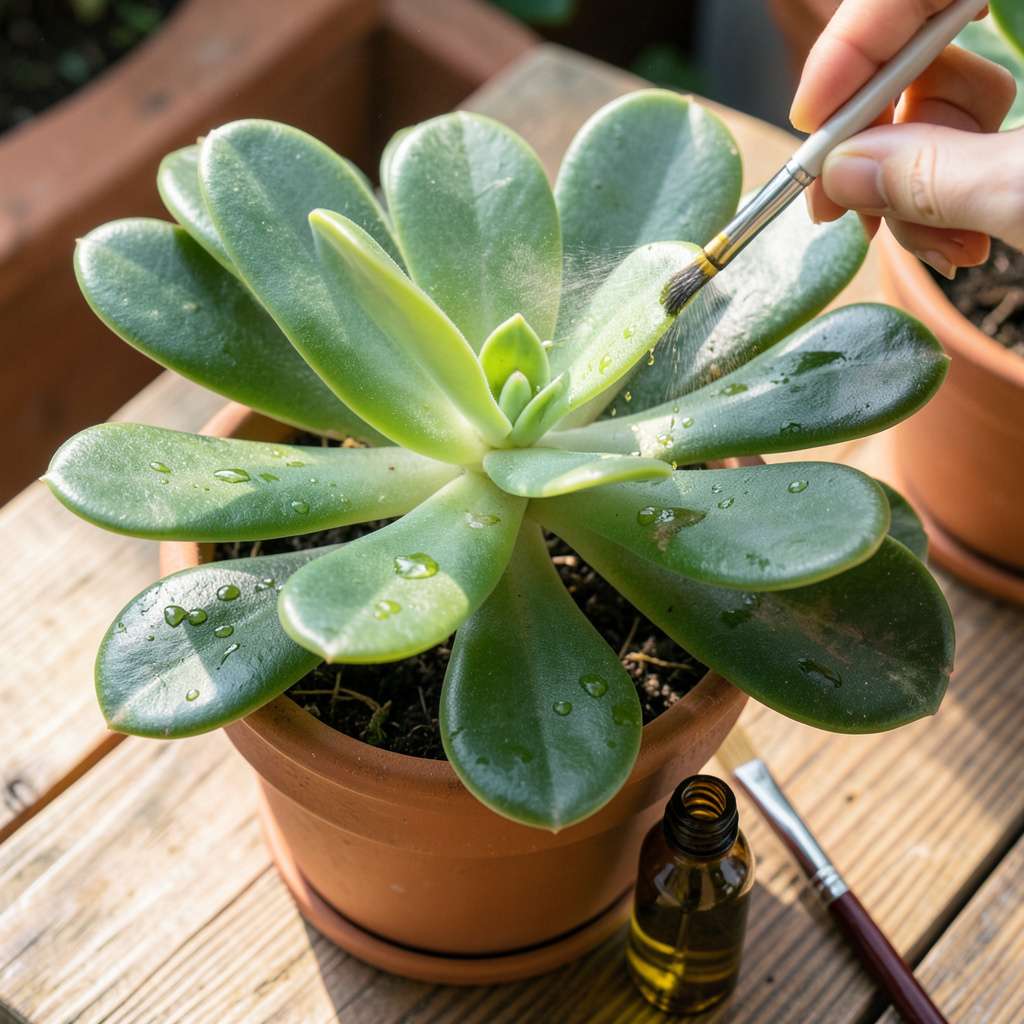
That moment you spot tiny webs on your jade plant’s leaves—your stomach drops. I’ve been there, watching mealybugs turn a thriving succulent into their personal buffet. Neem oil became my secret weapon, but here’s the thing: it only works if you use it right. Too strong and you’ll burn the leaves; too weak and the pests just laugh at you.
After ruining a few plants with over-enthusiastic spraying (lesson learned the hard way), I landed on the perfect dilution ratio and application method. It’s not complicated—just 1 tablespoon Neem Oil Per Gallon of Water: Essential Gardening Tips”>neem oil per gallon of water, with a drop of dish soap to help it stick. The key is evening applications when the plant’s pores are open but the sun won’t fry the oil on the leaves.
Within 48 hours, you’ll see pests scrambling for the exits. The oil smothers soft-bodied insects on contact while preventing fungal spores from taking hold. Your jade’s leaves will stay plump and vibrant instead of spotted and sticky. I check mine weekly now—early detection means easier treatment.
Works for indoor collections, outdoor plants in warm climates, or that one jade you’ve kept alive for years. The same method protects against powdery mildew, scale, and those annoying fungus gnats. Just remember: consistency beats strength with neem oil. Let me show you exactly how to mix and apply it safely.
📚 In This Guide
This simple process protects your jade plant naturally—just follow these clear steps for best results.
Start by moving your jade plant to a shaded area or wait until evening. Direct sunlight after application can burn the leaves. I always check the plant first for visible pests like mealybugs or spider mites—look closely at leaf joints and undersides where they hide.
Remove any heavily infested leaves by hand and discard them in sealed plastic. This reduces the pest population before treatment. Gently wipe the remaining leaves with a damp cloth to remove dust and debris. Clean leaves absorb the neem oil more effectively.
Use cold-pressed neem oil and mix it at a ratio of 1 tablespoon per gallon of water. Add ½ teaspoon of mild liquid soap as an emulsifier—this helps the oil disperse evenly in water. Shake the mixture vigorously in a spray bottle until it looks milky.
Test the solution on a single leaf first and wait 24 hours. If you see no discoloration or damage, proceed with full application. I’ve found that using lukewarm water helps the oil mix better than cold water straight from the tap.
Spray the solution evenly over all leaf surfaces until they glisten but aren’t dripping. Pay special attention to the undersides of leaves where pests congregate. Cover the stems lightly as well, but avoid soaking the soil—neem oil can affect beneficial microbes in the root zone.
Use a soft paintbrush for stubborn pests in crevices. The oil needs to contact pests directly to work, so thorough coverage matters. I apply in the evening when temperatures are below 85°F to prevent leaf burn from sun exposure.
Check your plant daily for the first week. You should see pests disappearing within 3-5 days. The oil also prevents fungal issues by creating a protective barrier on leaves. If rain or watering washes off the treatment, reapply after 7-10 days.
For severe infestations, you may need 2-3 applications spaced 7-14 days apart. Healthy jade plants typically recover completely within 2-3 weeks of consistent treatment. I’ve rescued even badly infested plants using this method—patience is key.
Once pests are gone, apply neem oil as a preventative every 4-6 weeks. Isolate new plants for 2-3 weeks before introducing them near your jade plant. Regularly inspect leaves with a magnifying glass—catching problems early makes treatment much easier.
Improve air circulation around your plant and avoid overwatering. Stress makes jade plants more vulnerable to pests. I’ve found that healthy, well-cared-for plants rarely need more than occasional preventative treatments.
These practical insights will help you get the most out of your neem oil treatment while avoiding common pitfalls.
Mixing Matters: When preparing your solution in Step 2, use lukewarm water rather than cold tap water. I’ve found this helps the 1 tablespoon of neem oil and ½ teaspoon of mild liquid soap emulsify more completely, creating a uniform mixture that coats leaves evenly. Shake vigorously before each use, as the oil naturally separates from water over time.
Timing is Everything: The 24-hour waiting period after testing on a single leaf isn’t just a suggestion—it’s your safety net. I learned this the hard way after rushing the process and seeing leaf damage. This test reveals any sensitivity your particular jade plant might have to the solution before full application.
Evening Application Advantage: Following Step 3’s guidance to apply when temperatures are below 85°F makes all the difference. Evening applications give the oil time to absorb without immediate sun exposure that can cause burning. I’ve had perfect results applying just before sunset, giving the treatment overnight to work its magic.
Consistency Pays Off: During the 3-5 days after initial application mentioned in Step 4, daily monitoring is crucial. Check leaf undersides with a magnifying glass—this is where pests often hide. The 7-10 day reapplication window after rain isn’t arbitrary; it accounts for the oil’s natural degradation while maintaining protection.
For pest prevention, spray diluted neem oil every 2-4 weeks. If treating an active infestation (like mealybugs or spider mites), apply once a week until pests vanish—usually 3-4 treatments. Avoid overuse; too much oil can clog pores! Always spray in the early morning or late evening to prevent leaf burn.
No! Neem oil + sunlight = risk of leaf scorch. Apply in the early morning or after sunset when temps are below 90°F (32°C). If you must spray midday, move the plant to shade for 24 hours or dilute the oil further (1 tsp per gallon of water).
Stick to 1–2 teaspoons neem oil + 1 teaspoon mild soap (like Castile) per 1 quart (32 oz) of water. Shake vigorously before spraying! For seedlings or sensitive plants, halve the dose. Test on one leaf first—wait 24 hours for irritation signs.
Yes! Try these gentler options:
Neem’s still the best all-rounder for fungal issues, though!
Yellowing leaves often mean overapplication, sun exposure, or poor dilution. Rinse leaves with water if you see residue. Skip the next treatment, and check for root rot (neem won’t fix waterlogged soil!). If spots appear, wipe leaves with a damp cloth and reduce oil concentration by half.
Neem oil is a game-changer for keeping your jade plant thriving—naturally tackling pests, fungi, and even boosting growth! 🌱 With the right dilution and application, you’ll see healthier leaves and fewer problems without harsh chemicals. Just remember: consistency and proper timing are key to success.
Ready to give it a try? Start with a small test patch on your jade plant today, then gradually treat the rest. Your lush, pest-free plant will thank you! 🌿
