
Beautiful Plants For Your Interior
Beautiful Plants For Your Interior
Hydroponic systems need pest protection too—without the chemical residue. I learned this the hard way after aphids nearly wiped out my lettuce in a week. Neem oil became my go-to solution because it targets pests while keeping the water-based environment clean and plants thriving. The key is getting the dilution right. Too strong and you […]
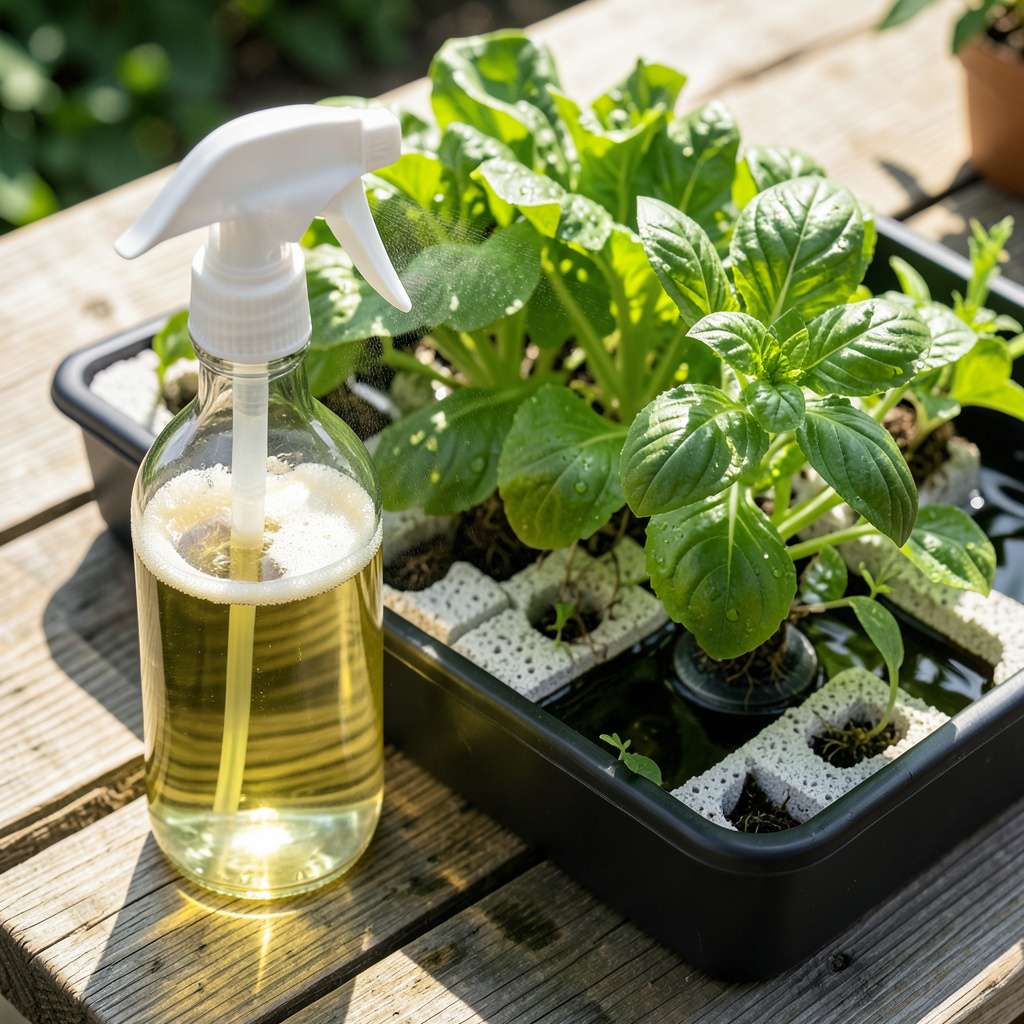
Hydroponic systems need pest protection too—without the chemical residue. I learned this the hard way after aphids nearly wiped out my lettuce in a week. Neem oil became my go-to solution because it targets pests while keeping the water-based environment clean and plants thriving.
The key is getting the dilution right. Too strong and you risk damaging roots; too weak and pests laugh at your efforts. After testing different ratios, I landed on a 1-2 tsp per gallon mix that works for most hydroponic setups. The oil emulsifies properly when you add a drop of mild soap—no clogged pumps or residue buildup.
Application timing matters just as much as the mix. Treat during the dark cycle to avoid light degradation, and always run your system for 30 minutes after application to ensure even distribution. You’ll see pests disappear within 48 hours, and your plants will look healthier without that chemical stress.
Works for all hydroponic systems—DWC, NFT, or ebb-and-flow. The same method that saved my basil and kale can protect your setup too. Here’s exactly how to do it without the guesswork.
📚 In This Guide
This method keeps your hydroponic system pest-free while protecting delicate roots and beneficial microbes.
Start by mixing 1 teaspoon of cold-pressed neem oil with 1 teaspoon of mild liquid soap (I use castile soap) in 1 quart of warm water. The soap acts as an emulsifier, helping the oil disperse evenly in water rather than floating on top. Shake vigorously in a spray bottle until the mixture turns milky white—this indicates proper emulsification.
Never use neem oil concentrate directly in your hydroponic reservoir. The undiluted oil will coat roots and smother them, while also killing beneficial bacteria. I always mix fresh solution before each application—neem oil separates quickly and loses effectiveness after 8 hours.
Focus your application on leaf surfaces and stems where pests are visible. Spray lightly until leaves glisten but don’t drip—excess runoff into the reservoir can harm your system. For severe infestations, you can gently wipe leaves with a neem-soaked cloth instead of spraying.
Here’s the critical part: never Spray Neem Oil on Soil: Effective Pest Control Tips”>spray neem oil within 2 hours of lights turning on or off. The combination of neem and temperature fluctuations stresses plants. I apply mine mid-morning when lights are stable and plants are actively photosynthesizing.
Check treated plants after 24 hours—you should see reduced pest activity and no leaf burn. If pests persist, repeat treatment every 3-5 days for up to 3 applications. Neem oil works systemically but takes time to fully disrupt pest life cycles.
Watch for these signs of overapplication: yellowing leaf tips, slowed growth, or a film developing on the water surface. If you notice any of these, flush your system with plain pH-balanced water and reduce neem concentration by half next time.
After your final neem application, run your system with plain water for 48 hours before adding nutrients again. This gives beneficial microbes time to recover from any minor neem exposure. I also add a quarter-strength dose of hydroponic-friendly microbial inoculant to repopulate helpful bacteria.
For prevention, I maintain a schedule of monthly neem treatments at half-strength (½ teaspoon per quart). This keeps pests from establishing while being gentle enough for continuous use. Always shake your neem solution before each use—separation is normal but affects efficacy.
After years of experimenting with Natural Pest Control Solution”>natural pest control in our hydroponic systems, here are the key insights that make all the difference.
Solution Preparation: When mixing your neem oil solution in Step 1, always use warm water—not hot or cold. Water that’s too hot will degrade the neem oil’s active compounds, while cold water makes emulsification difficult. I’ve found that shaking the spray bottle for a full 30 seconds (until it turns uniformly milky white) ensures proper dispersion. The 8-hour effectiveness window means you should prepare only what you’ll use immediately.
Application Timing: The 2-hour window before and after light changes in Step 2 is critical. I learned this the hard way when I applied neem oil just before lights-out and saw leaf curling the next morning. Mid-morning application gives plants time to metabolize the oil before temperature fluctuations occur. For severe infestations, wiping leaves with a neem-soaked cloth (rather than spraying) gives you more control over application.
System Recovery: After your final treatment, the 48-hour plain water flush in Step 4 isn’t just about removing residue—it’s about giving your beneficial microbes time to rebound. I always add that quarter-strength microbial inoculant mentioned in the instructions; it’s the difference between a system that struggles and one that thrives after treatment. Watch for that telltale film on the water surface—it’s your first sign to flush and reduce concentration next time.
Preventive Maintenance: The monthly half-strength treatments have become my secret weapon. At just ½ teaspoon per quart, it’s gentle enough for continuous use but effective enough to prevent outbreaks. Always shake your solution before each use—neem oil separates faster than you think, and that first spray after separation is mostly water (and thus ineffective).
Got questions about using neem oil in your hydroponic system? You’re not alone! Here are the most common queries—and clear answers—to help you grow with confidence.
Yes! Neem oil works in deep water culture, nutrient film technique (NFT), and ebb-and-flow systems. However, avoid using it in aeroponics—the fine mist can clog nozzles. Always dilute properly (1 tsp per gallon) and test on a small batch first.
Apply every 7–10 days as a preventive measure or every 3–5 days for active infestations (like spider mites or aphids). Stop use 2–3 weeks before harvest to avoid residual taste. Overuse can stress plants—stick to the schedule!
When diluted correctly, neem oil is safe for plants but may temporarily disrupt beneficial microbes. To minimize impact, use cold-pressed neem oil (not refined) and avoid mixing with hydrogen peroxide. Monitor pH levels post-application—aim for 5.5–6.5.
If pests persist, try:
Rotate methods to prevent resistance!
Cloudiness usually means over-mixing or poor emulsification. Use a mild soap (like Castile) as an emulsifier (½ tsp per gallon) and mix thoroughly but gently. If oil separates, strain through a coffee filter before adding to your reservoir.
Neem oil is a game-changer for hydroponic growers, offering a natural, residue-free way to combat pests while keeping plants thriving. 🌱 By integrating it into your routine—with the right dilution and timing—you’ll protect your system without harsh chemicals or disruptions.
Ready to give it a try? Start with a small test batch on a single plant, monitor the results, and scale up as you gain confidence. Your hydroponic garden (and the environment) will thank you! 🌿
