
Beautiful Plants For Your Interior
Beautiful Plants For Your Interior
Hibiscus leaves turning yellow or sticky? I’ve been there—watching those tropical beauties struggle with pests is heartbreaking. Neem oil changed everything for my plants, handling both pest invasions and fungal issues without harsh chemicals. The difference after just two applications was shocking: healthier leaves, fewer bugs, and that signature glossy shine hibiscus are known for. […]
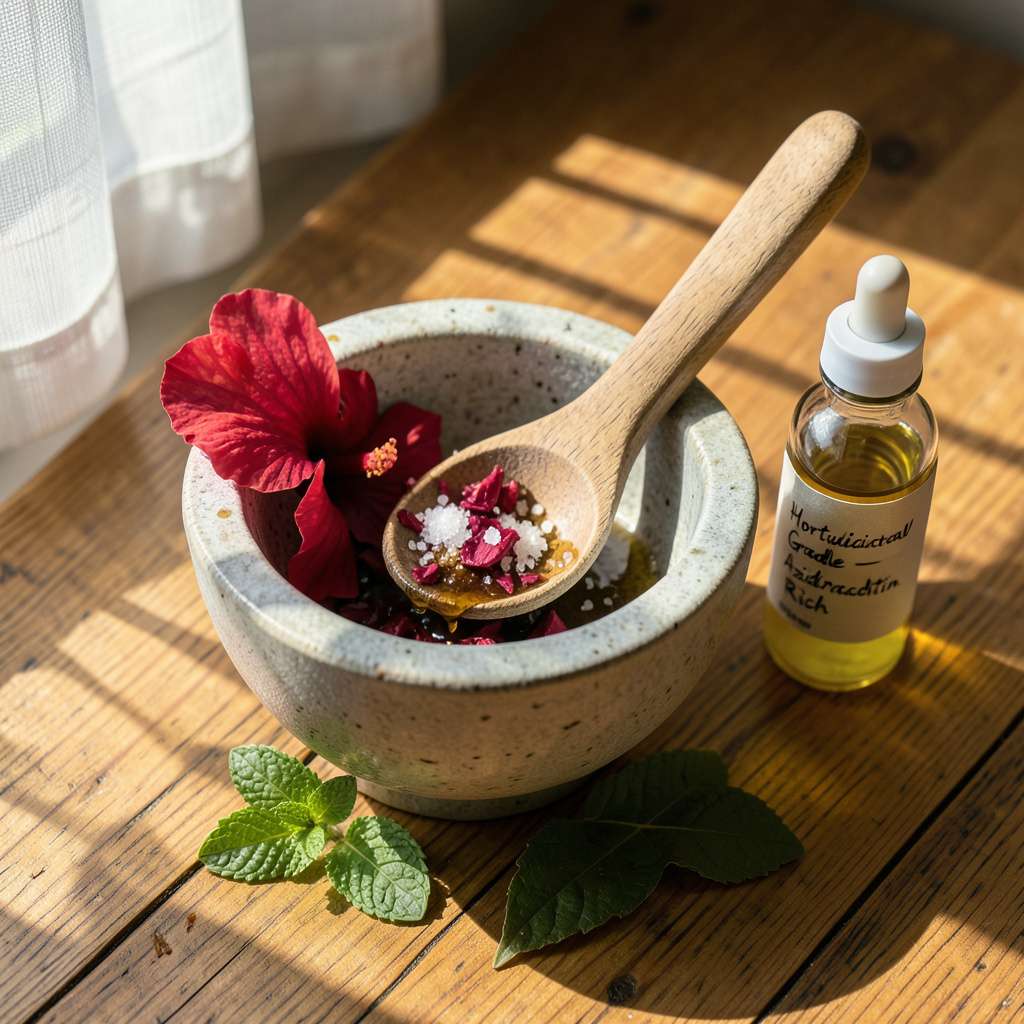
Hibiscus leaves turning yellow or sticky? I’ve been there—watching those tropical beauties struggle with pests is heartbreaking. Neem oil changed everything for my plants, handling both pest invasions and fungal issues without harsh chemicals. The difference after just two applications was shocking: healthier leaves, fewer bugs, and that signature glossy shine hibiscus are known for.
Scale, aphids, and powdery mildew don’t stand a chance against proper neem oil treatment. I learned the hard way that timing matters—apply in early morning or late evening to avoid leaf burn. A simple spray bottle, the right dilution ratio, and consistency are all you need. My hibiscus now recover faster from infestations than ever before.
What surprised me most was how neem oil actually improves leaf appearance while protecting the plant. The natural oils give foliage a rich, vibrant sheen that makes the blooms pop even more. Within 48 hours of the first treatment, I noticed pests disappearing and new growth looking stronger.
Works for potted hibiscus on patios or landscape plants in garden beds. The key is regular application—every 7-14 days during active growing season keeps problems from returning. Here’s exactly how to mix and apply it for best results.
📚 In This Guide
This simple process protects your plants while enhancing their natural beauty—no harsh chemicals required.
Select 100% cold-pressed neem oil labeled for horticultural use. Avoid cosmetic or food-grade versions, as they lack the azadirachtin compound that deters pests. I prefer brands with clear instructions for dilution ratios, which saves guesswork later.
Check the expiration date—neem oil loses potency after 1-2 years. If your bottle smells rancid or appears cloudy, it’s past its prime. Store unopened bottles in a cool, dark place to preserve the active compounds until you’re ready to use them.
Mix 1 tablespoon neem oil with 1 teaspoon mild liquid soap (as an emulsifier) in 1 gallon warm water. The soap helps the oil disperse evenly rather than floating on top. Shake vigorously in a spray bottle until the mixture turns milky white.
Test the solution on a single hibiscus leaf first. Wait 24 hours to check for any adverse reactions like leaf burn or excessive wilting. This precaution matters most in hot climates where oils can intensify sun damage.
Spray the neem mixture early morning or late evening to avoid leaf burn from sun exposure. Cover both the upper and lower leaf surfaces—pests like spider mites and whiteflies hide underneath. Use a fine mist setting to ensure even coverage without dripping.
Focus on new growth and flower buds, where pests tend to congregate. You’ll notice the leaves develop a subtle shine as the oil dries. Reapply every 7-14 days during active pest seasons, or after heavy rain washes away the protective coating.
Check your hibiscus 2-3 days after application for reduced pest activity. Look for fewer visible insects, less leaf damage, and improved leaf color. The neem oil works systemically, so effects become more apparent over 5-7 days.
If you spot new pest outbreaks between treatments, increase frequency to every 5 days until the problem subsides. Always apply in the evening to minimize disruption to pollinators like bees, which are less active at dusk.
Use the mixed solution within 8 hours for maximum effectiveness. Neem oil breaks down quickly once diluted. If you must store it, keep the spray bottle in a cool, dark place for up to 24 hours, but expect reduced potency.
Between uses, rinse your sprayer with hot soapy water to prevent clogs from oil residue. For long-term storage, keep concentrated neem oil in its original container, tightly sealed, away from direct sunlight and temperature fluctuations.
After years of experimenting with Pest Control Solution”>natural pest control, I’ve learned these key strategies that make all the difference in protecting hibiscus plants effectively.
Solution Preparation: When mixing your neem oil solution in Step 2, use warm water (not hot) to help the oil emulsify properly with the soap. I’ve found that shaking the spray bottle for at least 30 seconds creates the ideal milky consistency. Cold water can cause the oil to separate, reducing effectiveness.
Application Timing: The 24-hour test period in Step 2 is non-negotiable, especially in hot climates. I learned this the hard way when I skipped testing and ended up with burned leaves on a particularly sunny day. Even if you’re in a hurry, this waiting period prevents costly mistakes.
Coverage Technique: In Step 3, pay special attention to the undersides of leaves where pests hide. Use a fine mist setting and hold the sprayer about 12 inches from the plant. I like to work in sections, spraying until I see a light sheen develop but before any dripping occurs.
Storage Wisdom: The 8-hour effectiveness window in Step 5 is critical. If you must store diluted solution, keep it in a completely dark cabinet (like inside a kitchen cupboard) rather than just a cool place. I’ve successfully stored mine for the full 24 hours this way with minimal potency loss.
Apply neem oil every 7–14 days as a preventative measure or weekly if treating active pests like aphids or spider mites. Always spray in the early morning or late evening to avoid leaf burn from sun exposure. Reduce frequency during rainy seasons—water can wash it away!
Avoid spraying open blooms directly—neem oil can damage delicate petals. Focus on leaves, stems, and buds instead. If pests target flowers, apply a light mist at dusk when pollinators are less active.
For most hibiscus varieties, mix 1–2 teaspoons of neem oil + ½ teaspoon mild soap (as an emulsifier) per 1 quart of water. Shake well before spraying! Test on a small leaf area first to check for sensitivity.
If pests persist, try:
Rotate methods to prevent resistance!
Yellowing can signal overapplication, sunburn (if sprayed midday), or soil pH imbalance. Rinse leaves with water, pause treatment for 2 weeks, and check for root stress. Always follow dilution guidelines!
Neem oil is a game-changer for hibiscus lovers—offering a safe, natural way to banish pests and restore that stunning leaf shine! 🌿✨ By following the simple steps we’ve covered, you’ll keep your plants thriving without harsh chemicals. Ready to see the difference?
Start with a small test spray today, then treat your entire hibiscus once you’re confident. For even better results, pair neem oil with regular pruning and watering. Your blooms will thank you! 🌺
