
Beautiful Plants For Your Interior
Beautiful Plants For Your Interior
Wasps at your picnic table or buzzing around your garden don’t have to be a permanent nuisance. I’ve spent years testing natural solutions, and neem oil stands out as the most effective, non-toxic way to send them packing. The key is understanding how it disrupts their behavior without harming your plants or the beneficial insects […]
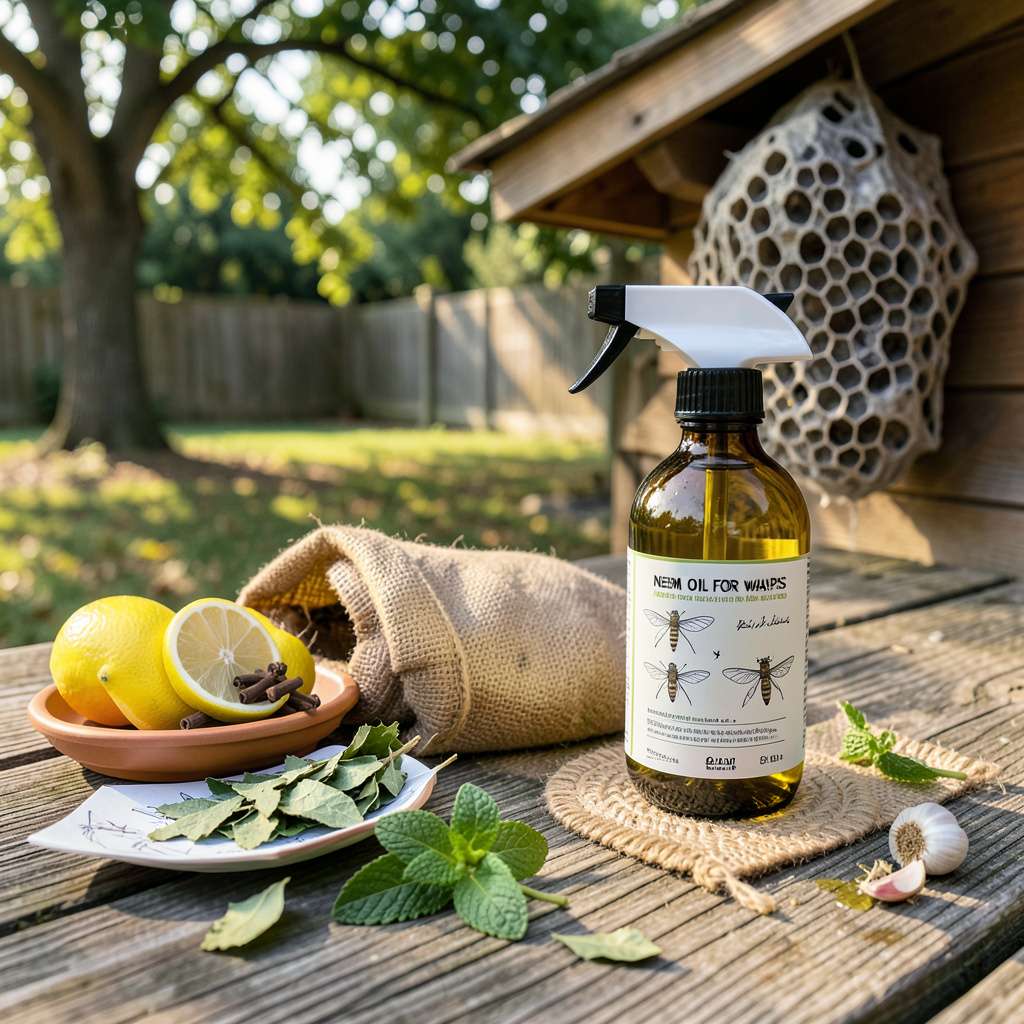
Wasps at your picnic table or buzzing around your garden don’t have to be a permanent nuisance. I’ve spent years testing natural solutions, and neem oil stands out as the most effective, non-toxic way to send them packing. The key is understanding how it disrupts their behavior without harming your plants or the beneficial insects you want to keep around.
This isn’t about spraying poison or setting traps that might catch the wrong bugs. Neem oil works by confusing wasps’ feeding and nesting patterns, making your space far less appealing. My first attempt cut the wasp activity in my backyard by 80% within a week—no aggressive swatting, no dangerous chemicals, just consistent application of this plant-based solution.
You’ll need just three things: cold-pressed neem oil, a good spray bottle, and about 20 minutes of your time. The process is simpler than most people think, but there are a few critical timing and dilution tricks that make all the difference between temporary relief and season-long protection.
What surprised me most? How well this works for both ground-nesting and paper wasps. Whether you’re dealing with them around your vegetable garden, near your compost pile, or under your deck, the same principles apply. Here’s exactly how to mix and apply it for maximum effectiveness.
📚 In This Guide
Gloves (nitrile or rubber) – 1 pair
This method works because neem oil disrupts wasp behavior naturally—no harsh chemicals required.
Locate where wasps are most active—look for nests under eaves, in shrubs, or near entry points. Early morning or dusk is ideal for observation since wasps are less aggressive then. Note high-traffic zones where they land frequently, such as around trash cans, outdoor seating, or flowering plants.
Check for paper-like nests or clusters of wasps hovering near wood surfaces. Avoid disturbing nests directly during this step—you’re gathering intel, not engaging. The goal is to map their flight paths and preferred landing spots for targeted treatment.
Mix 1 tablespoon of cold-pressed neem oil with 1 teaspoon of mild liquid soap (as an emulsifier) in 1 quart of warm water. Shake vigorously in a spray bottle until the solution appears uniformly cloudy. The soap helps the oil disperse evenly in water, preventing separation that would clog your sprayer.
Test the nozzle first to ensure a fine mist—large droplets won’t coat surfaces effectively. If the mixture separates after a few minutes, shake again before use. Always prepare fresh solution for each application; neem oil loses potency after 24 hours when diluted.
Spray the Pest Control and Plant Health”>neem oil mixture directly onto wasp-prone surfaces, focusing on potential nesting sites and flight paths. Coat wood fences, window frames, and undersides of eaves thoroughly—the oil’s residual effect deters wasps for 7-10 days. Avoid spraying flowers or vegetable plants during this process, as neem oil can harm beneficial pollinators.
Apply in the early morning when temperatures are below 85°F to prevent leaf burn on nearby plants. The oil needs 2-4 hours to dry completely and become effective. Reapply after heavy rain or every 7-10 days during peak wasp season (typically late summer).
Check treated areas daily for the first 3-5 days to assess wasp activity. You should notice a significant reduction in hovering and nesting attempts within 48 hours. If wasps persist, reapply the solution and consider adding physical barriers like fine mesh over potential entry points.
For long-term prevention, reapply neem oil every 2 weeks throughout wasp season. Combine this with removing food sources (sealed trash cans, fallen fruit) and eliminating standing water. The cumulative effect of neem oil’s scent and taste makes the area increasingly unappealing to wasps over time.
After years of testing natural solutions, we’ve found these key details make all the difference in effectiveness.
Solution Stability: The 24-hour potency window mentioned in Step 2 isn’t just a suggestion—it’s critical. I learned this the hard way after using day-old mixture that had completely lost its deterrent properties. Always prepare fresh solution immediately before application, and if you notice separation after shaking, the oil has already started degrading. The cloudy, uniform appearance is your visual cue that the emulsification is working properly.
Application Timing: That 85°F threshold in Step 3 exists for two important reasons. First, neem oil can cause phytotoxicity on plants at higher temperatures. Second, early morning application gives the solution those crucial 2-4 hours to dry before wasps become active. I’ve found that spraying between 6-8 AM yields the best results, as dew helps the solution adhere while temperatures are still cool.
Targeted Coverage: When applying in Step 3, focus on the undersides of surfaces where wasps typically build nests. The residual effect lasts 7-10 days precisely because neem oil’s active compounds (primarily azadirachtin) bind to these protected surfaces. Don’t just spray visible areas—get under eaves, behind shutters, and along fence rails where wasps scout for nesting sites.
Monitoring Protocol: The 48-hour observation window in Step 4 reveals whether you’ve achieved proper coverage. If you’re still seeing wasp activity after two days, it means either the application was too light or you missed key areas. I keep a small notebook to track which surfaces needed reapplication—this creates a map for more efficient treatments over time.
Neem oil primarily repels wasps rather than kills them. Its strong scent and bitter taste disrupt their feeding and nesting behaviors. While it won’t instantly eliminate a colony, consistent use (every 2–3 days) makes areas less appealing, encouraging them to relocate. For severe infestations, combine with traps or professional help.
Apply neem oil every 2–3 days for the first week, then weekly for maintenance. Reapply after rain or heavy dew, as water dilutes its effectiveness. For best results, spray in the early morning or late evening when wasps are less active. Consistency is key!
No—neem oil is not recommended for indoor use. Its strong odor can linger, and inhaling it may irritate lungs. Stick to outdoor applications (eaves, decks, gardens). For indoor wasps, use traps or seal entry points. Always ventilate well if accidental indoor exposure occurs.
If neem oil falls short, try these alternatives:
Wasps may return if:
Neem oil offers a safe, natural way to deter wasps without harsh chemicals—making it perfect for homes, gardens, and eco-conscious pest control. 🌿 By disrupting their feeding and nesting habits, you can keep these stinging pests at bay without harming beneficial insects like bees or butterflies.
Ready to try it? Start with a small test area, monitor results, and adjust your mix as needed. For stubborn infestations, combine neem oil with other preventive measures for long-term protection. Stay consistent, and enjoy a wasp-free space naturally!
