
Beautiful Plants For Your Interior
Beautiful Plants For Your Interior
I’ll be real with you: neem oil changed how I handle garden problems. After losing three rose bushes to black spot and watching aphids destroy my kale overnight, I finally found something that works without harsh chemicals. This natural solution tackles both pests and fungal issues in one go—no mixing multiple sprays or hoping for […]
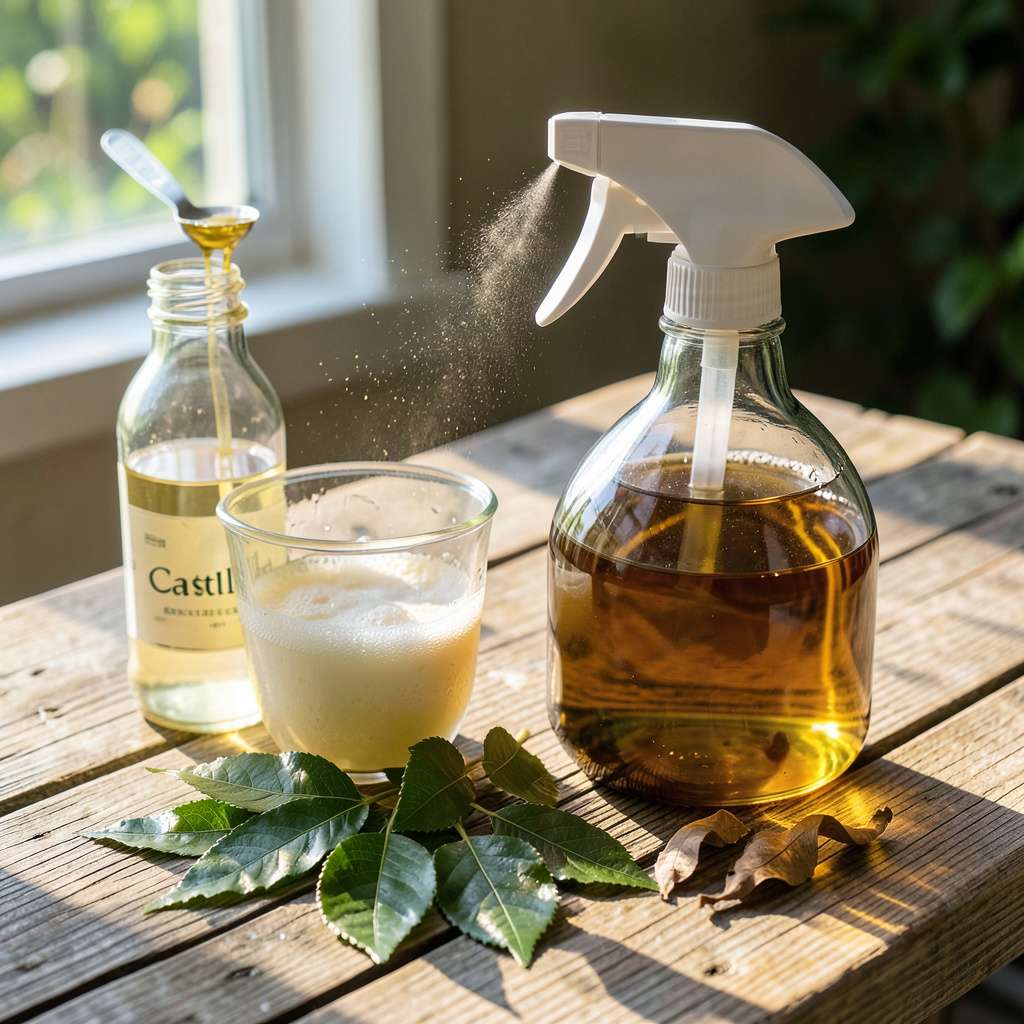
I’ll be real with you: neem oil changed how I handle garden problems. After losing three rose bushes to black spot and watching aphids destroy my kale overnight, I finally found something that works without harsh chemicals. This natural solution tackles both pests and fungal issues in one go—no mixing multiple sprays or hoping for the best.
The first time I used it, I was skeptical. Now it’s my go-to when I spot whiteflies on my tomatoes or that telltale powdery coating on squash leaves. What sold me? Seeing results within 24-48 hours—aphids gone, new growth coming in clean. The key is applying it correctly (timing matters more than you’d think) and understanding how it disrupts pests’ life cycles.
You’ll need just three things: cold-pressed neem oil, a mild soap to help it spread, and water. The mix smells earthy (not unpleasant, just… green) and leaves no harmful residue. I’ve used it on everything from delicate herbs to tough shrubs with zero damage when done right. Even my black thumb can’t mess this up.
Fair warning: it’s not a one-and-done miracle. Regular applications every 7-14 days keep problems from returning, but that’s still less work than constantly replacing dead plants. Whether you’re dealing with mites, mildew, or mysterious leaf spots, this approach gives you back control of your garden space.
📚 In This Guide
This method keeps your garden pest-free while protecting beneficial insects—no harsh chemicals required.
Start with 100% cold-pressed neem oil (not cosmetic or pre-mixed products). I use a clean 1-gallon sprayer dedicated only to neem applications to avoid cross-contamination. You’ll also need mild liquid soap (like Castile) as an emulsifier—this prevents the oil from separating in water.
Check the oil’s color before mixing: fresh neem oil is golden brown. If it’s dark or smells rancid, it’s lost potency. Store unopened bottles in a cool, dark place to maintain effectiveness for up to two years.
Mix 1 tablespoon neem oil, ½ teaspoon mild soap, and 1 gallon warm water in your sprayer. Shake vigorously until the solution turns milky white. The soap breaks the oil into tiny droplets that disperse evenly in water. Always mix fresh solution—neem oil loses effectiveness after 8 hours of being diluted.
Test the spray on a single leaf first. Wait 24 hours to check for any adverse reactions like leaf burn or discoloration. This is especially important for delicate plants like ferns or young seedlings with tender foliage.
Spray plants in the early morning or late evening when temperatures are below 85°F. Direct sunlight combined with neem oil can burn leaves. Cover both the top and underside of leaves—this is where pests hide and fungal spores develop.
Use a fine mist setting for even coverage. You want leaves to glisten but not drip. Reapply every 7-14 days as a preventive measure, or every 3-5 days if treating an active infestation. Always spray the soil lightly too—neem oil works systemically when absorbed through roots.
Check treated plants 24-48 hours after application. You should see reduced pest activity and no new damage. For severe infestations, you may need 3-4 applications before full control. Neem oil disrupts pest life cycles but doesn’t kill instantly like chemical pesticides.
After rain or overhead watering, reapply neem oil since water washes it away. Store mixed solution in a cool, dark place if you must keep it overnight, but remember its potency decreases rapidly. I mark my sprayer with the mixing date to track freshness.
Once pests are gone, switch to a monthly preventive spray during growing season. This keeps populations low before they become problematic. I combine neem applications with regular plant inspections—looking under leaves and along stems where pests first appear.
Rotate neem oil with other organic controls like insecticidal soap to prevent resistance. Never apply neem oil to drought-stressed plants or during flowering if you’re encouraging pollinators. The oil’s residual effect lasts about 45-60 minutes after drying, making it safe for bees once dry.
After years of testing neem oil applications in our own gardens, we’ve learned these key lessons that make all the difference in effectiveness.
Solution Preparation: When mixing your solution in Step 2, use warm water—not hot or cold. Warm water helps the 1 tablespoon neem oil and ½ teaspoon mild soap emulsify more completely, creating that milky white consistency that ensures even coverage. I always shake the sprayer vigorously for at least 30 seconds to guarantee proper mixing.
Timing Strategy: The 24-hour waiting period after testing on a single leaf (Step 2) is non-negotiable. We once skipped this step with a new batch of neem oil and ended up with burned leaves on our tomato plants. Different plant varieties react differently, so this test period saves you from potentially damaging your entire garden.
Application Technique: In Step 3, when spraying during those cooler below 85°F times, focus on thorough coverage of leaf undersides where pests lay eggs. We’ve found that using a fine mist setting and spraying from different angles ensures complete coverage without over-saturating the leaves, which can lead to fungal issues.
Storage Wisdom: While the instructions mention neem oil loses potency after 8 hours when diluted, we’ve successfully stored mixed solution overnight in a cool basement. Just mark your sprayer clearly with the mixing date and time, and use it first thing the next morning for best results. The potency does decrease, but it’s still better than wasting unused solution.
For pest control, spray diluted neem oil every 7–14 days (or weekly for severe infestations). As a fungicide, apply every 10–14 days or after rain. Always spray in the early morning/evening to avoid leaf burn.
Yes! Neem oil is safe for vegetables, herbs, and fruit trees, but stop spraying 1–2 weeks before harvest. Avoid using it on young seedlings or plants with delicate leaves (like lettuce). Always test a small area first.
For a foliar spray, mix 1–2 tsp neem oil + 1 tsp mild soap per 1 quart of water. Shake well before use! For soil drenches (root protection), use 1 tbsp per gallon of water.
Leaf burn usually happens due to sun exposure (spray in low light!) or undiluted oil. Other causes: hard water (use filtered) or overuse. Rinse leaves with water if burns appear and adjust your mix.
Yes! Try:
Neem oil is still the most versatile!
Neem oil is a game-changer for gardeners—offering a safe, natural way to tackle pests, fungi, and even boost plant health! 🌱 Whether you’re dealing with aphids, powdery mildew, or just want a preventive care routine, this versatile oil delivers without harsh chemicals.
Ready to give it a try? Start with a small test spray on a few leaves, then scale up as you see results. Your plants (and the environment) will thank you! Grab your supplies and happy gardening! 🌿
