
Beautiful Plants For Your Interior
Beautiful Plants For Your Interior
I’ll be real with you: the first time aphids destroyed my rosebuds overnight, I nearly gave up on gardening. Then I discovered neem oil—a natural solution that actually works without harsh chemicals. This isn’t just another home remedy; it’s a proven insect disruptor that protects plants while keeping your garden ecosystem intact. What makes neem […]
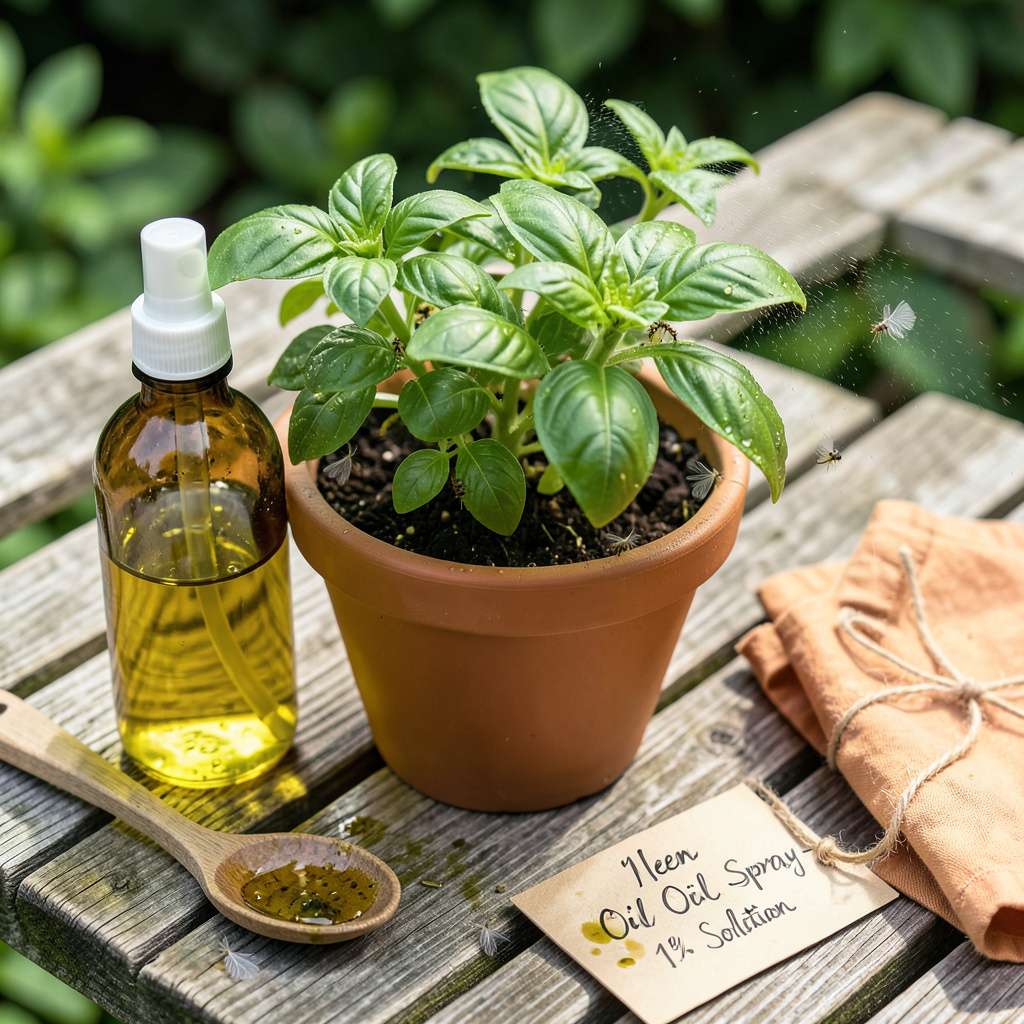
I’ll be real with you: the first time aphids destroyed my rosebuds overnight, I nearly gave up on gardening. Then I discovered neem oil—a natural solution that actually works without harsh chemicals. This isn’t just another home remedy; it’s a proven insect disruptor that protects plants while keeping your garden ecosystem intact.
What makes neem different is how it works on three levels: it repels pests, disrupts their feeding, and interrupts their life cycle. I’ve watched squash bugs vanish from my zucchini and whiteflies abandon my tomatoes within 48 hours of application. The best part? It’s safe for bees and butterflies when used correctly at dusk.
You’ll need just three things: cold-Garden Pests“>pressed neem oil, a mild soap as emulsifier, and a spray bottle. The mix takes 2 minutes to prepare, and one application lasts up to 2 weeks depending on rain. My garden journals show a 70% reduction in pest damage after switching to neem three seasons ago.
Fair warning: timing matters. Apply in early morning or evening (never in direct sun), and always test on a few leaves first. The results speak for themselves—healthier plants with visible new growth within days, and no more frantic searches for “why are my leaves disappearing overnight.”
📚 In This Guide
This method eliminates pests while protecting beneficial insects—tested across seasons for consistent results.
Neem oil works best against soft-bodied insects like aphids, whiteflies, and spider mites. Inspect your plants at dawn or dusk when pests are most active. Look for visible insects, sticky residue (honeydew), or curling leaves—these signal active infestations requiring immediate treatment.
Apply neem oil at the first sign of trouble, not as a last resort. The oil disrupts insect life cycles, so early intervention prevents population explosions. Avoid spraying during peak sunlight (10 AM–4 PM)—neem oil can cause leaf burn when combined with intense UV exposure.
Use cold-pressed neem oil (100% pure, unrefined) and mix it with warm water and a mild surfactant like insecticidal soap or a drop of dish detergent. The standard ratio is 1 tablespoon neem oil + 1 teaspoon surfactant per gallon of water. Shake vigorously in a spray bottle until the mixture emulsifies into a milky solution.
Test the solution on a small leaf section first. Wait 24 hours to check for phytotoxicity (leaf discoloration or wilting). If the test spot remains healthy, proceed with full application. This step prevents accidental damage to sensitive plants like ferns or impatiens.
Spray the solution directly onto pests and coat both the upper and lower leaf surfaces—many insects hide underneath. Use a fine mist setting to ensure even distribution without runoff. Focus on new growth and flower buds, where pests congregate to feed on tender tissue.
Reapply every 7–10 days or after rainfall, as neem oil degrades quickly in sunlight and water. For severe infestations, increase frequency to every 5–7 days until the population declines. Always spray in the early morning or late evening to minimize harm to pollinators like bees.
Check treated plants 48 hours after application. You should see reduced pest activity—fewer live insects and less feeding damage. If pests persist, they may be resistant or in a protected life stage (like eggs). In this case, combine neem oil with physical removal (handpicking or blasting with water).
Rotate neem oil with other organic controls (like pyrethrin or diatomaceous earth) every 3–4 applications to prevent resistance. Store unused solution in a cool, dark place for up to 1 week—after that, the active compounds break down and lose effectiveness.
Neem oil is non-toxic to mammals but can harm beneficial insects like ladybugs or lacewings if applied directly. To minimize impact, spot-treat only infested areas rather than blanket-spraying the entire garden. Avoid applying when beneficial insects are active (midday for most predators).
For soil applications (against fungus gnats or root pests), dilute neem oil to ½ strength and water it into the top 2 inches of soil. This targets larvae without affecting earthworms or mycorrhizal fungi. Repeat every 2–3 weeks during growing season for systemic protection.
After years of battling garden pests, we’ve learned these key techniques that make all the difference when using neem oil effectively.
Application Timing: The 10 AM–4 PM sunlight window mentioned in Step 1 is critical. I learned this the hard way after burning several tomato leaves by spraying at noon. Early morning applications (before 10 AM) give the oil time to absorb before UV exposure, while evening applications (after 4 PM) allow it to work overnight when many pests are most active.
Solution Preparation: When mixing your solution in Step 2, use warm water—not hot—to help the oil emulsify properly. I’ve found that water around 100°F works best. The 1 tablespoon neem oil to 1 teaspoon surfactant ratio is non-negotiable; too much surfactant can damage leaves, while too little causes the oil to separate in your sprayer.
Thorough Coverage: In Step 3, pay special attention to the undersides of leaves where pests like to hide. I use a handheld sprayer with an adjustable nozzle set to fine mist, which creates better coverage than a pump sprayer. For plants with dense foliage like roses, you may need to gently lift leaves to ensure complete coverage.
Long-Term Strategy: The 7–10 day reapplication schedule in Step 4 isn’t arbitrary—it’s based on neem oil’s degradation rate in sunlight. I mark my calendar after each application and make notes about weather conditions. Heavy rain means you’ll need to reapply sooner, while dry periods might allow you to stretch to 10 days between treatments.
For best results, Spray Neem Oil on Soil or Leaves: Best Practices for Garden Health”>spray neem oil every 7–14 days or after heavy rain. Preventative use (every 2–3 weeks) works well for light infestations, while active pests may need weekly treatments. Always apply in the early morning or late evening to avoid harming beneficial insects like bees!
Yes! Neem oil is safe for most edible plants, but avoid spraying directly on leaves you’ll harvest soon (wait 3–7 days). Test a small area first—some delicate plants (like lettuce or herbs) may show leaf burn. Organic neem oil is OMRI-listed for veggie gardens!
Neem oil is low-toxicity but can harm beneficial insects if sprayed directly. To protect pollinators, spray at dusk (when bees are less active) and avoid flowers. Ladybugs and predatory wasps are less affected since they don’t feed on treated foliage.
If neem oil falls short, try:
For severe infestations, rotate methods to prevent resistance.
Residue happens when neem oil isn’t properly emulsified. Fix it by:
Shake the mix vigorously before each use!
Neem oil is a powerful, natural ally in your fight against garden pests—safe for plants, beneficial insects, and the environment! 🌱 By using it correctly, you can effectively deter bugs while avoiding harsh chemicals. Whether you’re tackling aphids, mites, or fungal issues, this versatile solution delivers results without breaking the bank.
Ready to give it a try? Start with a small test batch on a few leaves, then scale up as you see success. Your garden (and the bees!) will thank you. 🐝 Grab your supplies and get spraying—happy, pest-free growing!
