
Beautiful Plants For Your Interior
Beautiful Plants For Your Interior
That moment you spot tiny webs on your juniper bonsai or notice black spots spreading across your maple’s leaves—every bonsai grower knows the panic. I’ve lost count of how many times pests or fungus threatened my collection before I discovered neem oil’s power. This natural solution handles everything from spider mites to powdery mildew without […]
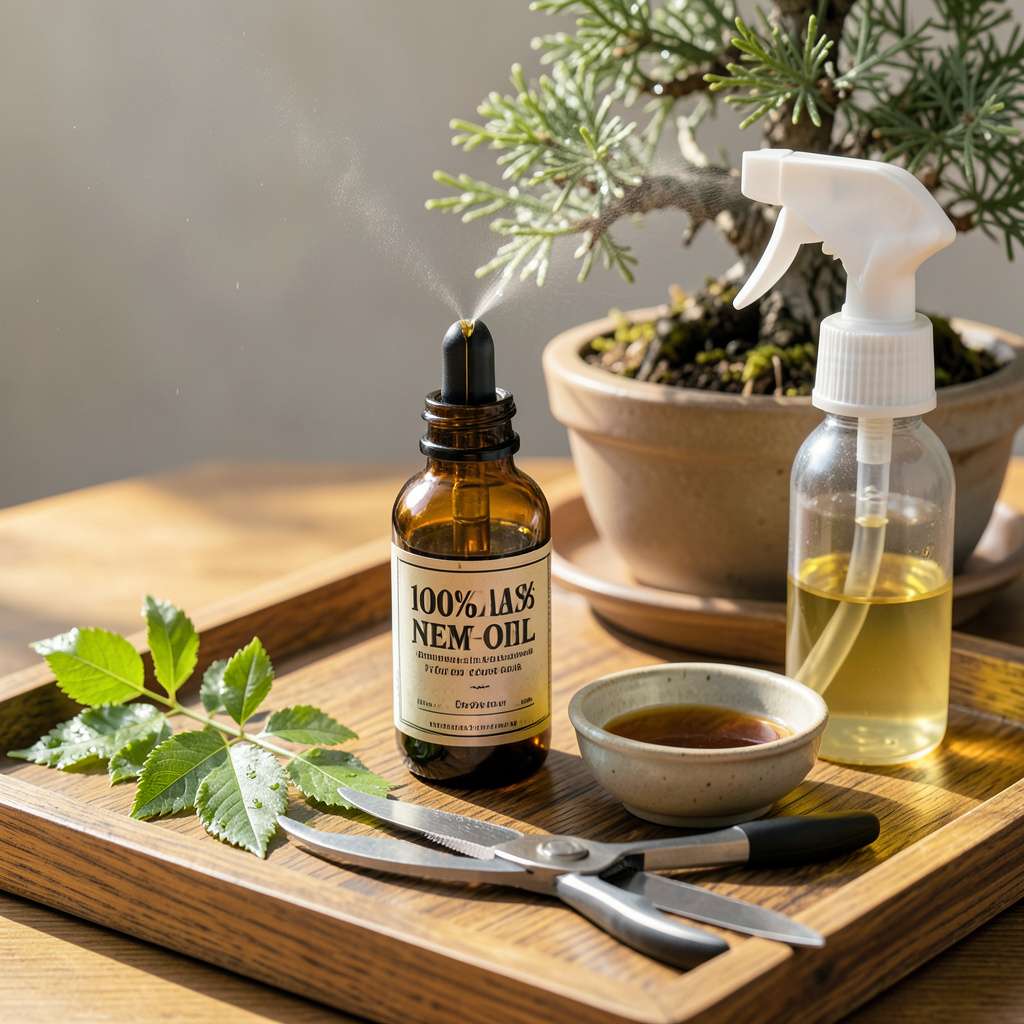
That moment you spot tiny webs on your juniper bonsai or notice black spots spreading across your maple’s leaves—every bonsai grower knows the panic. I’ve lost count of how many times pests or fungus threatened my collection before I discovered neem oil’s power. This natural solution handles everything from spider mites to powdery mildew without the chemical burn risk of traditional treatments.
The secret lies in proper dilution and timing. Too strong, and you’ll damage delicate foliage; too weak, and pests laugh it off. After years of testing, I’ve landed on the perfect 1 teaspoon per quart ratio that protects without harming. Application every 7-10 days during active infestations keeps problems in check while maintaining your tree’s health.
What surprised me most? How quickly trees respond. Within 48 hours of the first treatment, you’ll see pests retreating and new growth emerging cleaner. The oil leaves no residue, doesn’t alter leaf color, and actually improves foliage sheen over time. Even my finicky azalea bonsai thrives with this approach.
Fair warning: not all species react the same. Conifers handle it better than deciduous trees, and flowering varieties need extra care. But get it right, and you’ll have a pest management system that works as well for a 20-year-old pine as it does for a young ficus. Here’s exactly how to apply it safely.
📚 In This Guide
This method keeps your miniature trees pest-free while protecting their delicate foliage and structure.
Select 100% cold-pressed neem oil without additives—this pure form works best for bonsai’s sensitive systems. I avoid pre-mixed sprays because their concentrations often prove too strong for miniature trees. Check the label for “Azadirachtin” content (the active compound) and ensure it’s listed as the primary ingredient.
Purchase a small 1-2 ounce bottle to start—you’ll only need tiny amounts per application. Store the bottle in a cool, dark place between uses, as light and heat degrade neem oil’s effectiveness over time. The oil should remain clear with a golden-brown tint; cloudiness indicates it’s gone bad.
Mix 1 teaspoon neem oil with 1 teaspoon mild liquid soap (I use Castile) in 1 quart of warm water. The soap acts as an emulsifier, helping the oil disperse evenly in water. Shake vigorously in a spray bottle until the mixture turns milky white—this indicates proper emulsification.
Test the solution on one small branch first and wait 24 hours. Watch for any leaf discoloration or wilting. Bonsai leaves are particularly sensitive, so this test prevents damaging your entire tree. If no reaction occurs, proceed with full application.
Spray the mixture early in the morning or late afternoon when temperatures stay below 85°F. Direct sunlight combined with neem oil can burn leaves. Cover both the top and undersides of leaves—pests often hide underneath—and lightly coat the branches where insects may lay eggs.
Use a fine mist setting to avoid dripping, which can oversaturate the soil. I hold the spray bottle 8-10 inches away from the tree for even coverage. You’ll see the leaves glisten slightly when properly coated, but they shouldn’t appear wet or dripping.
Check your bonsai every 3-4 days for pest activity. Neem oil disrupts insect life cycles but doesn’t kill adults immediately, so you may still see some movement initially. Look for reduced numbers within 7-10 days—this indicates the treatment is working.
Reapply every 7-14 days for 4-6 weeks to break the pest cycle completely. I mark my calendar to stay consistent. After the initial treatment period, monthly applications maintain protection. Always re-test on a small area if you haven’t used the solution in over a month.
Rinse your spray bottle with hot, soapy water immediately after each use to prevent clogging. Neem oil residue hardens and becomes difficult to remove if left to dry. Store the bottle with the nozzle removed to allow complete drying between uses.
Keep your neem oil in its original container with the lid tightly sealed. I write the purchase date on the bottle and replace it after 12 months, as the active compounds degrade over time. Proper storage ensures you always have effective treatment ready when pests appear.
Working with neem oil on delicate bonsai requires attention to detail—here’s what I’ve learned from years of trial and error.
Solution Preparation: When mixing your neem oil solution in Step 2, use warm water (not hot) to help the oil emulsify properly. I’ve found that shaking the spray bottle for at least 30 seconds creates that ideal milky white appearance. If your mixture separates quickly, add another drop of mild liquid soap to stabilize it. The 24-hour test period on a small branch is non-negotiable—bonsai leaves are incredibly sensitive, and this step prevents irreversible damage to your entire tree.
Application Timing: The temperature guideline in Step 3 exists for good reason. I once applied neem oil at 90°F and saw leaf burn within hours. Early morning applications work best because the oil has time to absorb before daytime heat. If you must apply during warmer hours, move your bonsai to a shaded area for the day. Remember that 85°F threshold—it’s the difference between protection and damage.
Consistency is Key: The 7-14 day reapplication schedule in Step 4 might seem frequent, but it’s crucial for breaking pest life cycles. I mark my calendar and set phone reminders to stay on track. During the initial 4-6 week treatment period, don’t skip applications even if you don’t see pests—the oil works systemically to prevent future infestations. Monthly maintenance sprays afterward keep your bonsai resilient against new threats.
Storage Wisdom: For the neem oil storage mentioned in Step 5, I’ve learned that refrigeration extends shelf life beyond the 12-month guideline. Wrap the bottle in aluminum foil to block all light, then place it in the refrigerator door. Before each use, let it come to room temperature naturally—microwaving or heating can degrade the active compounds. This method has helped me maintain oil potency for up to 18 months.
For prevention, spray diluted neem oil every 2-4 weeks during growing season. If treating pests (like aphids or spider mites), apply weekly until the issue resolves. Always spray in the early morning or late evening to avoid leaf burn!
Most bonsai tolerate neem oil well, but avoid using it on juniper, pine, or cedar—their needles may react poorly. Test a small area first if unsure. Deciduous trees (maple, elm, ficus) usually handle it like a champ!
Dilute 1 tsp neem oil + ½ tsp mild soap per 1 quart (32 oz) of warm water. Shake well before spraying! For stubborn pests, increase to 2 tsp neem oil, but never exceed this—overuse can harm your tree.
Yes! Try insecticidal soap (for soft-bodied pests) or horticultural oil (for overwintering bugs). Diatomaceous earth (food-grade) works for crawling pests but avoid direct leaf contact. Rotate methods to prevent resistance!
Yellowing often means overapplication or sun exposure post-spray. Rinse leaves with water if you see residue, and skip the next treatment. If issues persist, check for root rot—neem oil won’t cause that!
Neem oil is a game-changer for bonsai lovers looking to protect their miniature masterpieces without harsh chemicals. 🌿 From repelling pests to promoting healthy foliage, its natural power keeps your trees thriving—safely and sustainably. Whether you’re tackling spider mites or preventing fungal issues, a little neem oil goes a long way!
Ready to give it a try? Start with a small test spray on a single branch to check for sensitivity, then embrace this eco-friendly solution as part of your regular bonsai care routine. Your trees (and the planet) will thank you! 🌱
