
Beautiful Plants For Your Interior
Beautiful Plants For Your Interior
There’s nothing worse than watching your apricot trees suffer from pests just as fruit begins to form. I’ve lost entire harvests to aphids and brown rot before discovering neem oil’s protective power. This organic solution doesn’t just treat problems—it prevents them while being gentle on beneficial insects and soil life. The first time I sprayed […]
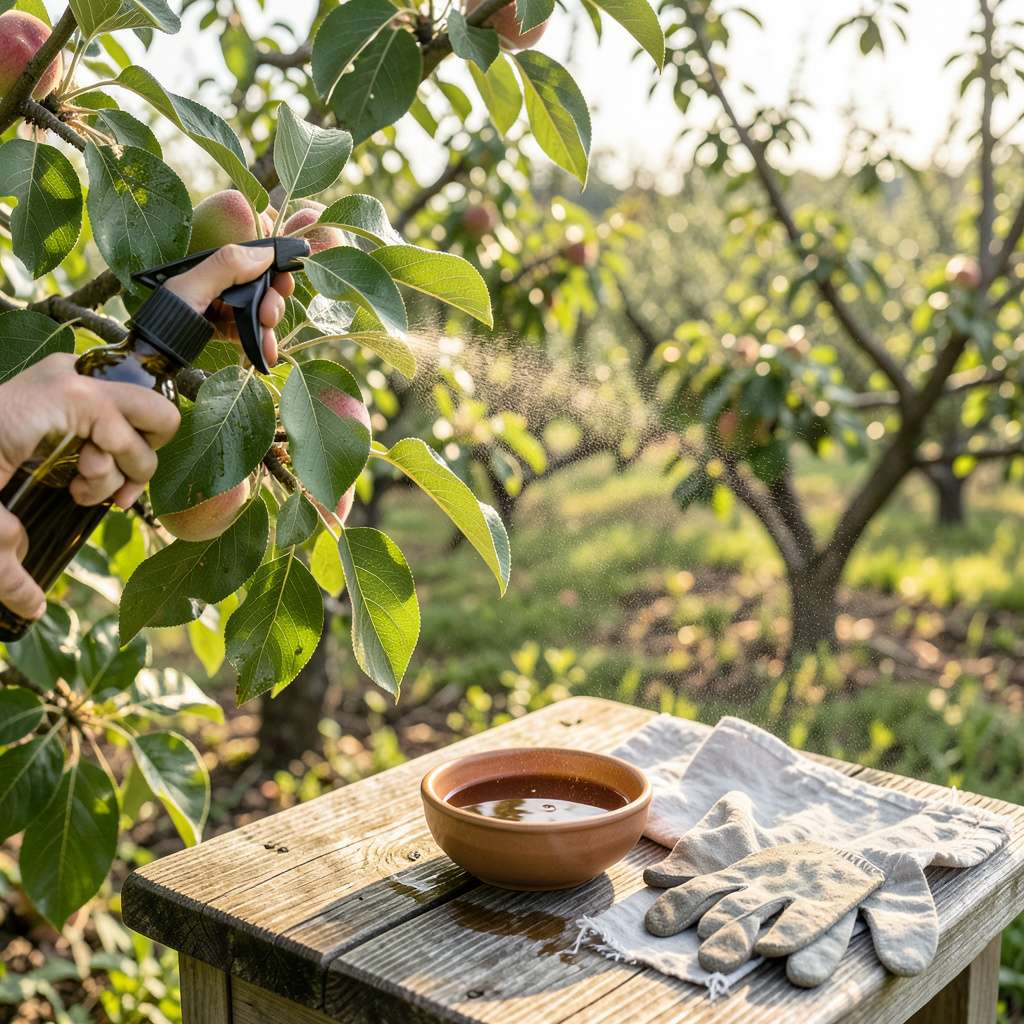
There’s nothing worse than watching your apricot trees suffer from pests just as fruit begins to form. I’ve lost entire harvests to aphids and brown rot before discovering neem oil’s protective power. This organic solution doesn’t just treat problems—it prevents them while being gentle on beneficial insects and soil life.
The first time I sprayed neem oil on my struggling apricot tree, I noticed fewer curled leaves within 48 hours. What surprised me most was how it worked on multiple fronts: deterring pests, preventing fungal spores from spreading, and even improving leaf health. The application process is simpler than you’d expect—no fancy equipment needed.
You’ll want to start treatments in early spring before pests become visible. A consistent schedule (every 10-14 days) creates an invisible shield around your tree. The oil leaves no harmful residue on fruit, and you can safely harvest apricots just days after application—something chemical sprays can’t offer.
Best of all, neem oil integrates seamlessly with other organic practices. I’ve combined it with proper pruning and soil care to create apricot trees so resilient they barely show pest pressure anymore. The difference between treated and untreated trees is shocking—especially when harvest season arrives.
📚 In This Guide
This method protects your trees from pests and diseases while keeping your harvest organic and thriving.
Apply neem oil in early morning or late evening when temperatures are below 90°F to prevent leaf burn. I always check the forecast first—rain within 24 hours will wash away the oil before it can work. Avoid spraying during bloom if bees are active; neem oil is non-toxic to pollinators once dry, but direct contact can harm them.
The best times are dormant season (late winter before buds swell) and growing season at 10-14 day intervals. You’ll see the biggest impact when you catch pests early—watch for curled leaves, sticky residue (aphid honeydew), or tiny webs indicating mites. These visual cues mean it’s time to act.
Use 100% cold-pressed neem oil (not pre-mixed sprays) for maximum potency. Mix 1 tablespoon neem oil with 1 teaspoon mild liquid soap (as an emulsifier) per 1 gallon of warm water. The soap helps the oil disperse evenly in water—without it, the oil separates and clogs your sprayer.
Shake the mixture vigorously in a sealed container until it turns creamy white. I strain it through cheesecloth to remove any undissolved particles that could clog my sprayer nozzle. Test the pH first if your water is hard; neem oil works best in slightly acidic conditions (pH 6.0-7.0).
Use a fine-mist sprayer to coat both sides of leaves, branches, and the trunk until they glisten but don’t drip. Pay special attention to leaf undersides where pests hide. For mature apricot trees, you’ll need 2-3 gallons of solution to achieve full coverage. Work systematically from the bottom up to ensure you don’t miss any areas.
Reapply every 7-10 days during active pest outbreaks, or maintain a biweekly schedule for prevention. You’ll know it’s working when you see reduced pest activity within 3-5 days. The oil disrupts insect life cycles, so consistency is key—don’t skip applications even if you don’t see pests immediately.
After application, check for phytotoxicity signs (leaf yellowing or browning) within 48 hours. If this occurs, dilute your next batch by 25% or apply only in cooler parts of the day. I keep a garden journal to track which concentrations work best during different seasons—spring applications often need slightly stronger mixes than summer ones.
Increase frequency to weekly during peak pest seasons (typically late spring to early summer for apricot trees). Combine with pruning infected branches and removing fallen leaves to break pest life cycles. The oil degrades in 4-7 days under UV light, so reapplication maintains protection without residue buildup.
After years of protecting apricot trees with neem oil, I’ve learned these key details that make all the difference between Pest Control for Healthy Harvests”>effective pest control and wasted effort.
Timing Secret: The 24-hour window before rain mentioned in Step 1 isn’t just a suggestion—it’s critical. I once applied neem oil the day before a light drizzle, thinking it would be fine, and lost the entire treatment. Even light rain can wash away the protective coating before it fully absorbs. Always check the hourly forecast, not just the daily overview, to catch unexpected showers.
Mixing Mastery: When preparing your solution in Step 2, the water temperature matters more than you might think. I use warm water (around 80°F) to help the neem oil emulsify properly with the soap. Cold water causes the oil to separate faster, leading to clogged sprayers. If you’re working with hard water, add a pinch of citric acid to reach that ideal 6.0-7.0 pH range—the difference in coverage is noticeable.
Application Technique: The “glisten but don’t drip” guidance in Step 3 requires practice to perfect. I found that holding the sprayer 12-18 inches from the tree and using a sweeping motion prevents over-application. For mature trees needing 2-3 gallons, work in sections: spray the lower branches first, then move upward. This systematic approach ensures you don’t miss spots or run out of solution halfway through.
Seasonal Adjustment: The 10-14 day interval mentioned for growing season works well, but I’ve noticed late summer applications often need adjustment. As temperatures approach 90°F, I shift to early morning applications only and sometimes dilute the mixture by 10% to prevent stress. The 48-hour monitoring period after application becomes even more crucial during heat waves—leaf burn can develop faster than expected.
Apply neem oil every 7–14 days during the growing season, or after heavy rain. For pest prevention, spray in early spring before buds swell. If treating an active infestation (like aphids or mites), reapply every 5–7 days until pests are gone. Always spray in the early morning or late evening to avoid leaf burn.
Yes! Neem oil is safe for edible fruit when used correctly. Stop spraying 2–3 weeks before harvest to ensure residue washes off. For organic compliance, use cold-pressed neem oil and avoid mixing with synthetic additives. Always rinse fruit thoroughly before eating.
What’s the best neem oil mix ratio for apricot trees?
Dilute 1–2 tablespoons of neem oil per gallon of water, plus ½ teaspoon of mild liquid soap (as an emulsifier). For severe infestations, use 2 tablespoons. Shake well before spraying to prevent clogging. Test on a small branch first to check for sensitivity.
If neem oil fails, try:
Rotate methods to prevent resistance.
Yellowing leaves may signal:
Flush leaves with water if irritation occurs.
Neem oil is a game-changer for keeping your apricot trees healthy and pest-free—without harsh chemicals! 🌿 By using it correctly, you’ll protect your harvest from aphids, fungal diseases, and more while supporting a thriving, organic garden.
Ready to give it a try? Start with a small test spray on a few leaves, then scale up as you see results. Your apricot trees (and future jam batches!) will thank you. Happy growing! 🍑✨
