
Beautiful Plants For Your Interior
Beautiful Plants For Your Interior
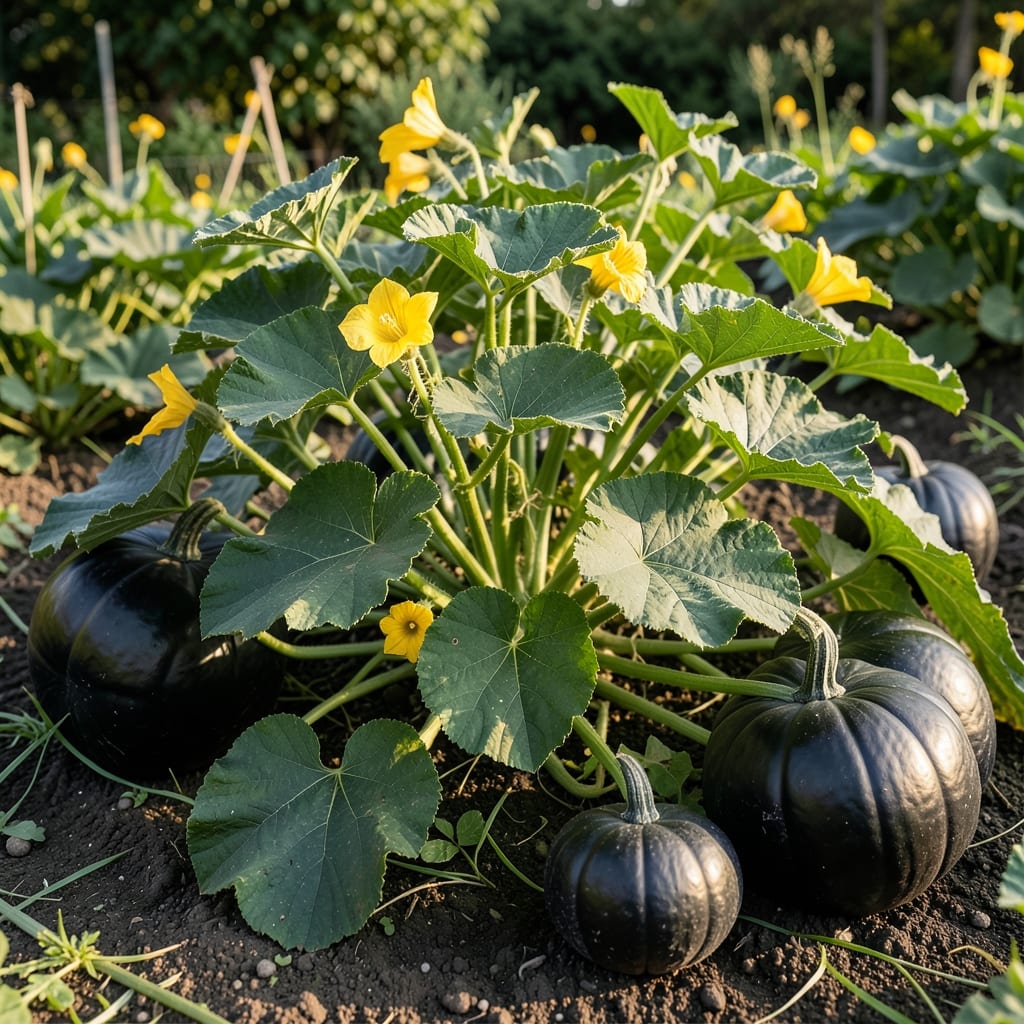
That first glimpse of a deep, midnight-black pumpkin emerging from the vine never gets old. I started growing these dark varieties after seeing one at a local farm stand, and the results have been shockingly dramatic in my garden.
These aren’t painted or dyed—they’re naturally this color, with a texture that’s almost metallic in full sun. The seeds are easy to find once you know where to look, and they thrive in the same conditions as traditional orange varieties.
📚 In This Guide
Follow these proven steps and you’ll cultivate striking, deep-hued pumpkins that stand out in any garden.
Choose a true black variety like ‘Black Futsu’ or ‘Black Knight’—these aren’t just dark green but develop a deep, matte black skin at maturity. I’ve found these perform best when started indoors 3-4 weeks before the last frost for a head start in cooler climates.
Pick a planting site with full sun (at least 6-8 hours daily) and well-draining soil. Avoid low spots where water pools after rain. The vines need room to sprawl, so plan for 5-6 feet between plants in all directions.
Work the soil to a depth of 12-18 inches, mixing in plenty of compost or aged manure. Pumpkins are heavy feeders, so rich soil is non-negotiable. I test my soil pH each spring—these varieties thrive in slightly acidic to neutral soil (6.0-6.8 pH).
Plant seeds 1 inch deep in small hills or mounds to improve drainage. Sow 4-5 seeds per hill, then thin to the strongest 2-3 seedlings once they develop 2-3 true leaves. This prevents overcrowding and ensures vigorous vines.
Keep soil evenly moist but never soggy—pumpkins have deep roots that need consistent hydration. I water deeply 1-2 times per week, depending on rainfall, aiming for 1-1.5 inches of water weekly. Use a soaker hose to avoid wetting the leaves, which invites disease.
Apply a 2-3 inch layer of straw or shredded leaves around plants to retain moisture and suppress weeds. The mulch also keeps the fruit clean and prevents rot. You’ll see vines spread rapidly once the weather warms—this is when consistent watering becomes critical.
Once vines begin to run, feed plants with a balanced fertilizer every 3-4 weeks. I switch to a low-nitrogen formula when fruit sets to encourage development rather than leafy growth. Watch for the first female flowers—they’ll have a tiny pumpkin at the base.
Hand-pollinate if bees are scarce by transferring pollen from male to female flowers with a small brush. You’ll notice the fruit swelling within 2-3 days if pollination is successful. Rotate pumpkins gently as they grow to ensure even color development on all sides.
These varieties reach full color when the skin turns completely black and the rind hardens. Test by pressing your thumbnail against the skin—if it resists puncturing, it’s ready. I harvest when the stem begins to dry and turn woody, usually 90-120 days after planting.
Cut the stem with 2-3 inches attached using clean pruners. Don’t carry the pumpkin by the stem—it can break and reduce storage life. Cure in the sun for 7-10 days to harden the skin further, then store in a cool, dry place until ready to use.
These small adjustments make a surprising difference in your harvest.
Site Selection: The 6-8 hours of full sun isn’t just a suggestion—it’s critical for that deep black color development. I learned this the hard way when my first attempt in partial shade produced greenish pumpkins. Choose the sunniest spot in your garden, even if it means sacrificing some convenience.
Soil Preparation: Don’t skimp on the 12-18 inches of soil depth. Pumpkin roots go deep, and shallow soil preparation leads to weak vines and small fruit. Mix in that compost thoroughly—these are heavy feeders that need rich soil to reach their full potential.
Watering Technique: The 1-2 times per week watering schedule works best when you water deeply each time. Light, frequent watering encourages shallow roots. Use that soaker hose as directed in Step 3 to keep leaves dry and prevent disease—this simple step saved my crop one particularly wet season.
Pollination Check: In Step 4, when you see fruit swelling within 2-3 days of hand-pollinating, that’s your confirmation it worked. If you don’t see this, try again the next morning. I’ve found early morning pollination has the highest success rate, as the flowers are most receptive then.
Some pumpkin varieties, like ‘Black Futsu’ or ‘Black Prince,’ are bred to develop deep black-green skin as they mature. This is normal and indicates ripeness, not disease.
Yes! Naturally black pumpkins are edible and often sweeter than orange varieties. Just ensure the flesh is firm and free of mold or rot before cooking.
Disease-related black spots are usually sunken, slimy, or accompanied by soft flesh. Natural black skin is uniform, smooth, and hard. Compare with healthy examples for clarity.
Plant in well-draining soil, provide full sun, and water consistently. Use compost for nutrients. These varieties thrive in warm climates with a long growing season (90-120 days).
Try ‘Charentais Black’ squash or ‘Black Beauty‘ zucchini for a similar look. These also offer unique flavors and textures for recipes.