
Beautiful Plants For Your Interior
Beautiful Plants For Your Interior
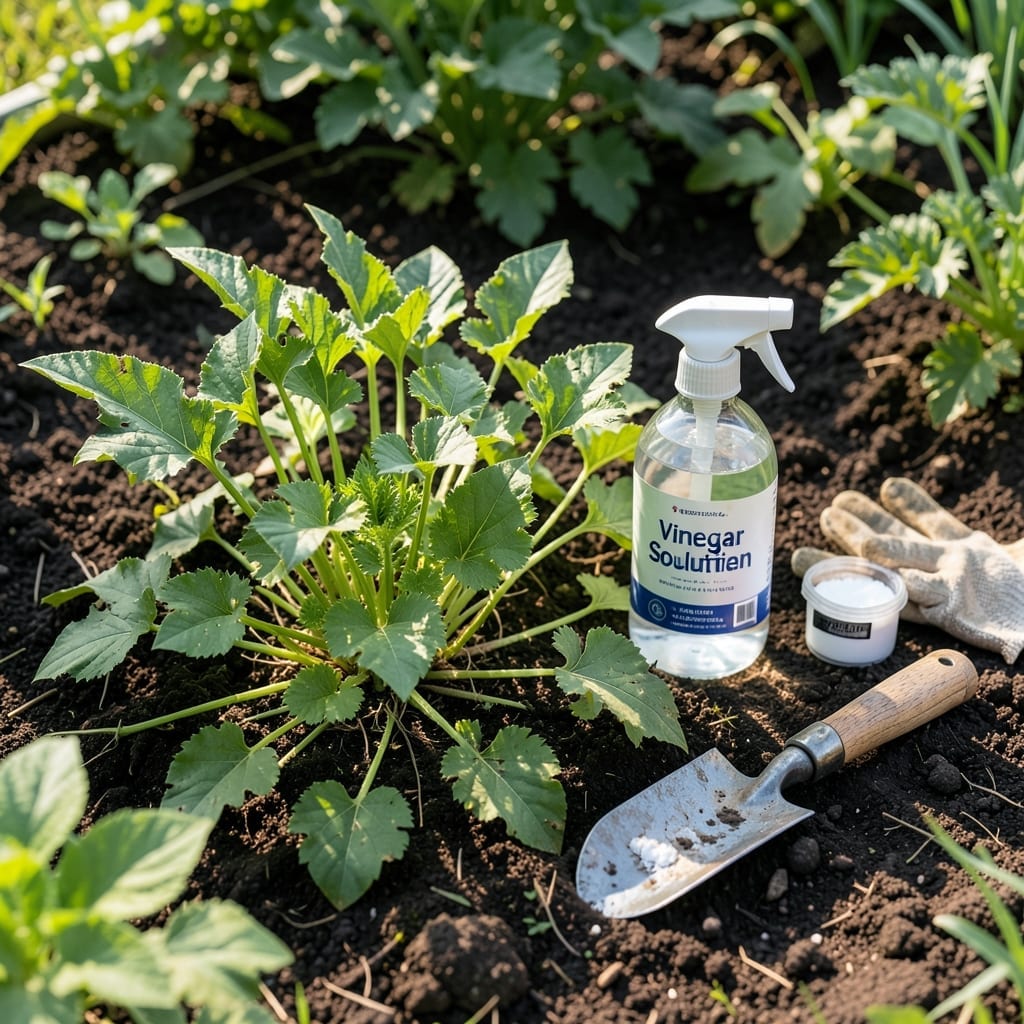
Tired of weeds overtaking your garden but wary of harsh chemicals? I’ve been there, staring at my flower beds in frustration. There’s a simple solution hiding in your pantry.
The 🍶 Vinegar you use for cooking can be transformed into a powerful, eco-friendly weed killer. It’s a game-changer for organic gardeners like us.
Let me show you how to harness this natural approach effectively. You’ll discover everything you need to reclaim your garden safely.
Creating a vinegar-based weed killer is simpler than you think. I’ve tested various methods, and the most effective starts with white vinegar for its high acetic acid content.
This approach works best on young weeds and in dry conditions. You’ll need just a few household items to get started.
I recommend using horticultural vinegar (20-30% acetic acid) for tougher weeds. It’s stronger than household vinegar but requires careful handling.
The dish soap acts as a surfactant, breaking down the weed’s natural defenses. This helps the vinegar penetrate the leaf surface more effectively.
For best results, apply in the morning when weeds are actively growing. Avoid spraying on windy days to prevent drift to desired plants.
You’ll see visible wilting within 24-48 hours. Some stubborn weeds may require a second application after a week.
Remember, vinegar is non-selective. It will kill any plant it touches, so shield nearby vegetation with cardboard or plastic.
This method is particularly effective for driveway cracks and patio weeds. I’ve found it works wonders on dandelions and crabgrass in my own garden.
Store any leftover mixture in a sealed container away from children and pets. The solution remains potent for several weeks if kept properly
While vinegar is a powerful natural weed killer, it’s important to weigh its benefits and drawbacks. I’ve used it extensively in my garden and found it works best when applied correctly.
Vinegar offers an eco-friendly alternative to chemical herbicides, but it has limitations you should consider before using it widely.
The biggest advantage is its environmental safety. Unlike synthetic herbicides, vinegar breaks down quickly in the soil without leaving harmful residues.
However, its non-selective nature means it will kill any plant it touches. I learned this the hard way when I accidentally sprayed my prized tomato plants. Always use a shield when applying near desired vegetation.
Vinegar works best on annual weeds and young perennials. For deep-rooted weeds like dandelions, you may need multiple applications or combine with other natural methods like boiling water.
Another consideration is its soil impact. Regular use can lower soil pH, making it less hospitable for some plants. I recommend using it sparingly and testing soil pH if you notice plant struggles.
For organic gardeners, vinegar is a valuable tool when used responsibly. It’s particularly effective for pathways and driveways where you want to eliminate all vegetation. 🌿