
Beautiful Plants For Your Interior
Beautiful Plants For Your Interior
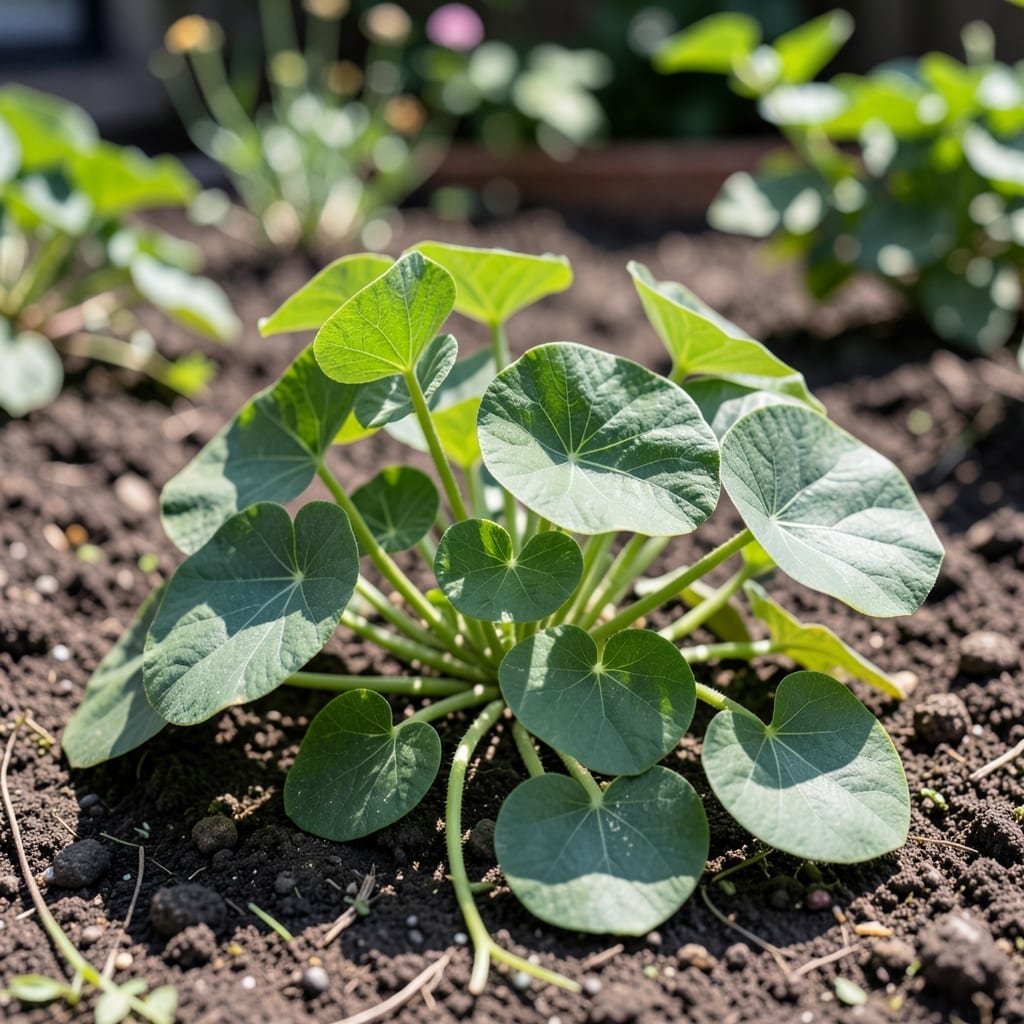
My nasturtiums once sat there, all leaves and no flowers, for 6 weeks. Turns out they were getting too much love—rich soil and frequent watering create lush foliage but zero blooms.
These plants thrive on neglect. They want full sun and poor, dry soil to focus energy on flowers instead of leaves. Over-fertilizing is the most common mistake that backfires spectacularly.
Cut back on watering, skip the fertilizer, and move them to where they get at least 6 hours of direct sunlight daily. The change is dramatic—buds appear within 10 days.
Even the most stubborn plants will respond. The solution is simpler than you think and works every time.
Several factors can prevent nasturtiums from blooming, and understanding these causes is the first step toward a vibrant garden. Below are the most common reasons, explained with actionable insights.
Nasturtiums are sun-loving plants that require at least 6–8 hours of direct sunlight daily. Without adequate light, they focus energy on foliage rather than flowers. Shaded areas or overhanging trees can block the necessary rays. Solution: Relocate plants to a sunnier spot or trim nearby obstructions.
Too much water or soggy soil suffocates roots, leading to stunted growth and no blooms. Nasturtiums thrive in well-draining soil and prefer slightly dry conditions between waterings. Solution: Water only when the top inch of soil is dry, and ensure pots have drainage holes.
While it may seem counterintuitive, over-fertilizing—especially with nitrogen-rich formulas—promotes leafy growth at the expense of flowers. Nasturtiums are low-maintenance and bloom best in moderately poor soil. Solution: Use a balanced, low-nitrogen fertilizer sparingly or opt for compost.
Extreme heat (above 90°F) or cold snaps can delay or halt blooming. Nasturtiums prefer mild temperatures (60–75°F). Solution: Provide afternoon shade in hot climates or use row covers in cooler regions to stabilize conditions.
Planting too early in cold soil can shock nasturtiums, stunting their development. Wait until after the last frost when soil temperatures reach at least 55°F. Solution: Start seeds indoors 4–6 weeks before transplanting or sow directly once the weather warms.
If your nasturtiums are stubbornly refusing to bloom, don’t worry—there’s almost always a simple fix. Below are targeted solutions for the most common causes, along with prevention tips to keep your plants thriving and flowering all season long.
Nasturtiums need full sun (6+ hours daily) to produce flowers. If they’re in a shady spot, move them to a sunnier location. For container-grown plants, shift pots to a south-facing balcony or patio. Prevention tip: 💡 Plant in the sunniest part of your garden from the start, or use a sunlight calculator app to track exposure before sowing.
Soggy roots = no blooms. Let the soil dry slightly between waterings, and ensure pots have drainage holes. If your garden soil is heavy clay, mix in compost or sand to improve drainage. Prevention tip: ✨ Water only when the top inch of soil feels dry, and always use well-draining soil mixes.
Nasturtiums bloom best in poor to average soil. Excess nitrogen (common in general-purpose fertilizers) promotes leafy growth at the expense of flowers. Switch to a low-nitrogen, phosphorus-rich fertilizer, or stop fertilizing altogether. Prevention tip: 🎯 Avoid high-nitrogen feeds and opt for a 5-10-10 formula if you must fertilize.
If your nasturtiums are newly planted, they may need time to establish roots before flowering. This can take 4-6 weeks from seed. Ensure they’re getting enough light and water, then give them time. Prevention tip: 🌡️ Start seeds indoors 2-3 weeks before the last frost to get a head start on the growing season.
Overcrowded plants compete for resources, stunting bloom production. Thin seedlings to 12-18 inches apart or transplant crowded clumps into separate containers. Prevention tip: ✨ Space seeds properly at planting (follow packet instructions) to avoid overcrowding later.
Nasturtiums typically bloom within 4-6 weeks from seed. If they’re getting enough sun and aren’t overwatered, you should see buds forming around this time. Patience is key!
They’ll grow in partial shade but bloom poorly. For best results, aim for 6+ hours of direct sunlight daily. Too little light shifts energy to foliage instead of flowers.
Yes! Removing faded flowers encourages more blooms. This prevents the plant from putting energy into seed production, so it’ll keep flowering longer.
Ground soil is often richer, leading to excess foliage. Containers with well-draining soil and less fertilizer mimic their preferred poor conditions. Try amending garden soil with sand.