
Beautiful Plants For Your Interior
Beautiful Plants For Your Interior
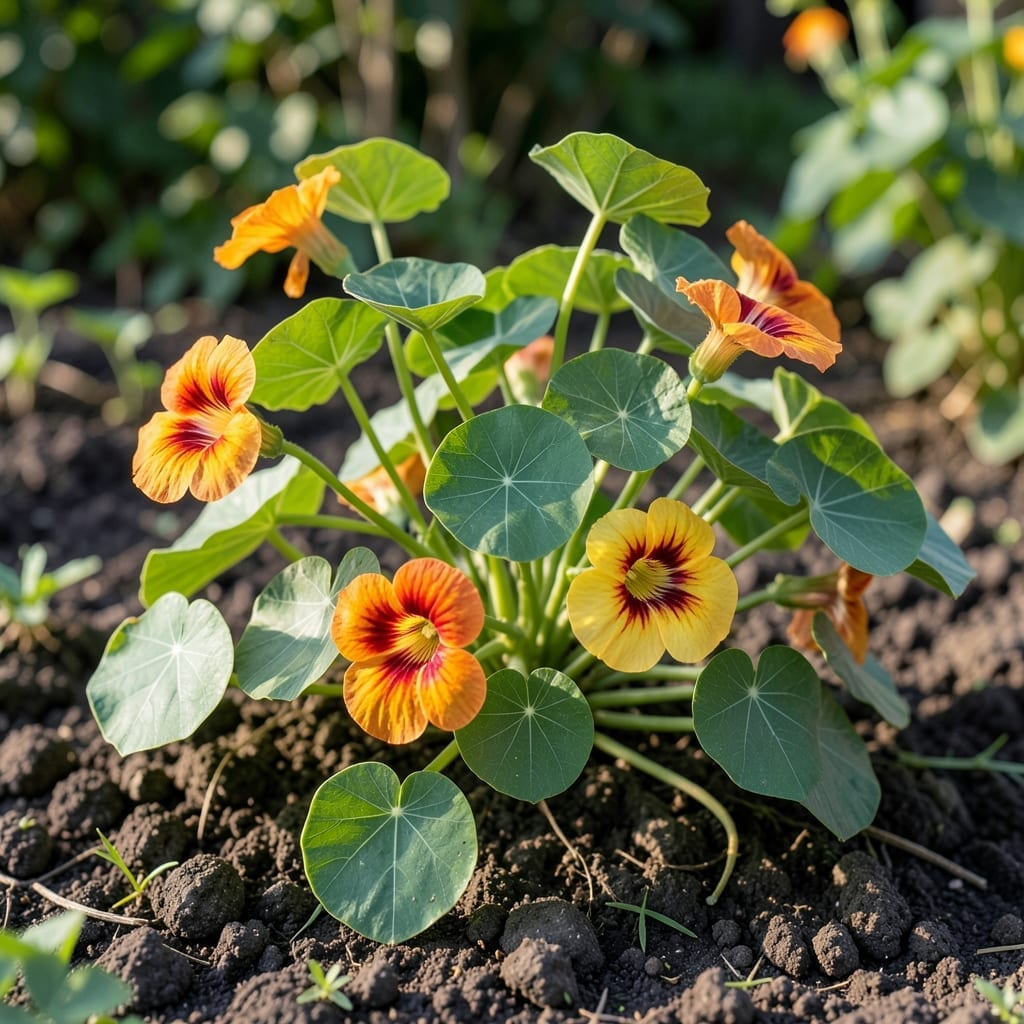
Nasturtiums bring vibrant colors and edible leaves to any garden, but their success depends on one key factor: light. Too much or too little can make or break your 🌼 Nasturtium display.
I’ve seen these resilient plants thrive in different conditions, but there’s a sweet spot that ensures the best blooms and healthiest growth. Getting it right means more flowers and fewer headaches.
Discover how to balance sun and shade for your Nasturtiums and watch them flourish like never before.
 Best Window Placement
If you’ve ever wondered whether nasturtiums prefer basking in full sun or thriving in shade, you’re not alone. These cheerful flowers are surprisingly adaptable, but their growth and blooming depend heavily on light exposure.
In my experience, nasturtiums perform best with 6+ hours of direct sunlight daily. This ensures vibrant blooms and compact, healthy foliage. However, they can tolerate partial shade, especially in hotter climates where afternoon shade protects them from scorching.
| Light Condition | Hours of Sun | Effect on Growth |
|---|---|---|
| Full Sun | 6+ hours | Best blooms, compact growth |
| Partial Shade | 3-6 hours | Good blooms, taller stems |
| Full Shade | <3 hours | Leggy, fewer flowers |
For optimal results, I recommend planting nasturtiums in a sunny spot with some afternoon shade in warmer regions. This balance prevents leaf scorch while maximizing flower production.
In partial shade, nasturtiums will still grow but may produce fewer flowers and develop longer, leggy stems as they stretch toward the light. If shade is unavoidable, ensure they receive at least 3-4 hours of sunlight daily.
Full shade is the least ideal. Nasturtiums grown in deep shade often become sparse and weak, with minimal blooming. If you’re stuck with a shady garden, consider container planting to move pots to sunnier spots as needed.
I’ve found that morning sun is particularly beneficial for nasturtiums. It dries dew quickly, reducing the risk of fungal diseases like powdery mildew, which these plants can be prone to in damp conditions.
If you’re growing nasturtiums for their edible leaves and flowers, full sun enhances their peppery flavor. Shade-grown nasturtiums tend to have a milder taste, which some gardeners prefer for salads.
For those in hot climates, providing dappled shade during the hottest part of the day can prevent wilting and keep plants looking fresh. Mulching around the base helps retain moisture without waterlogging the roots.
Remember, nasturtiums are low-maintenance, but their light needs are non-negotiable for the best display. Experiment with different spots in your garden to see where they thrive most.
With the right balance of sun and shade, your nasturtiums will reward you with a season-long show of color and flavor 🌼
Once you know nasturtiums thrive in 6+ hours of sun, the next step is tailoring their care. I’ve found that light conditions directly impact watering, soil, and spacing needs.
In full sun, nasturtiums need more frequent watering to prevent wilting. I water mine every 2-3 days during peak summer, always in the morning to reduce evaporation.
For partial shade plants, I reduce watering since soil stays moist longer. However, I add a balanced fertilizer every 4-6 weeks to compensate for slower growth.
In full shade, overwatering is a common mistake. I check soil moisture with my finger before watering and ensure pots have drainage holes to prevent root rot.
I always space nasturtiums 10-12 inches apart regardless of light. This improves air circulation, reducing fungal disease risk, especially in humid or shaded areas.
For container-grown nasturtiums, I move pots to follow the sun. Morning sun with afternoon shade works wonders in hot climates, preventing leaf scorch while keeping blooms vibrant 🌼