
Beautiful Plants For Your Interior
Beautiful Plants For Your Interior
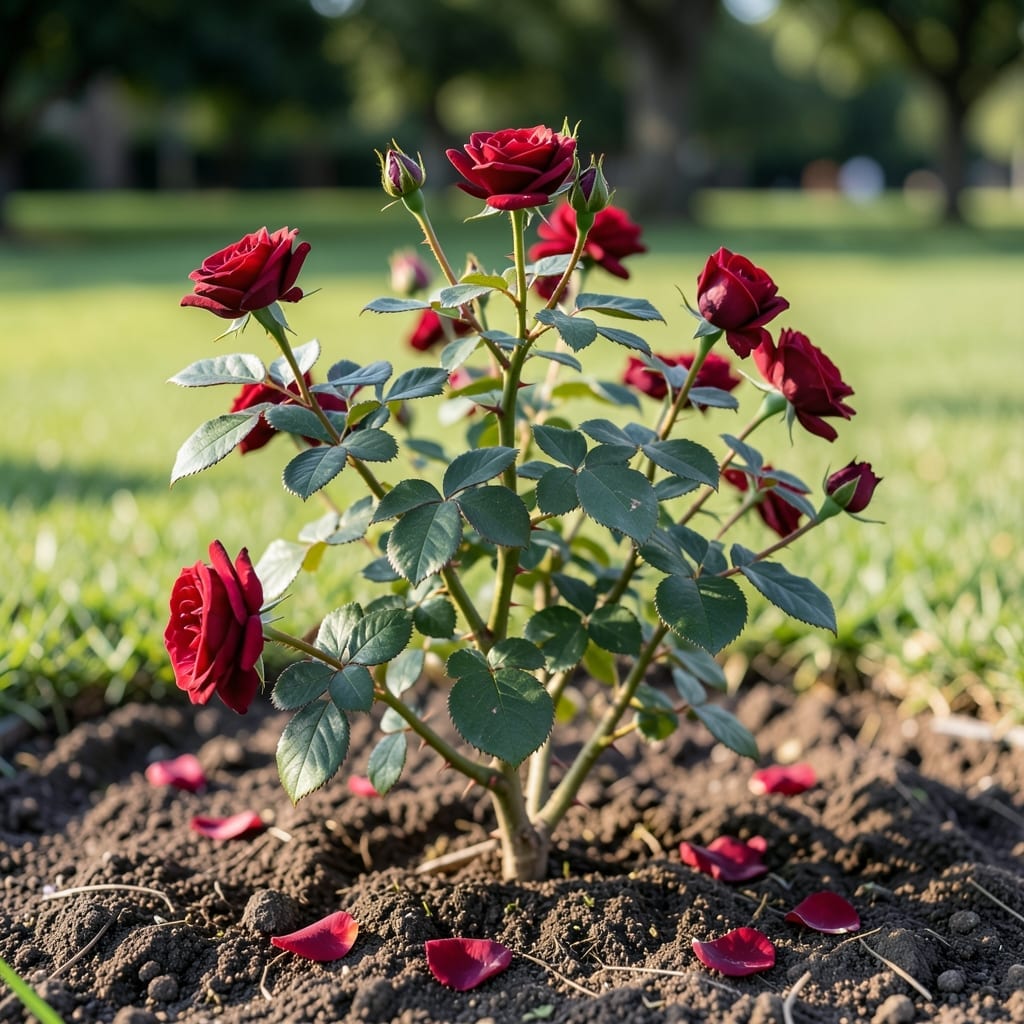
Thorny plants aren’t just nature’s defense mechanism—they’re a gardener’s secret weapon for security, privacy, and low-maintenance beauty.
Whether you want to deter intruders or add striking texture to your landscape, these spiky species deliver both function and flair. From the elegant Blackberry 🫐 to the formidable hawthorn, there’s a perfect match for every garden.
I’ve seen firsthand how the right thorny plants can transform a space. They create natural barriers while adding visual interest that’s anything but ordinary.
Discover how to harness their power and choose the best varieties for your needs. Let’s explore what makes these plants so uniquely valuable.
If you’re looking to add natural protection and visual interest to your garden, thorny plants are an excellent choice. These spiky species serve as living barriers while enhancing your landscape’s aesthetic appeal.
From classic roses to hardy hawthorns, thorny plants come in various shapes and sizes, each offering unique benefits for security and privacy. They’re perfect for creating impenetrable hedges or adding texture to flower beds.
| Plant | Type | Best Use | USDA Zones |
|---|---|---|---|
| Rose | Shrub | Ornamental | 4-10 |
| Hawthorn | Tree | Security hedge | 3-7 |
| Barberry | Shrub | Privacy screen | 4-8 |
| Blackberry | Bramble | Edible barrier | 5-10 |
| Pyracantha | Shrub | Defensive hedge | 6-9 |
I love using Pyracantha for its dense thorns and vibrant berries. It creates an effective barrier while providing year-round interest with its evergreen foliage and colorful fruit.
Barberry shrubs are another favorite for their compact size and purple foliage. They’re ideal for low-maintenance gardens and work well as foundation plantings or border hedges.
For taller security, consider Hawthorn trees. Their long thorns and tough branches make them nearly impenetrable, perfect for property boundaries or wildlife deterrence.
Roses aren’t just beautiful—they’re naturally defensive. Varieties like Rugosa roses have large thorns and can form impassable thickets over time. Plus, they reward you with gorgeous blooms.
When planting thorny species, I recommend wearing heavy gloves and using long-handled tools. Space plants according to their mature size to avoid overcrowding and ensure proper air circulation.
Remember that thorny plants often require minimal care once established. Most are drought-tolerant and pest-resistant, making them an excellent choice for low-maintenance landscapes.
For the best results, plant your thorny species in well-draining soil and provide full sun to partial shade. This will ensure they grow vigorous and healthy, maximizing their defensive qualities. ✂️
Selecting climate-appropriate thorny plants ensures they thrive while serving their purpose. I always check USDA hardiness zones first—hawthorn loves zones 4-8, while bougainvillea needs 9-11 for warmth.
Soil and sunlight requirements matter just as much. Barberry shrubs tolerate dry soil and full sun, but holly prefers moist, acidic ground with partial shade in hotter areas.
For security barriers, I recommend fast-growing options like blackberry brambles or honey locust. These form dense, impenetrable thickets in just 2-3 years with minimal care.
If ornamental value is your goal, thorny roses or cactus varieties add striking blooms and architectural interest. Their spines deter deer while attracting pollinators like bees.
Always consider maintenance needs. Some thorny plants, like bougainvillea, require regular pruning to control their aggressive growth, while others, such as holly, stay neat with occasional trimming.
Finally, local regulations may restrict certain invasive species. Check with extension services before planting non-native thorny varieties to avoid ecological harm. ✂️