
Beautiful Plants For Your Interior
Beautiful Plants For Your Interior
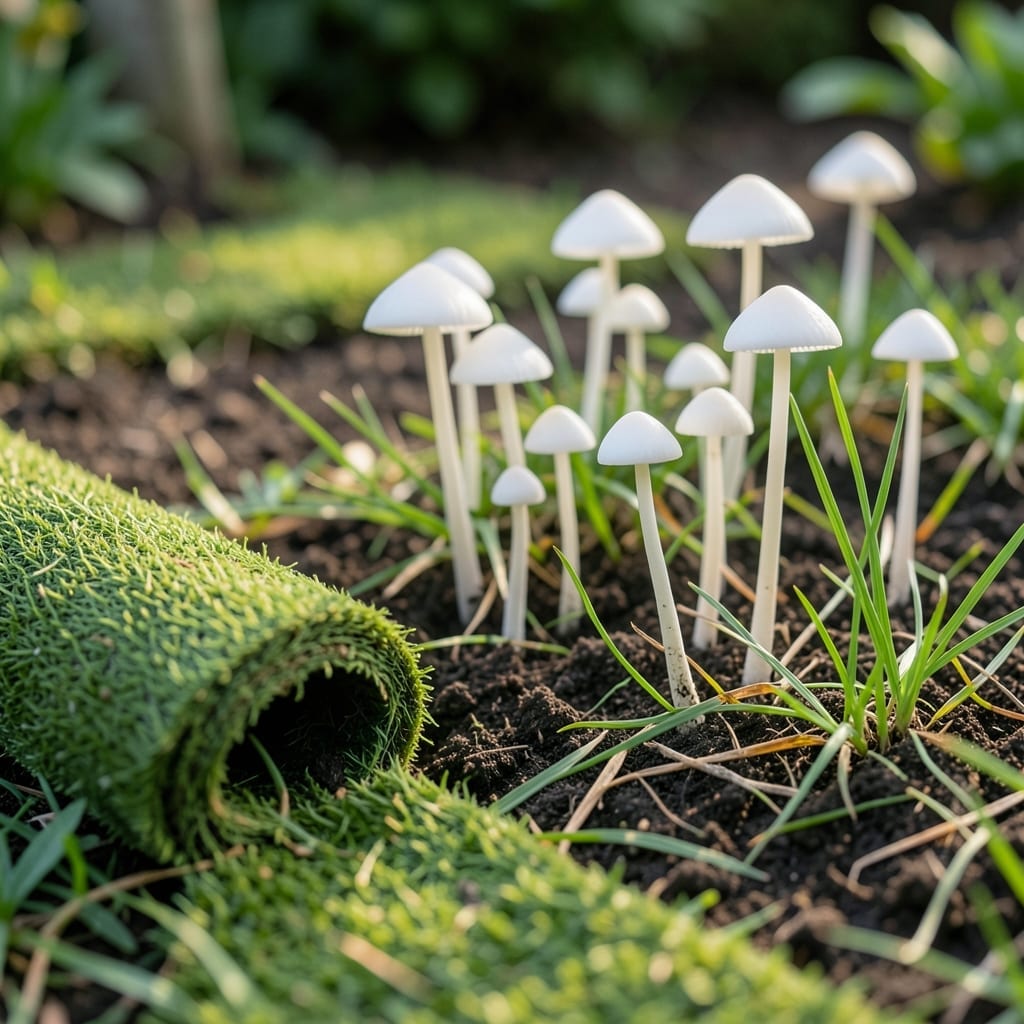
New sod looking more like a forest floor than a lawn? I’ve been there—waking up to a crop of mushrooms overnight feels like a garden prank gone wrong.
The culprit is usually buried organic matter breaking down under your fresh sod. Add extra moisture from rain or watering, and you’ve created the perfect mushroom hotel. They’re not dangerous, but they’re definitely not the look you’re going for.
Removal is simple: pluck them as they appear, but the real fix is addressing what’s underneath. A quick rake to disturb the surface helps, but improving drainage stops them from coming back.
Prevention starts before you lay the sod—clear all wood, leaves, and debris from the soil. This one step saves you a season of surprise fungi and keeps your lawn looking sharp.
Mushrooms sprouting in new sod often stem from natural, underlying conditions. Here’s why they appear and how the environment plays a role:
New sod is typically laid over a layer of rich, organic soil or compost. As this material decomposes, it releases nutrients and creates the perfect breeding ground for fungal spores already present in the soil. Fungi thrive on decaying organic matter, and the decomposition process accelerates in moist, warm conditions—common after sod installation.
Overwatering or poor drainage can saturate the soil, creating an ideal habitat for mushrooms. New sod requires consistent moisture to establish roots, but too much water reduces oxygen levels in the soil, favoring fungal growth. Shaded areas or low-lying spots are especially prone to this issue.
Fungal spores are naturally present in most soils, lying dormant until conditions are right. When you lay new sod, you disturb the soil, bringing these spores to the surface. Warm temperatures, high humidity, and organic material activate them, leading to mushroom growth within days or weeks.
Thick sod layers or compacted soil can restrict airflow, trapping moisture and heat. This stagnant environment encourages fungal development, as mushrooms flourish in areas with limited oxygen and high humidity. Proper aeration can help mitigate this.
Mushrooms popping up in your fresh sod can be frustrating, but don’t worry—solutions are straightforward. Below are actionable fixes for the most common causes, plus tips to keep them from coming back.
If overwatering or poor drainage is the culprit, reduce watering frequency and ensure your lawn has proper drainage. Aerate compacted soil to help water absorb better, and consider installing French drains if your yard holds water. Prevention tip: Water deeply but less often—early morning is best to allow surface moisture to evaporate.
Mushrooms thrive on buried wood, leaves, or old roots. Dig up the affected area, remove all organic debris, and replace with fresh, clean topsoil before re-sodding. Prevention tip: Clear the site thoroughly before laying new sod, and avoid using wood-based mulches near the lawn.
If your soil is too rich in organic matter or unbalanced, mix in sand or compost to improve texture and reduce fungal growth. A soil test can help you adjust pH or nutrient levels. Prevention tip: Use a balanced fertilizer and avoid over-fertilizing with nitrogen-heavy products.
For persistent mushrooms, apply a lawn-safe fungicide labeled for fungi. Follow the product instructions carefully, and reapply as needed. Prevention tip: Rake up mushrooms before they release spores to prevent further spread.
💡 Pro tip: Regular mowing and proper lawn care keep your sod healthy and less hospitable to mushrooms!
No, they’re generally harmless to the grass itself. However, they can indicate underlying issues like excess moisture or buried organic matter that may affect sod health long-term.
Plucking visible mushrooms removes the problem immediately, but new ones may appear within 1-2 weeks if conditions remain ideal. Addressing moisture or debris is key for lasting results.
Improve drainage, reduce watering, and remove buried wood or leaves before laying sod. Aerating compacted soil also helps deter future growth naturally.