
Beautiful Plants For Your Interior
Beautiful Plants For Your Interior
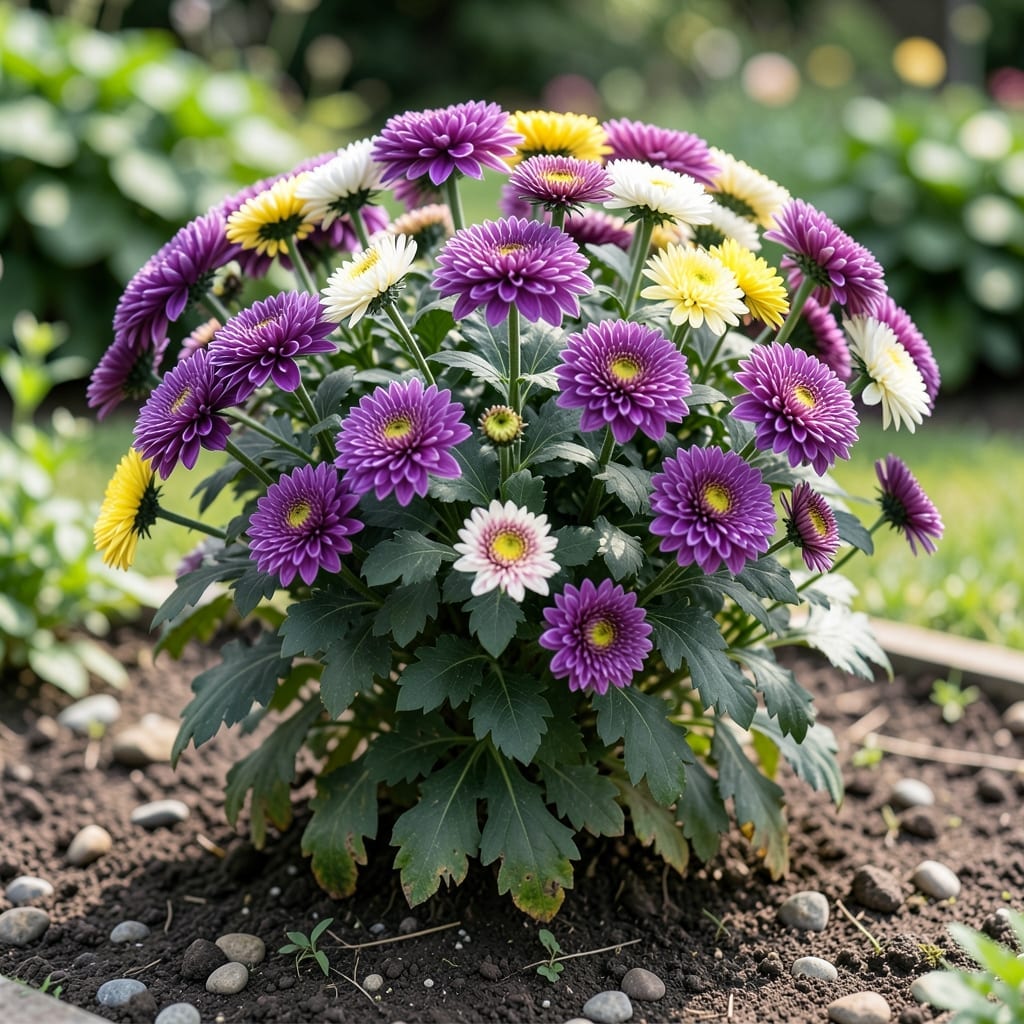
There’s nothing quite like watching your garden burst with color just as summer fades. The Chrysanthemum 🌼 is nature’s way of keeping the show going, but timing its blooms can feel like a mystery.
I’ve learned that understanding when these beauties flower makes all the difference in planning your seasonal display. Whether you’re in zone 5-9 or just love a pop of autumn color, getting this right is a game-changer.
Let me walk you through what to expect and how to make the most of your mum’s flowering season. You’ll be amazed at how a little knowledge can transform your garden.
I’ve found that garden mums and florist mums follow completely different bloom schedules. This distinction is crucial for planning your garden’s color timeline. Garden mums are hardy perennials that return yearly with proper care.
Florist mums, on the other hand, are treated as seasonal annuals. They’re bred for short-term display rather than long-term growth. Their bloom time is often manipulated for holiday sales, which affects their natural cycle.
| Variety | Bloom Time | Type | Hardiness |
|---|---|---|---|
| Garden Mums | Late Summer to Fall | Perennial | Zones 5-9 |
| Florist Mums | Forced Year-Round | Annual | Not Hardy |
| Early Bloomers | August to September | Perennial | Zones 5-9 |
| Late Bloomers | October to Frost | Perennial | Zones 5-9 |
Garden mums typically bloom from late summer through fall, with exact timing varying by cultivar. Early varieties may start in August, while late bloomers can last until the first frost.
In my experience, climate plays a huge role. In warmer zones like 9, mums may bloom earlier, while in cooler zones like 5, the same variety might flower later. This adaptability makes them versatile for many gardens.
Florist mums are often forced to bloom for specific holidays like Mother’s Day or Thanksgiving. This artificial timing means they won’t follow natural seasonal patterns if planted outdoors.
If you’re planting garden mums, choose varieties labeled with their bloom time. For example, ‘Sheffield Pink’ is an early bloomer, while ‘Ryan’s Pink’ flowers later in the season.
I recommend grouping early, mid, and late bloomers together. This creates a continuous display from late summer through fall. It’s a simple trick that keeps your garden vibrant for months.
Remember that day length triggers blooming in mums. They’re short-day plants, meaning they flower when days get shorter. This is why they’re perfect for fall color in most regions.
For the longest bloom period, plant in full sun and well-draining soil. These conditions help mums reach their full potential, whether they’re early or late bloomers. ☀️
I’ve discovered several effective techniques to control when your mums bloom. These methods help you extend color or delay flowering for a more synchronized display. It’s all about understanding their growth cycle.
One of my favorite tricks is pinching back the new growth in early summer. This encourages bushier plants with more flower buds, which can extend the blooming period significantly.
For earlier blooms, I recommend planting mums in full sun and providing consistent moisture. This helps them mature faster and flower sooner in the season.
If you want to delay blooming, try covering plants with blackout fabric for part of the day. Since mums are short-day plants, reducing light exposure can postpone flowering.
I’ve had great success with container growing to control bloom times. By moving pots to shadier spots, I can manipulate their light exposure and adjust their flowering schedule as needed.
Remember that deadheading spent blooms encourages the plant to produce more flowers. This simple practice can extend your mums’ bloom time by several weeks. ✂️
Finally, consistent care is key. Mums respond best to regular watering and balanced fertilization. With these techniques, you can enjoy beautiful blooms from late summer well into fall. 🌼