
Beautiful Plants For Your Interior
Beautiful Plants For Your Interior
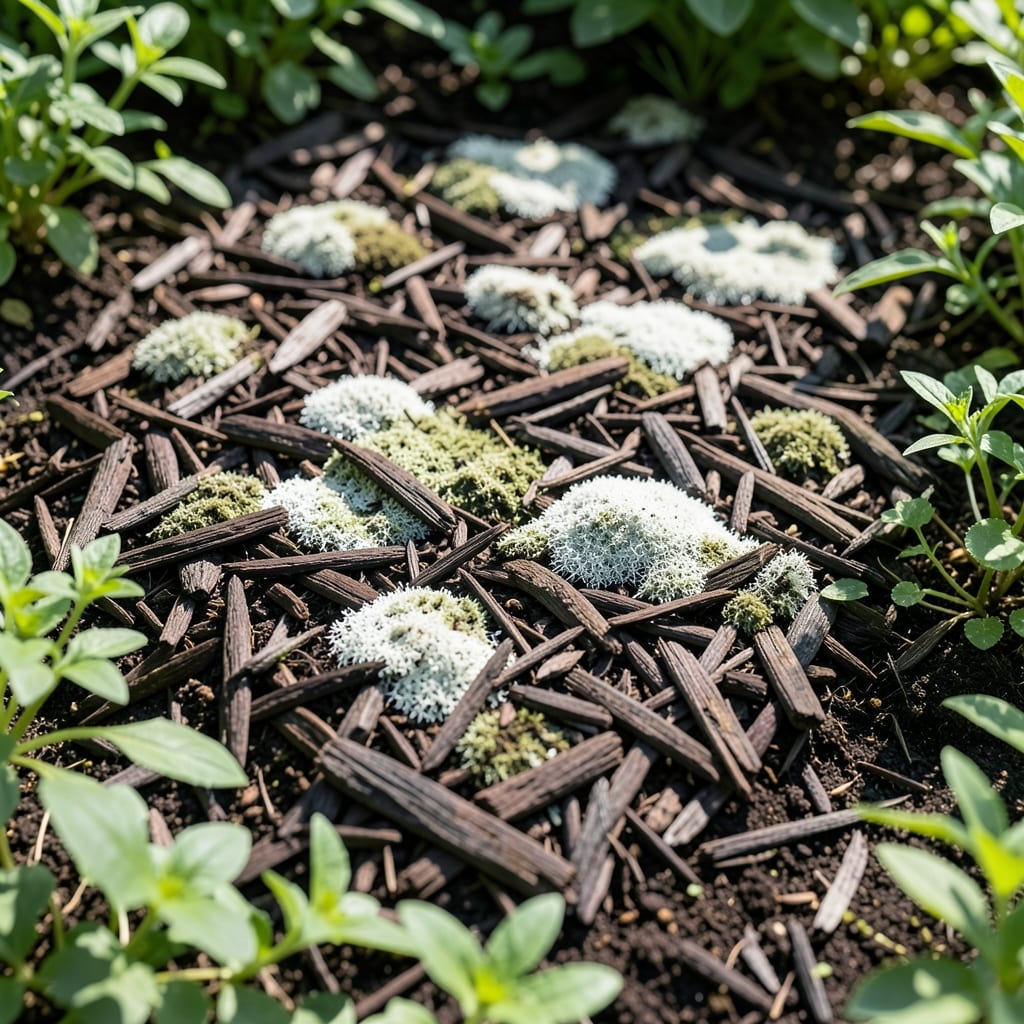
That white or gray fuzz in your mulch isn’t just ugly—it’s a sign something’s off. I’ve dealt with my share of moldy mulch, and the solution is simpler than you’d think. It usually comes down to moisture and airflow.
Most people pile mulch too thick or let it stay soggy. A 2-3 inch layer with space between pieces prevents mold from taking hold. Proper placement matters too—keep it away from plant stems and building foundations.
Fixing it starts with raking the affected areas to let them dry. In most cases, that’s all it takes. For stubborn spots, a little garden lime can help balance the pH and discourage future growth.
Prevention is the real win. Use the right type for your climate, and refresh old mulch before it compacts. This keeps your beds looking sharp and your plants healthy.
Mold growth in mulch is a common issue, often triggered by environmental and maintenance factors. Below are the primary causes, explained scientifically for clarity and actionability.
Mold thrives in damp conditions. When mulch retains too much water—due to overwatering, poor drainage, or heavy rainfall—it creates an ideal breeding ground for spores. Organic mulches like wood chips or bark absorb moisture, and without proper aeration, they stay wet, accelerating fungal growth.
Mulch made from natural materials (e.g., leaves, straw, or compost) breaks down over time. As microorganisms decompose these organics, they generate heat and moisture, fostering mold. Fresh, undyed mulch is especially prone because it hasn’t fully stabilized.
Shaded areas or thick mulch layers block sunlight, which otherwise helps dry out excess moisture. UV rays also inhibit some mold spores. Without adequate light, mulch stays damp longer, encouraging fungal colonization.
Compacted mulch or layers deeper than 2–3 inches restrict airflow. Oxygen deprivation slows decomposition and traps humidity, creating a stagnant environment where mold prospers. Fluffing mulch periodically can mitigate this.
If mold spores were already present in the mulch (e.g., from improper storage or low-quality batches), they’ll activate under the right conditions. Always inspect mulch before application and avoid piles that smell musty or look discolored.
Moldy mulch isn’t just unsightly—it can harm your plants if left unchecked. The good news? You can tackle it with simple, effective solutions. Below are targeted fixes for common causes, along with prevention tips to keep your garden healthy.
If your mulch stays soggy, mold thrives. Rake the mulch to break up compacted layers and expose it to sunlight. For severe cases, remove the top 1–2 inches of mulch and replace it with fresh, dry material. To prevent recurrence, avoid overwatering and ensure your garden bed has proper drainage. Consider adding a layer of coarse sand or gravel beneath the mulch for better airflow.
Mulch decomposes over time, and thick layers trap moisture. Use a pitchfork or garden fork to turn the mulch weekly, which speeds up drying and disrupts mold growth. If the mulch is old and heavily infested, replace it entirely with a fresh batch. Prevention tip: Apply mulch in thin layers (2–3 inches max) and top it off annually instead of letting it build up.
Mulch pressed against plant stems or crowded beds restricts airflow. Pull mulch back 2–3 inches from the base of plants to allow breathing room. For dense plantings, thin out mulch in high-risk areas or switch to chunkier mulches like wood chips, which allow better airflow. 💡 Pro tip: Avoid piling mulch against fences or walls where air stagnates.
Some mulches (e.g., finely shredded bark or grass clippings) hold moisture and decompose quickly, inviting mold. Opt for coarser mulches like cedar chips or pine bark, which resist compaction and dry faster. Inorganic options like gravel or rubber mulch can also work in problem areas. Prevention: Store mulch in a dry, ventilated spot before use to avoid introducing mold spores.
Generally no, but severe cases can compete with plants for nutrients. Most mold is harmless, though white or gray fuzz may indicate excess moisture. Remove heavily affected areas to prevent spread.
Yes, after treating it. Rake to aerate, then let it dry in sunlight for 24-48 hours. If the smell or mold persists, replace it with fresh material.
Coarse, chunky options like cedar chips or pine bark resist compaction and dry faster. Avoid finely shredded or fresh green mulches, which hold moisture longer.
Turn mulch every 2-4 weeks with a garden fork to improve airflow. This is especially important in shaded, damp areas where mold thrives.