
Beautiful Plants For Your Interior
Beautiful Plants For Your Interior
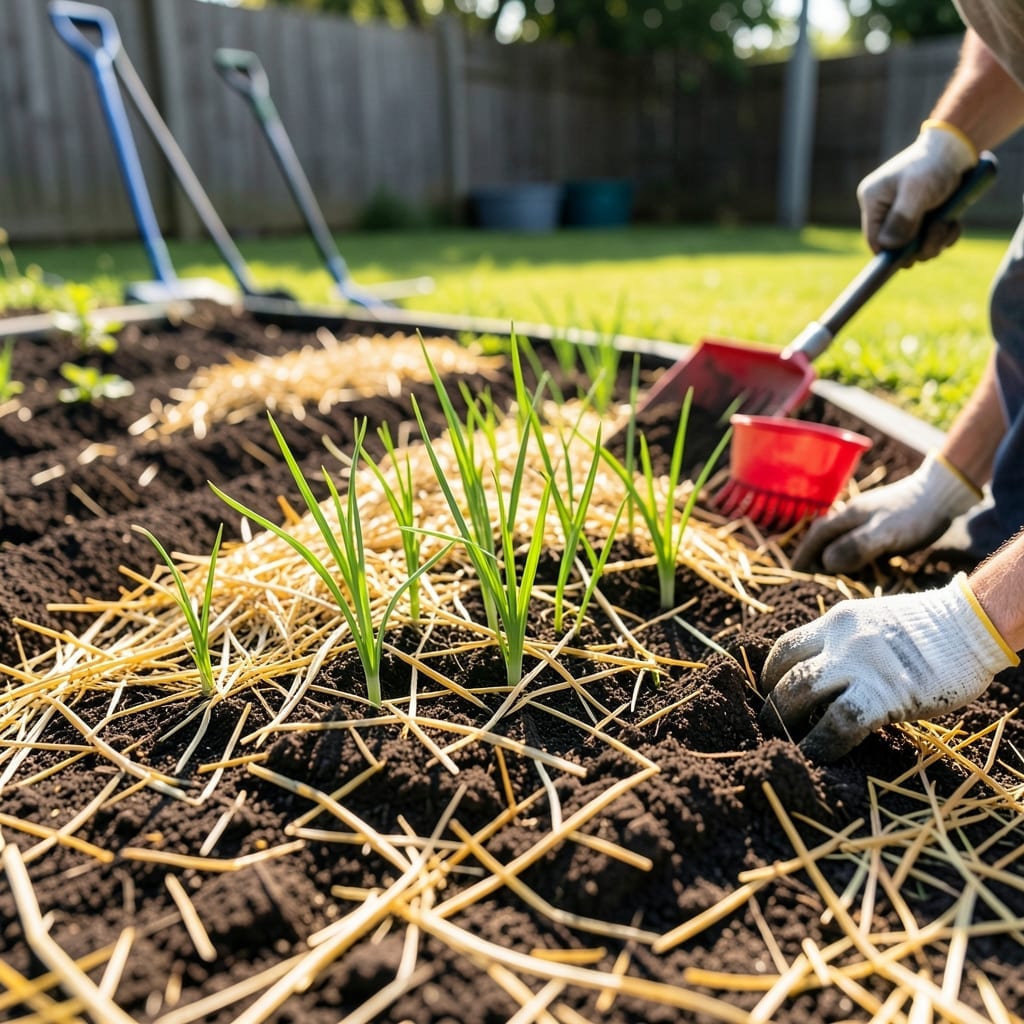
Using mulch over grass seed can make or break your lawn’s success. The difference between a lush, green yard and a patchy disaster often comes down to this one step.
I’ve seen countless homeowners struggle with uneven growth simply because they skipped or mishandled mulching. The right approach ensures faster germination and stronger roots for your 🌱 Grass.
What many don’t realize is that timing and technique matter just as much as the mulch itself. Apply it too early or too thick, and you risk smothering your new growth.
Discover how to do it right the first time, with simple steps that guarantee a healthier lawn in Zone 6 or any climate. Let’s get started.


I’ve found that using mulch over grass seed is one of the best ways to ensure a lush, healthy lawn. It helps retain moisture, prevents soil erosion, and keeps the temperature stable for optimal germination.
Without mulch, seeds can dry out or wash away, delaying growth. The right mulch also blocks weeds while allowing sunlight and water to reach the new grass below. 🌱
| Mulch Type | Best For | Pros | Cons |
|---|---|---|---|
| Straw | Large areas | Lightweight, retains moisture | May contain weeds |
| Peat Moss | Small patches | Holds water well, clean | Expensive, acidic |
| Compost | Nutrient boost | Adds organic matter, improves soil | Can smother seeds if too thick |
| Wood Chips | Sloped areas | Long-lasting, prevents erosion | Slow to decompose, blocks light |
For me, straw mulch is often the best choice for large lawns because it’s affordable and effective. It’s lightweight, so it won’t compact the soil, and it decomposes quickly, enriching the ground as it breaks down.
Peat moss is ideal for smaller areas or spots where I need precise control. It’s clean and holds moisture exceptionally well, but I watch the pH, as it can acidify the soil over time.
If my soil needs a nutrient boost, I’ll use compost mulch. It feeds the grass as it grows, but I
Wood chips are my go-to for sloped yards where erosion is a concern. They stay in place longer than other mulches, but I avoid using them in shady areas because they can take years to break down.
I always remind myself that the mulch layer should be thin and even. Too much can block sunlight, while too little won’t protect the seeds. A good rule is to aim for 1/4 to 1/2 inch of coverage.
Timing matters too. I apply mulch right after seeding to lock in moisture. If I wait, the seeds might dry out or get washed away by rain. Early fall is my favorite time for this because the soil is still warm, and the cool air helps the grass establish before winter.
Finally, I keep the mulched area consistently moist until the grass is 2-3 inches tall. This means watering lightly daily if there’s no rain. Once the grass is established, I can scale back to deep watering a few times a week. 🌿
Applying mulch over grass seed is a game-changer for lawn establishment. I’ve seen it boost germination rates by keeping soil moist and protected during critical early growth stages.
Timing matters most—only apply mulch after seeding and light watering. This prevents seed displacement while ensuring optimal contact with the soil for sprouting.
I recommend using straw or peat moss as mulch because they’re lightweight and biodegradable. They break down naturally, enriching the soil as your grass establishes.
Avoid thick layers of mulch—this can block sunlight and suffocate seeds. A quarter-inch layer is perfect for retaining moisture while allowing light through.
After application, check daily for moisture levels. If the topsoil feels dry, water lightly to maintain ideal germination conditions. Consistency here is key.
Finally, be patient. With proper mulching, you’ll see green sprouts in 7-14 days, depending on your grass type and climate conditions 🌱