
Beautiful Plants For Your Interior
Beautiful Plants For Your Interior
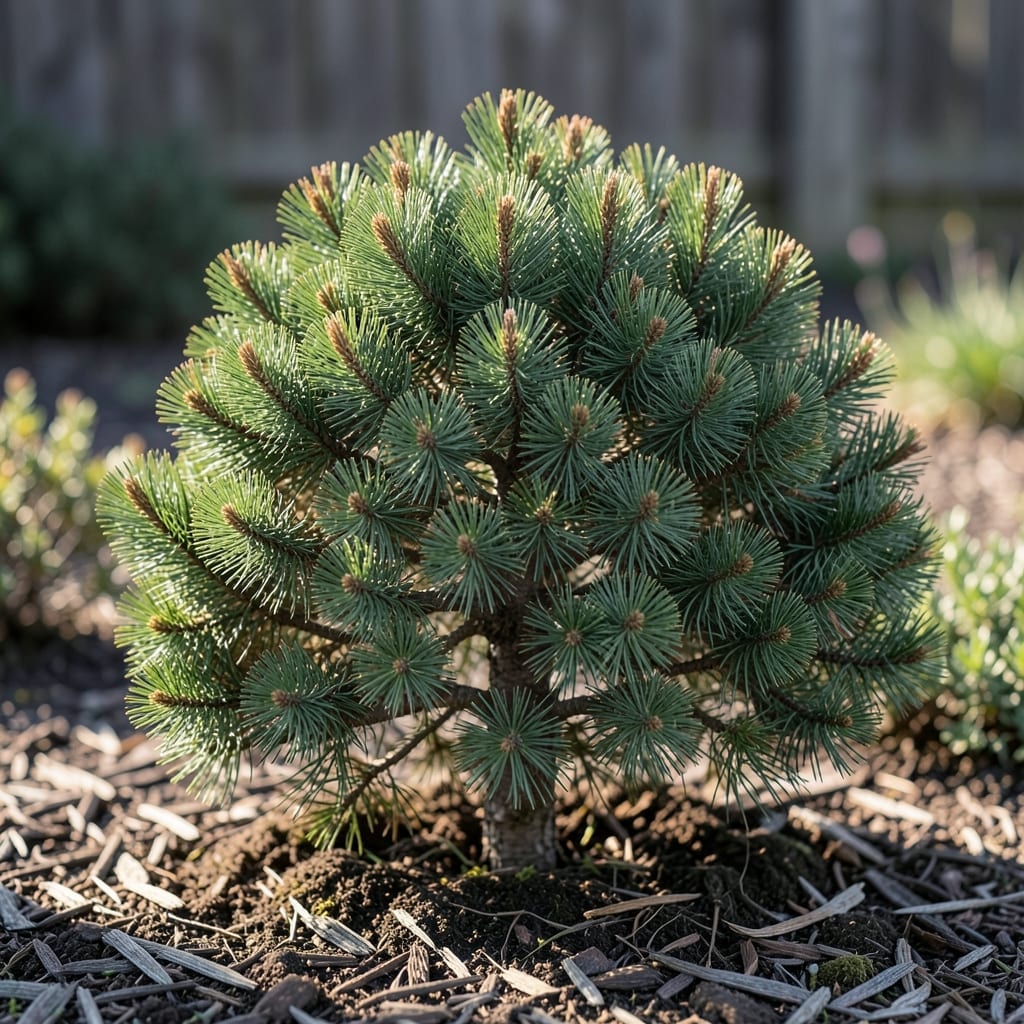
Brown tips on your mugo pine aren’t just unsightly—they’re a distress signal. I’ve seen this happen to even the most well-tended pines, and the causes range from environmental stress to sneaky pests hiding in plain sight.
Often, it’s a watering issue—either too much or too little—combined with poor drainage. Other times, it’s winter burn, salt damage, or a fungal infection creeping in. The key is figuring out which culprit is at work in your garden.
Once you identify the problem, the fix can be surprisingly simple. Pruning affected branches, adjusting your watering routine, or applying a fungicide might be all it takes. A little attention now can save your pine from long-term damage.
Don’t wait until the browning spreads—early action makes all the difference. Here’s how to diagnose and treat it before it’s too late.
Your mugo pine’s browning tips are usually a sign of stress, and several common culprits could be at play. Identifying the exact cause is key to reviving your plant’s health. Below are the most likely reasons, explained in clear, actionable terms.
In cold climates, winter desiccation is a frequent cause of browning. Mugo pines lose moisture through their needles (transpiration) even in winter, but frozen soil prevents roots from absorbing water to replace it. This leads to needle tip burn, especially on the windward side. Solution: Apply a thick layer of mulch around the base in late fall to insulate the soil and reduce moisture loss.
Both overwatering and underwatering can turn needle tips brown. Too much water suffocates roots, leading to poor nutrient uptake, while drought stress dehydrates the foliage. Mugo pines prefer well-draining soil and consistent moisture—test soil 2 inches down; if it’s bone-dry or soggy, adjust your watering schedule.
Fungi like Dothistroma or Sphaeropsis (pine tip blight) thrive in wet conditions, causing brown, blighted tips. Look for black fruiting bodies or resin oozing from needles. Solution: Prune infected branches (sterilize tools between cuts!), improve airflow, and apply a copper-based fungicide in early spring or fall.
Road salt, herbicides, or excessive fertilizer can scorch needle tips by disrupting the plant’s ability to absorb water. Symptoms often appear as uniform browning on exposed sides. Solution: Rinse foliage with fresh water if salt spray is suspected, and avoid over-fertilizing—mugo pines are low-maintenance and thrive in lean soil.
Mites, pine bark beetles, or Pineus adelgids suck sap from needles, causing yellowing or browning. Inspect the undersides of needles for tiny pests or white, cottony masses. Solution: Use horticultural oil or insecticidal soap in early summer, and remove heavily infested branches.
Addressing browning tips on your mugo pine starts with identifying the root cause. Here’s how to tackle the most common issues:
If the soil is bone-dry, give your pine a deep watering (1–2 inches of water per week, including rainfall). For soggy soil, stop watering immediately and let it dry out. Improve drainage by amending heavy clay with compost or sand. Prevention tip: 🌡️ Use a moisture meter to check soil 2–3 inches deep—water only when dry.
Remove browned, infected tips with sterilized pruners (dip in rubbing alcohol between cuts). Apply a copper-based fungicide or neem oil to the affected areas and surrounding foliage. Space plants for better airflow to discourage fungal growth. Prevention tip: ✨ Avoid overhead watering—use a soaker hose to keep needles dry.
Check for spider mites, pine bark beetles, or scale insects. Blast pests off with a strong stream of water, or apply insecticidal soap or horticultural oil. For severe infestations, use a targeted pesticide labeled for pines. Prevention tip: 🎯 Regularly inspect needles and bark, especially in spring and fall when pests are most active.
If cold, dry winds caused browning, wrap the plant in burlap or use an anti-desiccant spray in late fall. Water deeply before the ground freezes to help roots store moisture. Prevention tip: 💡 Plant mugo pines in a sheltered spot or use a windbreak to reduce exposure.
Test your soil—mugo pines prefer slightly acidic (pH 5.0–6.5). Apply a slow-release, balanced fertilizer (10-10-10) in early spring. Avoid high-nitrogen fertilizers, which can promote weak growth. Prevention tip: 🌿 Mulch with pine bark to maintain acidity and retain moisture.
Winter burn typically appears on the side facing prevailing winds or sun exposure. The browning is often uneven and affects the outermost needles first. Check for dry, brittle tips that crumble easily.
No, once needle tips turn brown, they won’t recover. However, the rest of the needle and new growth can stay healthy. Prune the browned portions to improve appearance and prevent further spread.
Both are common culprits. Check soil 2 inches deep—if it’s soggy, cut back on watering. If it’s bone-dry, increase water slightly. Mugo pines prefer well-draining soil and consistent moisture.
If most of the plant is still green, it can recover with proper care. Focus on addressing the root cause (water, pests, or disease) and prune dead sections. Severe cases may require professional help.