
Beautiful Plants For Your Interior
Beautiful Plants For Your Interior
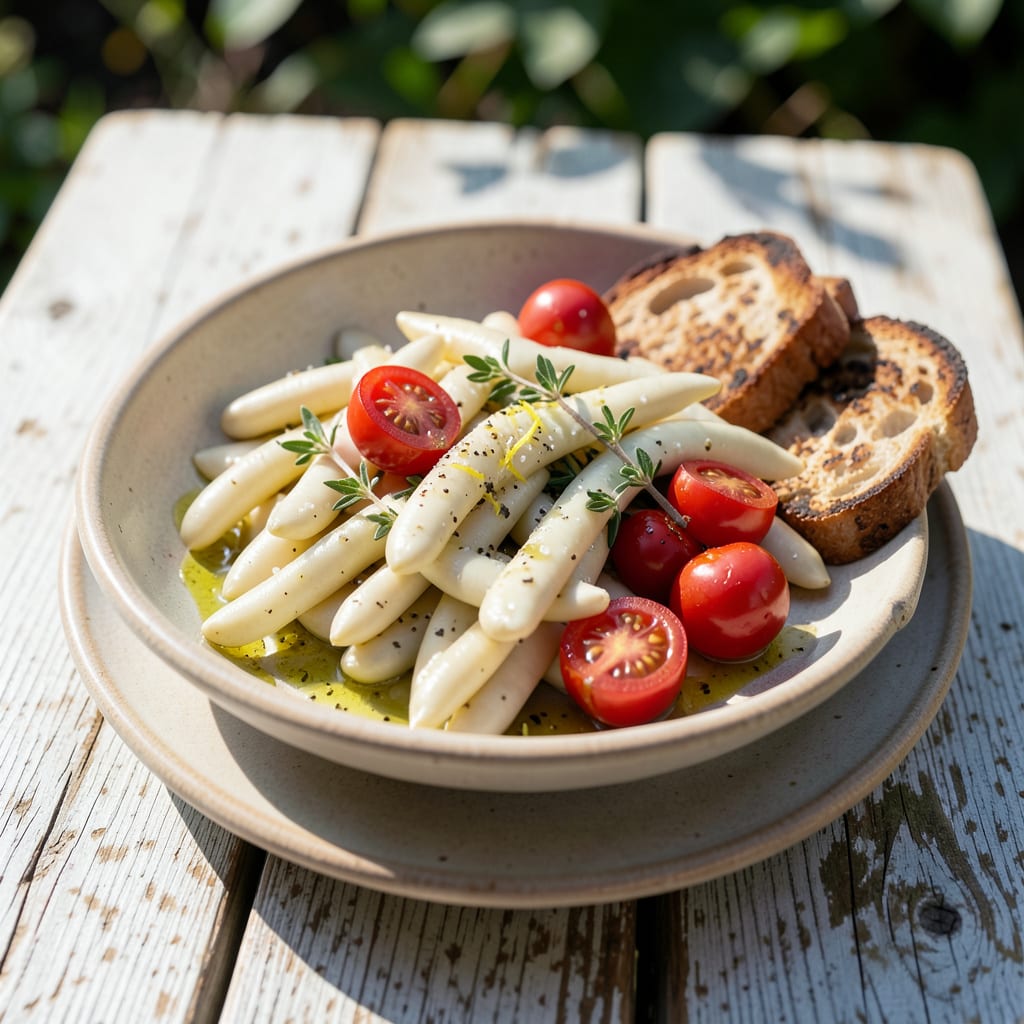
These beans changed my Southern garden forever. The Mountaineer White Half Runner produces creamy-white pods that stay tender longer than most varieties, and the vines thrive in heat that would cook other types.
They climb 6-8 feet with minimal support, and I’ve harvested buckets from just a few plants. The flavor’s rich and buttery—exactly what you want from a true heirloom. Plant in full sun and watch them take off.
📚 In This Guide
This heirloom variety thrives in warm Southern climates with the right approach.
Select a location with full sun exposure—these beans need at least 6-8 hours of direct sunlight daily. The soil should be well-draining and rich in organic matter. I always work in a 2-3 inch layer of compost before planting to give the roots a nutrient boost.
Test your soil pH; beans prefer a range of 6.0-7.0. If your soil is too acidic, add lime to adjust. Avoid heavy clay or overly sandy soil, as both can stunt growth. A raised bed works perfectly if your native soil isn’t ideal.
Sow seeds directly outdoors after the last frost when soil temperatures reach at least 60°F. Plant seeds 1 inch deep and space them 2-3 inches apart in rows that are 24-30 inches apart. This spacing gives vines room to sprawl without overcrowding.
I plant seeds in small clusters of two, then thin to the strongest seedling once they sprout. Water the seeds in gently after planting—don’t flood the area, as soggy soil can rot the seeds before they germinate.
Mountaineer White Half Runners are pole beans, so they need a trellis or support structure. Install stakes, poles, or a wire trellis at planting time—at least 6-8 feet tall to accommodate vigorous growth. I use bamboo poles arranged in a teepee shape for easy access and harvest.
Train the vines onto the support as they grow. Without it, the plants will sprawl on the ground, making them harder to manage and more prone to disease. The vines will start climbing on their own once they reach the support.
Keep the soil consistently moist but not waterlogged. Water deeply at the base of the plants 1-2 times per week, or more often during dry spells. I check the soil with my finger—if the top 1 inch feels dry, it’s time to water.
Apply a 2-3 inch layer of organic mulch around the plants to retain moisture and suppress weeds. Straw or shredded leaves work well. Mulching also keeps the soil cooler, which beans appreciate in hot Southern summers.
Beans are ready to pick when pods are 4-5 inches long and firm, usually 50-60 days after planting. Harvest frequently—every 2-3 days—to encourage more production. I use two hands to pick: one to hold the vine and one to gently pull the pod.
Don’t wait until pods bulge with seeds, as they’ll become tough and starchy. Regular harvesting keeps the plants productive through the season. Freshly picked beans are crisp and flavorful, perfect for cooking or freezing.
These practical insights will help you grow healthy, productive bean plants with minimal issues.
Sunlight Essentials: The 6-8 hours of direct sunlight mentioned in Step 1 isn’t just a suggestion—it’s critical for strong vine growth and abundant pods. I’ve learned that even partial shade can lead to leggy plants with fewer beans. If your garden gets less than this, consider container growing on a sunny patio.
Soil Temperature Matters: Don’t rush planting in Step 2. That 60°F soil temperature requirement exists because cold soil can cause seeds to rot before germinating. I use a simple soil thermometer to check—it’s saved me from replanting entire rows more than once.
Support System Timing: Install your 6-8 feet tall trellis at planting time as Step 3 suggests. I once waited until vines were 6 inches long, and the plants got tangled trying to find support. Early installation lets them climb naturally from the start.
Watering Wisdom: The 1-2 times per week guideline in Step 4 works perfectly in most Southern summers, but I always check that top 1 inch of soil. During heat waves, I’ve had to water daily to maintain consistent moisture without waterlogging.
Sow seeds 1-2 inches deep in well-draining soil after the last frost. Space them 4-6 inches apart in rows 24-36 inches apart. Provide a trellis for climbing support, as these are semi-runner beans. Water regularly but avoid overwatering.
Pick Mountaineer White Half Runner beans when pods are young and tender, usually 50-60 days after planting. Harvest frequently—every 2-3 days—to encourage more production. Beans should snap easily when bent.
Yes! Use a large container (at least 12 inches deep) with a trellis or stakes for support. Ensure proper drainage and consistent moisture. Dwarf varieties may work better, but Mountaineers can thrive in pots with enough space.
Common issues include poor pollination, insufficient sunlight, or nutrient deficiencies. Ensure they get 6-8 hours of sun daily, use compost for fertility, and avoid excessive nitrogen, which promotes leafy growth over pods.
