
Beautiful Plants For Your Interior
Beautiful Plants For Your Interior
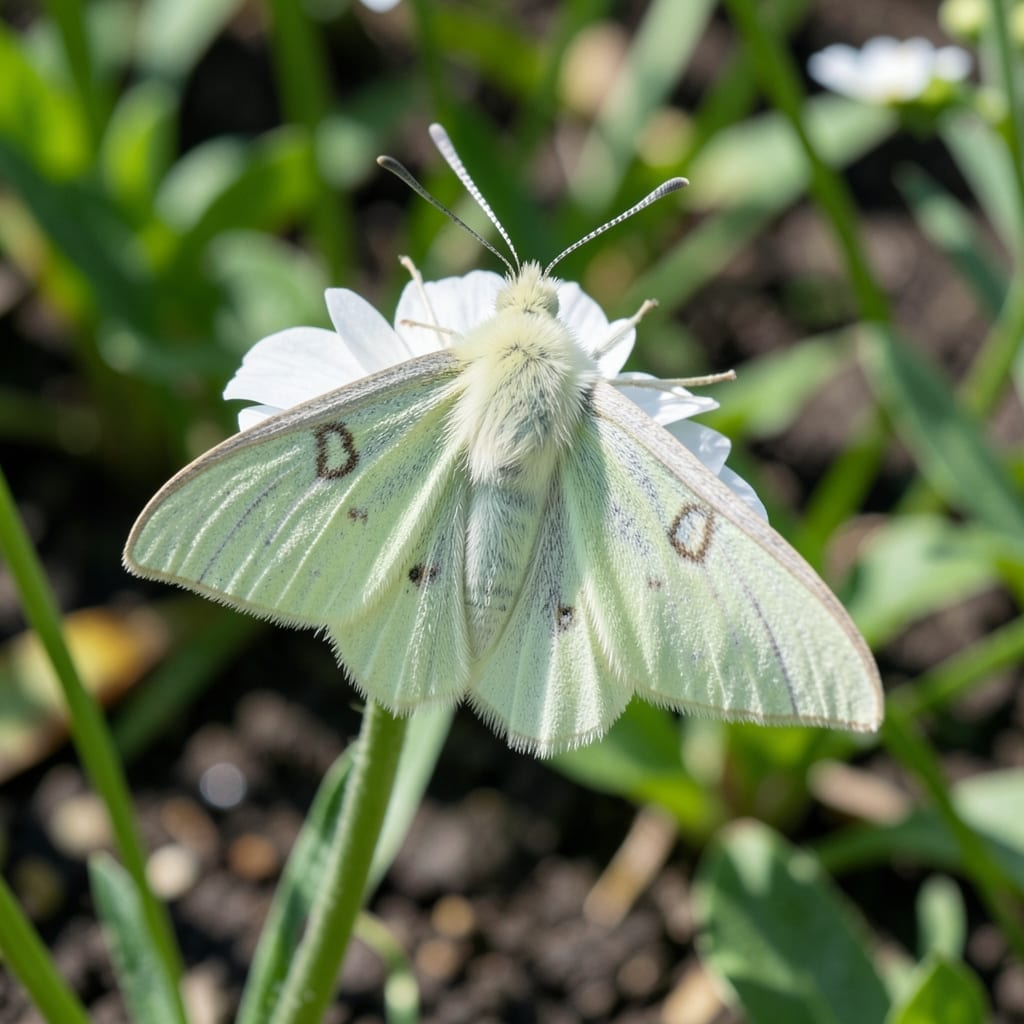
I spotted my first moth on a peony last summer at dusk. These delicate visitors often choose blooms as resting spots, but their presence can damage petals if not handled carefully.
Here’s the thing—most moths are harmless pollinators, but some species lay eggs that hatch into hungry caterpillars. The key is gentle removal without crushing wings or bruising flowers.
Within 24 hours, you can relocate them using simple tools: a soft brush, gloves, or even just your fingers. The trick is patience and a light touch.
This method works for roses, dahlias, and any open blooms. No chemicals, no damage, just a careful hand and a little know-how.
Moths are naturally drawn to flowers for several biological and ecological reasons. Understanding these causes can help you appreciate their role in nature while protecting your blooms. Here’s why it happens:
Many moth species, especially nocturnal ones, rely on flower nectar as a primary food source. Their long, coiled proboscis allows them to access deep nectar reserves that other pollinators can’t reach. Flowers with strong fragrances or pale colors (visible under moonlight) are particularly attractive to moths seeking sustenance.
Moths play a crucial role in pollination. As they feed on nectar, pollen sticks to their fuzzy bodies and is transferred to other flowers. This mutualistic relationship benefits both the moth (food) and the plant (reproduction). Some flowers, like evening primrose, have evolved specifically to attract moth pollinators.
Flowers emit volatile organic compounds (VOCs) that moths detect with their antennae. Some species are also drawn to the slight warmth flowers radiate at night. This combination of scent and thermal cues guides moths to their targets, even in low-light conditions.
Unlike butterflies, most moths are active at night. Their sensitive eyes and antennae help them navigate and locate flowers in the dark. Brightly colored or UV-reflective petals (invisible to humans) act as beacons, ensuring moths find their food sources efficiently.
While their presence is natural, you can gently relocate moths if they’re damaging delicate blooms—just avoid harming these vital pollinators!
If you spot a moth resting on your prized blooms, don’t panic. With a little care, you can relocate the visitor without damaging your flowers. Here’s how to handle the situation gently and effectively:
Use a soft, flat tool like a popsicle stick, index card, or a leaf to gently coax the moth off the flower. Slide it carefully under the insect and lift it away. Place the moth on a nearby bush or tree to give it a safe new perch. This method works best in the early morning or late evening when moths are less active.
If the moth is light and the flower sturdy, a soft puff of air can encourage it to fly off. Avoid strong gusts, as these might harm delicate petals. This approach is ideal for larger, hardier flowers like sunflowers or roses.
Prevent moths from returning by keeping your garden clean. Remove fallen leaves, overripe fruit, or other organic debris where moths lay eggs. You can also introduce natural repellents like:
Pro tip 💡: If moths keep returning, check for nearby light sources at night. Moths are drawn to bright lights, so consider switching to yellow bug lights or dimming outdoor lighting to reduce their attraction.
Most moths are harmless pollinators and actually help flowers. Only a few species lay eggs that turn into caterpillars which may eat petals.
Moths are primarily nocturnal, so they’re most active at dusk and night. You’ll rarely see them during daylight hours.
Avoid chemical pesticides, as they can harm beneficial pollinators. Try natural deterrents like lavender or citrus peels instead.
Moths use natural light sources like the moon to navigate. Bright artificial lights confuse them, often leading them to nearby blooms.