
Beautiful Plants For Your Interior
Beautiful Plants For Your Interior
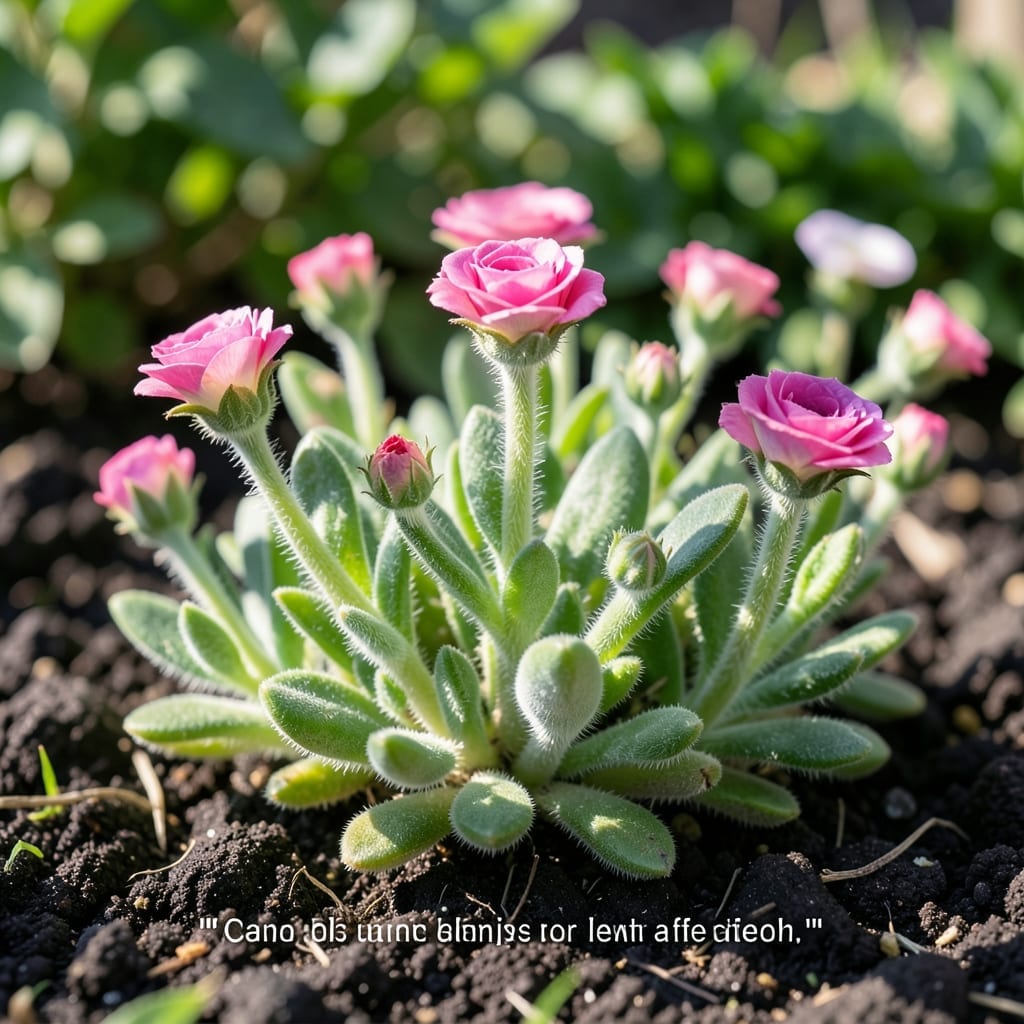
I’ve always been amazed by how the humble 🌸 Moss Rose can transform a garden with its vibrant blooms. But here’s what many gardeners get wrong: they assume this tough little plant can thrive anywhere.
What if I told you that light exposure is the key to unlocking its full potential? Getting this right means the difference between a few sparse flowers and a spectacular display.
Discover how to position your Moss Rose for best results, whether you have a sun-drenched yard or shadier spots to work with.
 Best Window Placement
I’ve tested Moss Roses in various light conditions, and the results are clear: these sun-worshipping succulents truly shine with 6+ hours of direct sunlight daily. Their native habitat in sunny, arid regions explains this preference perfectly.
While they can survive in partial shade, you’ll notice fewer blooms and leggy growth as the plant stretches for light. For the most vibrant display, prioritize a full-sun location.☀️
| Requirement | Specification |
|---|---|
| Ideal Light | Full sun (6+ hours daily) |
| Minimum for Blooms | 4-6 hours of sunlight |
| Shade Tolerance | Limited (reduced flowering) |
| Drought Resistance | High (once established) |
| Best Window Direction | South-facing |
In my garden, south-facing beds produce the most abundant Moss Rose blooms. The plants grow compact and bushy, with flowers opening wide under the strong sun. This is their happy place.
If you’re working with partial shade, aim for at least 4-6 hours of morning sun. This ensures the plants get enough light to produce flowers while avoiding the harshest afternoon heat.
I’ve noticed that in deep shade, Moss Roses often become tall and sparse, with stems stretching toward any available light. The blooms, if they appear at all, are smaller and less vibrant.
One of the great things about Moss Roses is their drought tolerance. In full sun, they thrive on minimal water, making them perfect for hot, dry climates. Just ensure the soil is well-draining to prevent root rot.
For gardeners in cooler climates, full sun is non-negotiable. The extra warmth helps these heat-loving plants grow and bloom more prolifically. In containers, place them where they’ll get maximum sunlight exposure.
If you must plant in shade, choose lighter varieties like white or pale pink. These can handle slightly less sun than the darker, more vibrant colors, which need intense light to maintain their richness.
Remember, even in ideal conditions, deadheading spent blooms encourages more flowers. In shade, this is especially important to maximize the limited blooming potential.🌱
I’ve found that Moss Roses perform best in full-sun garden beds, where they can soak up 6+ hours of direct light. These spots produce the most compact, flower-covered plants with vibrant colors.
For containers, place them on a sunny patio or balcony. This ensures they get the light they need, and you can move them if the sun patterns change. ☀️
In partial shade, I recommend morning sun locations. East-facing spots work well because the plants get gentle light to start the day, which encourages better blooming than afternoon shade alone.
For shadier gardens, try planting near reflective surfaces like white walls or light-colored mulch. This can bounce additional light onto the plants, boosting their performance significantly.
I’ve had success with Moss Roses in rock gardens, where the excellent drainage prevents root rot, and the elevated position often means better sun exposure than at ground level.
If you’re limited to shade, choose the lightest spots available and pair them with lighter-colored flowers. These varieties tend to handle lower light better than dark reds or purples.
Remember that even in ideal locations, well-draining soil is crucial. In containers, ensure there are drainage holes to prevent water from pooling at the roots.🌱