
Beautiful Plants For Your Interior
Beautiful Plants For Your Interior
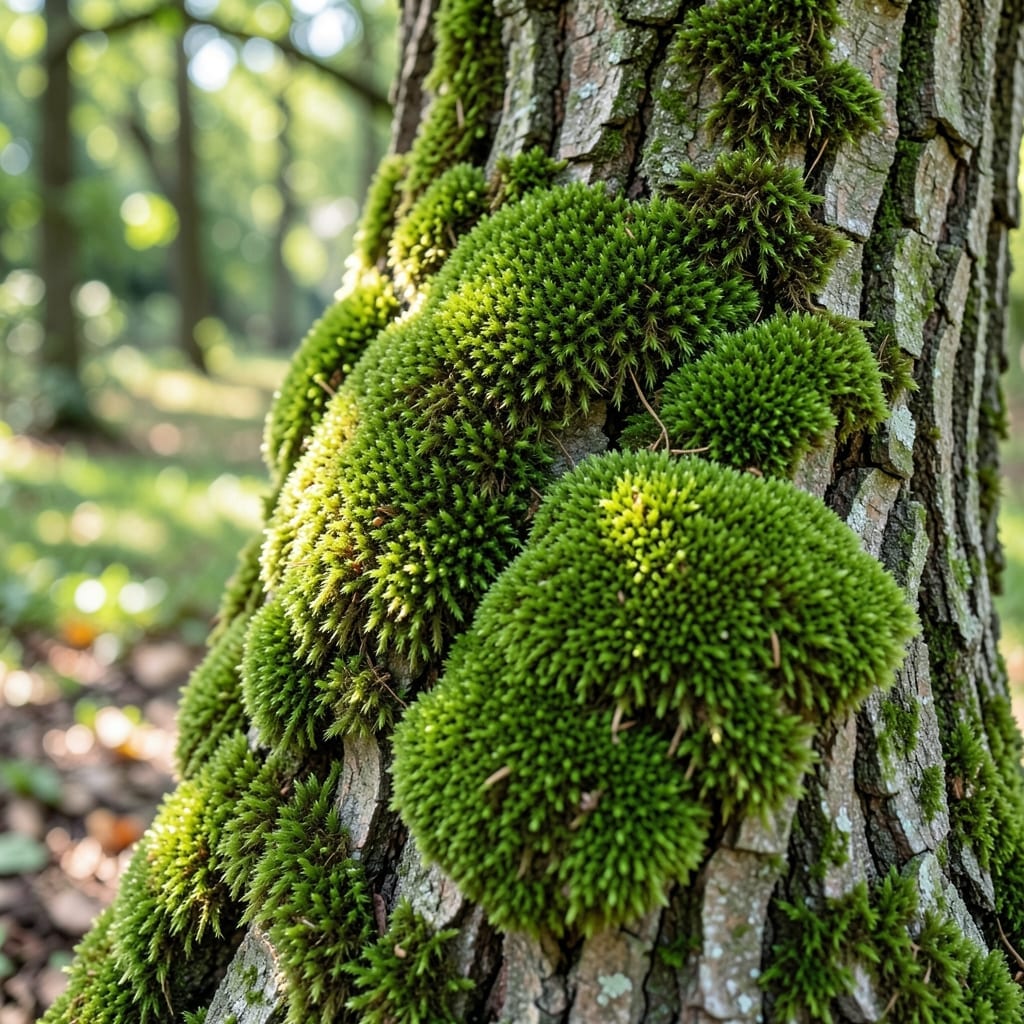
That soft green carpet on your tree bark isn’t a problem—it’s a sign of life. Moss growing on trees thrives in shady, moist conditions, turning trunks into tiny ecosystems that support insects, birds, and even other plants.
I used to remove it until I learned moss actually protects tree bark from temperature swings and retains moisture. It doesn’t harm healthy trees, though heavy growth can indicate poor air circulation or excess shade.
Encouraging moss is simple: maintain consistent moisture and avoid disturbing the bark. For a cleaner look, improve sunlight and airflow around the tree’s base.
This natural phenomenon adds year-round texture to your garden while quietly supporting biodiversity. The benefits often outweigh the drawbacks.
Moss thrives on trees due to a combination of environmental and biological factors. Below are the key reasons why this happens:
Moss requires consistent moisture to grow, and trees in damp climates or shaded areas provide the perfect habitat. The bark of trees retains water, creating a moist micro-environment that supports moss colonization. Areas with frequent rain, fog, or high humidity levels are especially prone to moss growth.
The rough, porous surface of tree bark offers an ideal substrate for moss spores to attach and grow. Older trees with deeply furrowed bark trap more moisture and organic debris, further encouraging moss establishment. Additionally, certain tree species, like oaks and maples, have bark chemistry that is particularly hospitable to moss.
Mosses are shade-tolerant plants that do not require direct sunlight to thrive. Trees in densely forested areas or those with thick canopies create low-light environments where moss can flourish. This is why moss is often found on the north side of trees or in the understory of forests.
While moss doesn’t rely on trees for nutrients, it benefits from the organic matter that accumulates on bark, such as dust, pollen, and decaying leaves. These materials provide essential minerals and a fertile ground for moss to grow. Trees in nutrient-rich environments are more likely to host moss.
Moss on trees is usually harmless, but if it’s spreading too much or affecting plant health, these practical steps can help restore balance.
Moss thrives in damp, shaded areas. Trim nearby branches to let more light and air reach the trunk. Space out plants to reduce humidity, which slows moss growth. For dense canopies, consider selective pruning to open the area without harming the tree.
For small patches, gently brush or scrape moss off with a soft-bristle brush or plastic scraper. Avoid metal tools, which can damage bark. Work when the moss is dry for easier removal. Collect the debris to prevent regrowth.
Prevention tip: 💡 Apply a copper sulfate solution (1-2%) to treated areas to discourage return, but use sparingly to avoid soil harm.
Overwatering or poor drainage creates moss-friendly conditions. Reduce irrigation near tree bases and ensure soil drains well. If the tree is in a boggy area, improve drainage with gravel or a French drain.
A vigorous tree resists moss better. Fertilize with a balanced formula to strengthen growth, and mulch properly (2-3 inches deep, 6 inches from the trunk) to regulate moisture. Regularly check for pests or disease, which can weaken trees and invite moss.
Pro tip: ✨ Plant moss-resistant species like oak or maple if moss is a recurring issue in your climate.
Not usually! Moss often grows on healthy trees in damp, shady areas. It doesn’t feed on the tree but uses it for support. However, heavy moss can indicate excess shade or moisture.
Yes, gently brush it off with a soft-bristle brush when dry. Avoid metal tools to prevent bark damage. For stubborn patches, a 1-2% copper sulfate solution can help, but use sparingly.
Moss thrives on rough, porous bark like oaks and maples. Smooth-barked trees (e.g., beech) may host less. Bark texture and moisture retention matter more than tree species.
Moss prefers shade, so increasing sunlight and airflow by pruning nearby branches can slow its spread. Aim for 6+ hours of light daily for best results.