
Beautiful Plants For Your Interior
Beautiful Plants For Your Interior
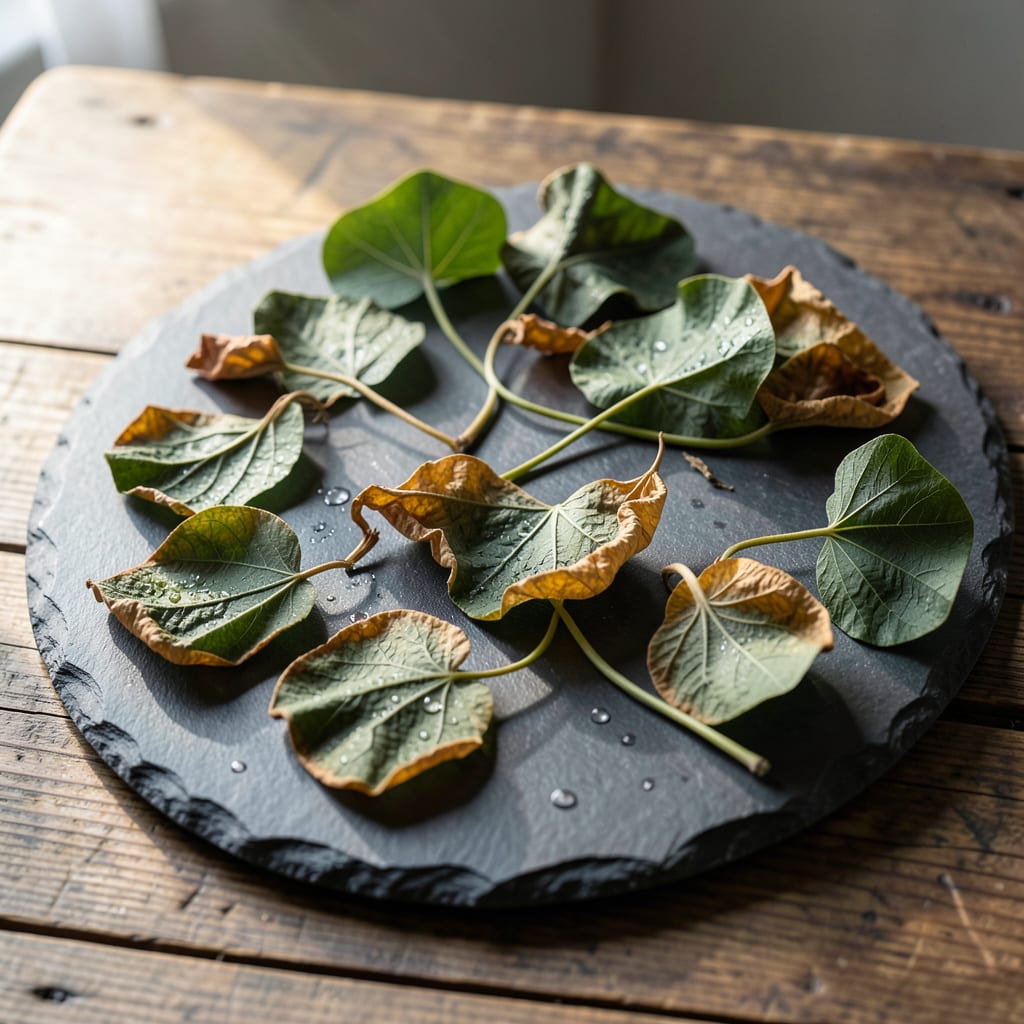
Watching morning glory leaves turn yellow and crisp is gut-wrenching. I’ve lost count of how many vines I’ve revived after catching the problem early enough.
Most leaf death comes down to 4 common culprits: water stress, nutrient shortages, pests, or disease. The good news is that each has a clear fix once you identify which one you’re dealing with.
With the right adjustments, you can stop the decline within a week and see fresh growth pushing through. The key is acting fast before the damage spreads to the entire plant.
Here’s how to diagnose the issue and nurse your morning glories back to their vibrant, fast-growing selves.
Morning glory leaves turning yellow or dying can be alarming, but understanding the root causes helps you act fast. Here are the most common culprits behind this issue:
Excess water suffocates the roots, leading to root rot and nutrient uptake failure. Morning glories thrive in well-draining soil, and soggy conditions cause leaves to yellow, wilt, or drop. Check for waterlogged soil or foul odors—signs of fungal growth.
These plants love moisture but can’t handle drought. Dry soil forces leaves to curl, crisp, or die. In extreme heat, transpiration outpaces water absorption, causing wilting even if the soil seems damp. Mulching helps retain moisture.
Spider mites, aphids, and whiteflies sap plant juices, weakening leaves. Look for webbing, spots, or sticky residue (honeydew). Neem oil or insecticidal soap can treat early infestations before they escalate.
Pathogens like powdery mildew or leaf spot thrive in humid conditions. Yellow or brown spots with halos? That’s a red flag. Improve airflow and avoid overhead watering to prevent spores from spreading.
A lack of nitrogen (pale leaves) or magnesium (yellowing between veins) can stunt growth. Test soil pH—morning glories prefer slightly acidic to neutral (6.0–7.0). A balanced fertilizer often restores vigor.
Identify the issue early, and your morning glories can bounce back with the right care!
Morning glories are hardy, but even they need a little TLC when their leaves start to fade. Here’s how to nurse them back to health based on the most common issues.
Check the soil: if it’s bone-dry, give your plant a deep watering until moisture reaches the roots. If it’s soggy, let it dry out before watering again. Prevention tip: Stick your finger an inch into the soil—water only when it feels dry. Use well-draining pots to avoid root rot.
If leaves are scorched (brown and crispy), move the plant to partial shade, especially during peak afternoon hours. Yellowing leaves often signal not enough light—relocate to a sunnier spot with at least 6 hours of direct sunlight. Prevention tip: Morning glories love morning sun, so east-facing windows or garden spots are ideal.
Inspect leaves for aphids, spider mites, or whiteflies. Blast them off with a strong spray of water or apply neem oil (mix 1 tbsp oil + 1 tsp dish soap per gallon of water). Repeat every 5-7 days until pests are gone. Prevention tip: Keep the area clean and debris-free to discourage pests from settling in.
Yellow leaves with green veins often mean iron deficiency. Use a chelated iron supplement or a balanced, water-soluble fertilizer (10-10-10) every 2-4 weeks. Prevention tip: Mix compost into the soil at planting time for a slow-release nutrient boost.
Morning glories thrive in 60–85°F (15–30°C). If nights are chilly (below 50°F/10°C), move potted plants indoors or cover them with frost cloth. Prevention tip: Plant after the last frost date in spring to avoid cold shock.
💡 Pro tip: Rotate your care routine—check soil, light, and leaves weekly to catch issues early!
Water when the top 1 inch of soil feels dry. These plants prefer consistent moisture but can’t tolerate soggy roots. In hot weather, this may mean watering every 2-3 days.
This pattern typically indicates a magnesium deficiency. Use a balanced fertilizer or add 1 tablespoon of Epsom salt per gallon of water once a month to correct it.
Yes! With prompt treatment using neem oil or insecticidal soap, most plants bounce back within 1-2 weeks. Remove heavily infested leaves to prevent spread.
Removing dead or yellowing foliage directs energy to healthy growth and prevents disease spread. Use clean shears and cut at the leaf base.
