
Beautiful Plants For Your Interior
Beautiful Plants For Your Interior
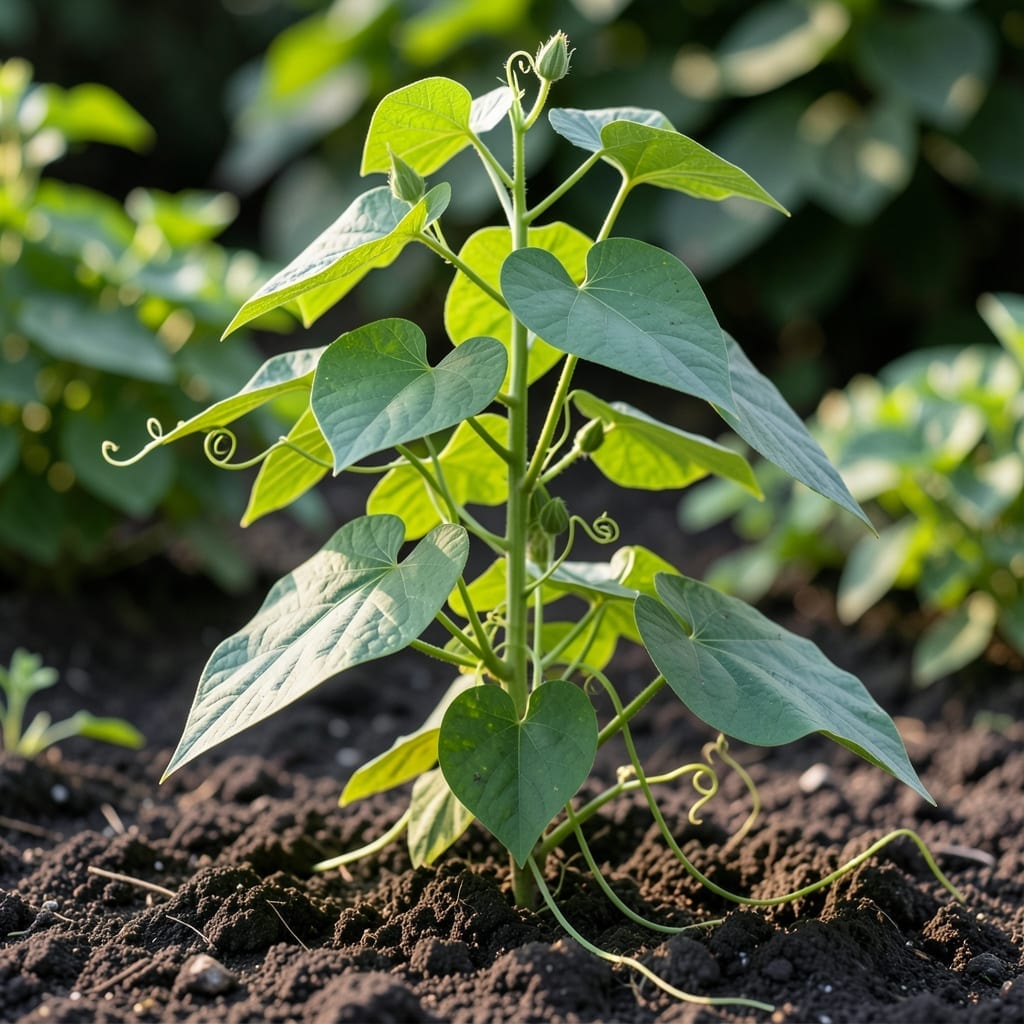
Watching morning glories refuse to bloom is frustrating. I’ve been there—vines growing like crazy but zero flowers. The usual suspects are insufficient light, poor soil, or inconsistent watering.
These plants need 6-8 hours of direct sun daily. Without it, they focus on leafy growth instead of flowers. A simple soil test can reveal if they’re starving for nutrients.
Watering at the base keeps leaves dry and prevents disease. Too much love here actually backfires—soggy roots mean no blooms.
With the right tweaks, you’ll see those vibrant trumpets opening by mid-morning. It’s about matching their simple needs to your garden’s conditions.
If your morning glories refuse to bloom, the issue often boils down to a few key environmental or care factors. Here’s what might be holding them back:
Morning glories are sun-worshippers, requiring at least 6–8 hours of direct sunlight daily to trigger blooming. Shade or dappled light disrupts their circadian rhythm, stalling flower production. These vines thrive in full sun, where photosynthesis fuels the energy needed for vibrant blooms. If your plants are in a shady spot, relocate them or trim nearby obstructions.
Nitrogen-heavy fertilizers promote lush foliage but sabotage flowering. Morning glories need balanced nutrition, with phosphorus (for blooms) and potassium (for root health). Test your soil: if it’s too rich in nitrogen, switch to a low-nitrogen, high-phosphorus fertilizer (e.g., 5-10-5). Over-fertilizing can also burn roots, so follow package instructions carefully.
Patience is key—morning glories blooming from seed can take 90–120 days. If planted too late in the season, they may not mature in time. Start seeds indoors 6–8 weeks before the last frost or choose fast-maturing varieties like ‘Heavenly Blue’. Transplants bought from nurseries may bloom sooner but still need time to acclimate.
Inconsistent watering—either over- or under-watering—stresses the plant, diverting energy from blooming. Morning glories prefer moist but well-drained soil. Water deeply 1–2 times weekly (more in extreme heat), allowing the top inch of soil to dry between waterings. Mulch helps retain moisture without waterlogging roots.
Overgrown vines with tangled stems may struggle to produce flowers. Prune excessively long shoots to encourage lateral growth and more bloom sites. Additionally, morning glories are vining plants—without a trellis or support, they waste energy sprawling instead of flowering. Provide a sturdy structure (e.g., bamboo stakes or netting) to guide their climb.
If your morning glories aren’t blooming, don’t worry—there are simple fixes for every common cause. Here’s how to get those vibrant flowers back on track.
Morning glories thrive in full sunlight (6+ hours daily). If your plants are in shade, relocate them to a sunnier spot. South-facing areas or balconies work best. Prevention tip: Always check sunlight exposure before planting—use a sun calculator app if unsure. 💡
Too much water causes root rot, while too little stresses the plant. Water deeply only when the top inch of soil feels dry. Use a moisture meter for precision. Prevention tip: Mulch around the base to retain moisture without soggy roots. 🌡️
Morning glories prefer well-draining, slightly acidic soil. Mix in compost or a balanced fertilizer (10-10-10) at planting. Avoid high-nitrogen fertilizers—they promote leaves, not flowers. Prevention tip: Test soil pH yearly; aim for 6.0–6.8. ✨
These fast growers need time to establish. Plant seeds after the last frost, or start indoors 4–6 weeks earlier. In warm climates, sow directly in early spring. Prevention tip: Use biodegradable pots to avoid root shock during transplanting. 🎯
Competition for resources stifles blooms. Thin seedlings to 12–18 inches apart, or trellis vines to reduce tangling. Prevention tip: Space seeds 6 inches apart at sowing to avoid overcrowding later. 🌿
These vines require 6-8 hours of direct sunlight to bloom. Less light results in leafy growth but no flowers. Move pots or trim shade if needed.
Avoid high-nitrogen options. Choose a low-nitrogen, high-phosphorus formula like 5-10-5 to encourage blooming without excessive foliage.
Water deeply 1-2 times weekly, letting the top inch of soil dry between sessions. Overwatering or drought both stress the plant.
This usually signals too much nitrogen or insufficient light. Switch fertilizers and check sun exposure—your plant may be focusing on leaves instead of blooms.