
Beautiful Plants For Your Interior
Beautiful Plants For Your Interior
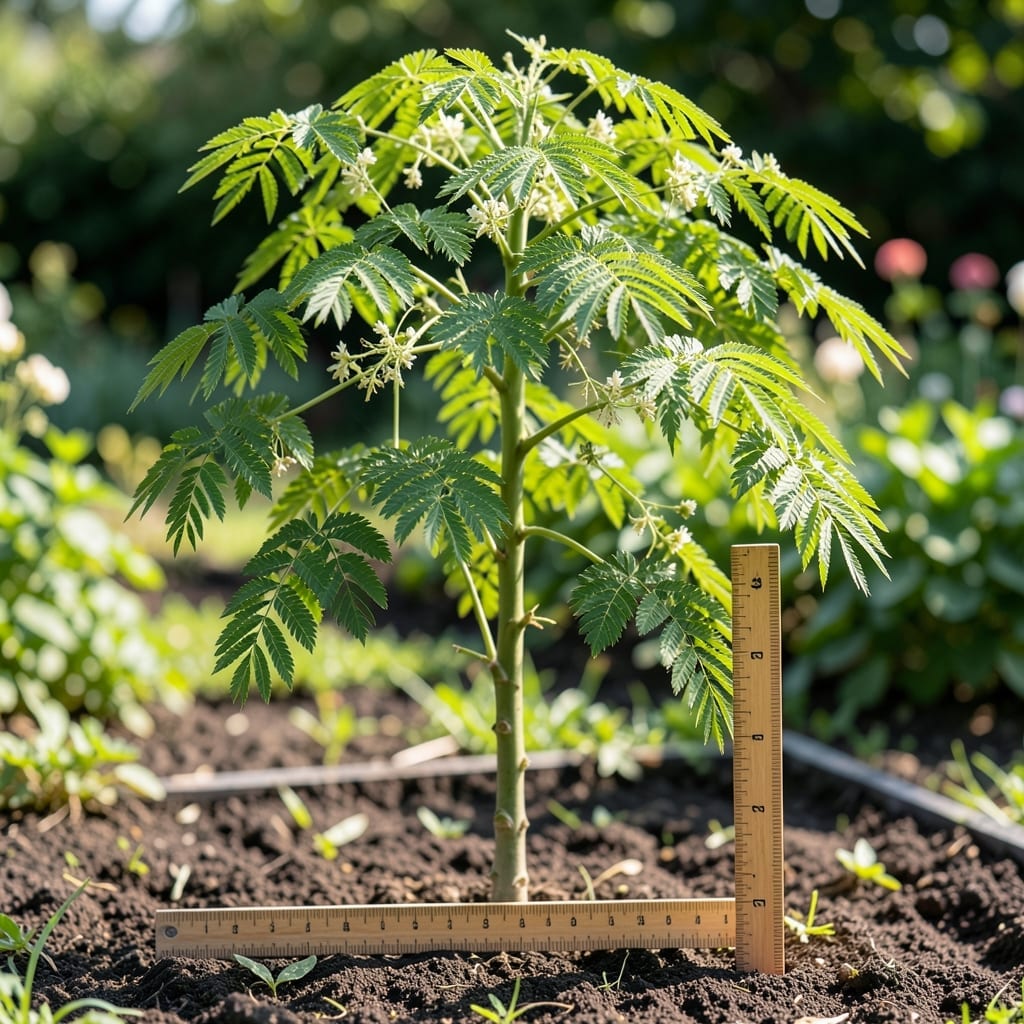
They call 🌿 Moringa the “miracle tree” for good reason—its growth speed is nothing short of amazing. If you’ve ever wondered how quickly this plant can transform your garden, the answer might surprise you.
From tiny seedling to towering tree, Moringa defies expectations with its rapid development. In the right conditions, it can shoot up 6-10 feet in just its first year, making it one of the fastest-growing trees you can cultivate.
But what exactly fuels this impressive pace? The secret lies in a combination of warm climate, proper care, and ideal growing conditions. I’ll walk you through what makes this plant thrive.
Whether you’re a seasoned gardener or just starting out, understanding Moringa’s growth rate will help you plan and maximize your harvest. Let’s explore how to make the most of this remarkable plant.


If you’re growing moringa trees, you’ve likely heard about their remarkable growth speed. But did you know that several key factors can either accelerate or slow down this process significantly? As a gardener, I’ve seen firsthand how climate conditions play a huge role.
Moringa thrives in warm climates with USDA zones 9b-11, where temperatures stay above 45°F. Colder regions can stunt growth or even kill the plant, so timing your planting is crucial for success.
| Factor | Impact on Growth Rate |
| Climate | Faster in warm, frost-free zones |
| Soil Quality | Well-draining, sandy loam boosts growth |
| Watering | Deep weekly soaks prevent stress |
| Sunlight | 6+ hours daily maximizes speed |
| Pruning | Regular cuts encourage bushier growth |
The soil quality is another game-changer. I always recommend sandy loam soil with a pH of 6.0-7.5 for optimal growth. Heavy clay or waterlogged soil can suffocate roots and slow development dramatically.
Watering practices also make a big difference. While moringa is drought-tolerant once established, consistent deep watering during the first few months helps roots grow strong. I water my moringa once a week with a good soak, reducing frequency as it matures.
Let’s talk about sunlight exposure. Moringa is a sun-worshipper, needing at least 6 hours of direct sunlight daily. In my garden, I position moringa where it gets full southern exposure to maximize growth potential.
Don’t underestimate the power of pruning. Regular trimming not only keeps the tree manageable but also stimulates new growth. I prune my moringa every 3-4 months to encourage bushier, more productive branches.
Nutrient availability plays a key role too. I use a balanced 10-10-10 fertilizer every 4-6 weeks during the growing season. This steady nutrient supply keeps my moringa growing at its fastest possible rate.
Lastly, pest control is often overlooked. Aphids and caterpillars can damage new growth, slowing the tree’s development. I inspect my moringa weekly and treat any infestations immediately with neem oil.
By optimizing these factors, I’ve seen moringa trees reach 6-10 feet in their first year. That’s the beauty of this miracle tree—with the right care, it truly lives up to its name 🌿
The moringa growth rate is remarkably fast, often reaching 6-10 feet in its first year under ideal conditions. This rapid development makes it a favorite among gardeners looking for quick results and abundant yields. 🌿
From seed to harvest, moringa progresses through distinct stages. The first 1-2 weeks focus on germination, where seeds sprout in warm, moist soil. By 3-4 weeks, seedlings emerge, ready for careful transplanting or thinning. 🌱
During the juvenile growth phase (2-6 months), moringa can grow 1-2 inches per week, especially with consistent watering and full sun. This is when the tree develops its strong stem and lush foliage. ☀️
By 6-12 months, most moringa trees reach maturity and begin producing leaves and pods. In warm climates, you may even see flowers as early as 8 months. Regular pruning can encourage bushier growth. ✂️
To track progress, I recommend measuring your moringa monthly. A healthy tree should show steady growth, with visible new leaves and thickening stems each week. Adjust care based on its stage for best results. 🌳
Remember, these timelines can vary based on climate and care. In cooler zones, growth may slow, but container gardening can help maintain warmth. Always monitor soil moisture and sunlight exposure for optimal development. 💧