
Beautiful Plants For Your Interior
Beautiful Plants For Your Interior
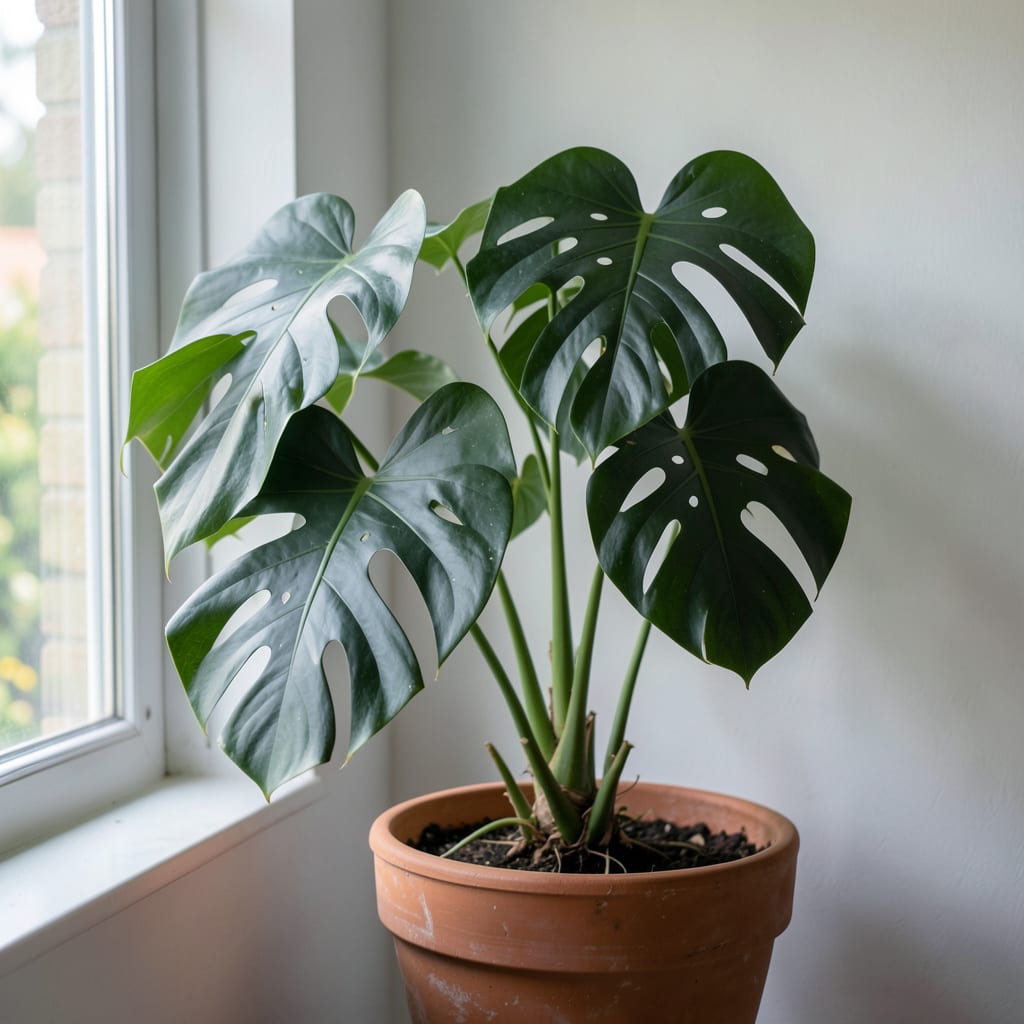
I’ve always been fascinated by the Monstera plant’s unique leaves 🪴, but getting their lighting right can be tricky. Too little light, and they become leggy; too much, and they get scorched.
So, how much light does your Monstera actually need to thrive in zone 6? Let’s explore the ideal lighting conditions and practical tips to keep your plant happy and healthy.


I’ve found that Monstera plants are native to tropical regions where they grow under the canopy of larger trees, receiving filtered sunlight. This natural habitat indicates that they prefer bright, indirect light rather than direct sunlight 🌴.
In their natural environment, Monsteras are exposed to dappled light throughout the day. To replicate these conditions indoors, we need to provide them with similar light intensity. This means placing them near an east-facing window or using filtered sunlight through a sheer curtain.
Monsteras can adapt to various lighting conditions, but their optimal growth occurs when they receive the right amount of light. In low-light conditions, they may survive but will likely become leggy and produce smaller leaves. On the other hand, too much direct sunlight can cause leaf scorching 🔥.
To ensure your Monstera gets the right light, you can also use supplemental lighting like LED grow lights. These can be especially helpful during the winter months when natural light is scarce.
Monitoring your plant’s response to the light it receives is crucial. If you notice yellowing leaves or leggy growth, it may be a sign that the light conditions need adjustment.
By understanding and providing the appropriate light requirements, you can help your Monstera thrive and enjoy its beautiful, unique foliage 🪴.
Key considerations for Monstera light requirements include the type of light, duration, and window orientation. By balancing these factors, you can create an ideal environment for your plant to flourish.
It’s also worth noting that Monstera plants are relatively adaptable, so some flexibility in lighting conditions is possible. However, maintaining the optimal light conditions will promote healthier growth and more vibrant leaves.
In summary, providing bright, indirect light for 4-6 hours a day is essential for the well-being of your Monstera plant. By doing so, you’ll be able to enjoy its stunning foliage and robust growth.
For more specific guidance on measuring light and adjusting for seasonal changes, we’ll explore practical tips in the following sections.
I’ve found that determining the right amount of light for your Monstera plant can be challenging, but there are practical ways to ensure it gets what it needs 🌞.
First, consider the window orientation. An east-facing window is ideal as it provides gentle morning sunlight that’s perfect for Monsteras. If you don’t have an east-facing window, a north-facing window can also work well, providing consistent, indirect light.
You can use a light meter app on your smartphone to measure the light intensity in your space. This can help you determine if your Monstera is getting the right amount of light.
Measuring light is crucial to understanding whether your Monstera is receiving adequate light. You can use a simple method like the shadow test: if your plant’s leaves cast a soft shadow, it’s getting enough light. If the shadow is harsh, the light might be too intense 🔦.
Seasonal adjustments are also important. During the winter months, the days are shorter, and the sun is lower in the sky, so your Monstera might need to be moved closer to the window or supplemented with grow lights. In the summer, you may need to filter the sunlight to prevent scorching 🌻.
Another factor to consider is the duration of light exposure. Monsteras generally need 4-6 hours of bright, indirect light per day. You can achieve this by placing them near a suitable window or using supplemental lighting to extend the light period.
By paying attention to these factors and making necessary adjustments, you can ensure your Monstera plant receives the right amount of light to thrive. Remember, the key is to provide bright, indirect light while avoiding direct sunlight that can cause damage 🌟.
For more information on the signs that your Monstera is getting too much or too little light, check out the next section.
I’ve noticed that Monstera plants can be quite sensitive to light conditions, and it’s essential to recognize the signs of too much or too little light to keep your plant healthy 🌱.
If your Monstera is receiving too little light, you may observe leggy growth, where the stems stretch out in search of more light. The leaves may also become smaller and darker than usual, and the plant may not produce the characteristic fenestrations or holes in the leaves 🔍.
Watch for yellowing leaves, leggy growth, or leaf scorching. Adjust light conditions accordingly to keep your Monstera thriving.
On the other hand, if your Monstera is exposed to too much direct sunlight, the leaves may become scorched or develop brown spots. In severe cases, the leaves may even wilt or drop off 🔥.
To ensure your Monstera is getting the right amount of light, it’s crucial to monitor its condition regularly. By adjusting the light conditions based on the signs your plant is showing, you can help it thrive and enjoy its beautiful foliage 🪴.
Key signs to watch for include changes in leaf color, size, and texture, as well as overall plant growth. By being aware of these indicators, you can make the necessary adjustments to provide your Monstera with the ideal light conditions.
By understanding the signs of too much or too little light, you can take proactive steps to ensure your Monstera plant remains healthy and continues to grow well.
An east-facing window is perfect for Monstera plants as it provides gentle morning sunlight that’s ideal for their growth. This direction offers bright, indirect light without the harsh direct sun that can cause scorching.
You can use a simple shadow test: if your plant’s leaves cast a soft shadow, it’s getting enough light. If the shadow is harsh, the light might be too intense. Alternatively, you can use a light meter app on your smartphone to measure light intensity.
Watch for yellowing leaves, leggy growth, or leaf scorching. If your Monstera is receiving too little light, it may become leggy with smaller, darker leaves. Too much direct sunlight can cause scorching or brown spots on the leaves.
Yes, LED grow lights can be especially helpful during winter months when natural light is scarce. They can help extend the light period and ensure your Monstera receives the 4-6 hours of bright, indirect light it needs daily.
