
Beautiful Plants For Your Interior
Beautiful Plants For Your Interior
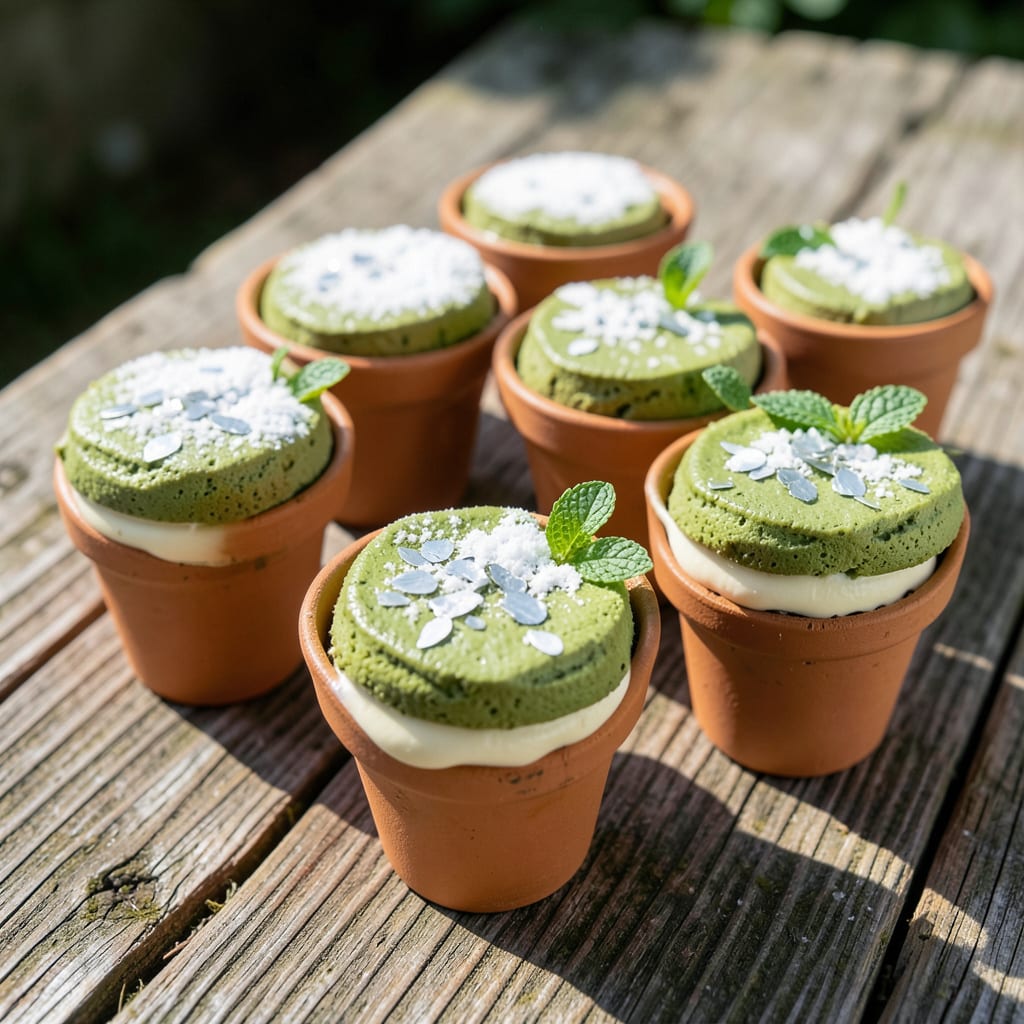
White fuzz on your seed starter pots isn’t pretty, but it’s fixable. I’ve dealt with mold outbreaks that threatened entire trays of seedlings, and I learned that quick action saves the plants.
Mold thrives in damp, dark conditions—exactly what seed starters love. Overwatering, poor airflow, and dirty trays are usually to blame. The good news: a simple mix of sunlight, air circulation, and cleanliness clears it up fast.
Your seedlings will bounce back with 24-48 hours of the right care, and you’ll prevent future outbreaks by adjusting your routine. No expensive products needed—just consistency and observation.
This works for any seed-starting setup, from windowsill trays to grow lights. Here’s how to handle it.
Mold thrives in seed starter pots due to a combination of environmental factors and poor growing conditions. Below are the most common causes, explained with actionable insights.
Overwatering or poor drainage creates a damp environment where mold spores love to grow. Seed starters often use peat-based mixes that retain water, and if the soil stays soggy, fungi like Botrytis or Fusarium take hold. Fix it: Water only when the top inch of soil feels dry, and ensure pots have drainage holes.
Seed starter trays with domed lids or plastic covers trap humidity, which accelerates mold growth. While humidity helps seeds germinate, stagnant air promotes fungal spores. Fix it: Ventilate daily by removing covers for short periods or use a small fan to improve airflow.
Decaying plant matter or unclean pots introduce mold spores. Old soil, dead seedlings, or reused containers without sterilization are common culprits. Fix it: Use fresh, sterile seed-starting mix and clean pots with a 10% bleach solution before reuse.
Weak or sparse light causes seedlings to stretch (leggy growth), reducing air circulation between plants. Crowded, damp foliage is a breeding ground for mold. Fix it: Provide 12–16 hours of bright, indirect light daily using grow lights if natural light is insufficient.
Mold on your seed starter pots can be frustrating, but it’s often easy to tackle with the right approach. Below are practical solutions for common causes, along with tips to keep your seedlings healthy and mold-free.
If excess moisture is the culprit, let the soil dry out slightly between waterings. Use a spray bottle for controlled moisture and ensure pots have drainage holes. Bottom-watering can also help prevent surface mold by keeping the top layer drier.
Prevention tip: 💡 Stick your finger an inch into the soil—if it feels damp, hold off on watering.
Stagnant air encourages mold growth. Move pots to a spot with gentle airflow, like near an open window or a small fan on low. Avoid crowding pots too closely together.
Prevention tip: ✨ Use a small oscillating fan for 1–2 hours daily to keep air circulating without drying out seedlings.
Mold spores can linger on reused pots or tools. Scrub pots with a vinegar-water solution (1:1 ratio) or a mild bleach mix (1 part bleach to 9 parts water). Rinse thoroughly and dry in sunlight before reuse.
Prevention tip: 🌡️ Always start with clean supplies to avoid reintroducing spores.
Seedlings need light to thrive and resist mold. Use a grow light if natural light is limited. If humidity is high, consider a dehumidifier or move pots to a drier area.
Prevention tip: 🎯 Aim for 12–16 hours of light daily and keep humidity below 60% for most seedlings.
For existing mold, remove affected soil and sprinkle a thin layer of cinnamon (a natural antifungal) on the surface. In severe cases, repot seedlings in fresh, sterile soil. With these fixes, your starters will be back on track in no time!
Yes, if you act quickly. Remove visible mold and affected soil, then repot in fresh mix. Seedlings often recover within 24-48 hours once conditions improve.
Only after thorough cleaning. Scrub with a 1:1 vinegar-water solution or mild bleach mix, then rinse and dry completely in sunlight to kill spores.
Persistent mold usually signals poor airflow or excess moisture. Try a small fan for 1-2 hours daily and water only when the top inch of soil feels dry.
Isolate affected pots immediately. Sprinkle cinnamon on the soil surface—it’s a natural antifungal that works within 24 hours for minor cases.
