
Beautiful Plants For Your Interior
Beautiful Plants For Your Interior
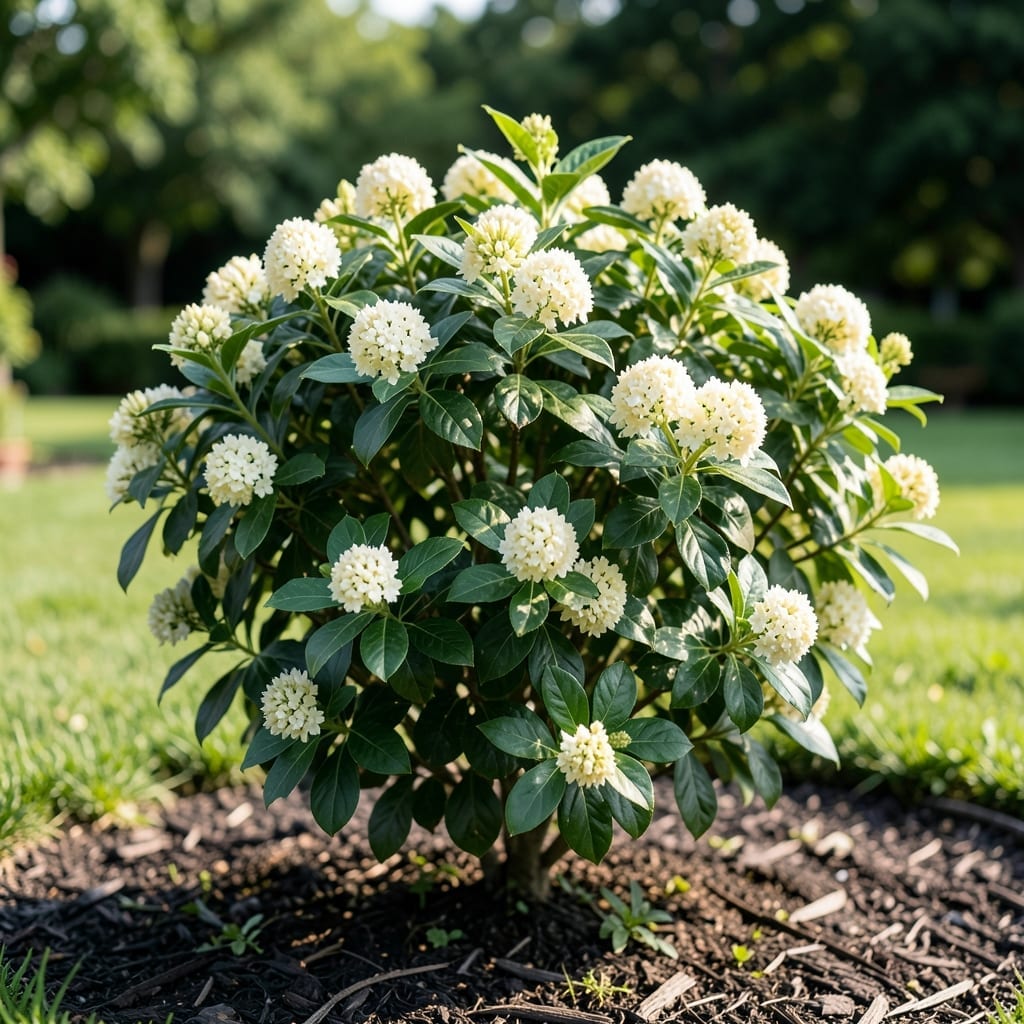
My mock orange looked like a leafy green blob last spring. No blooms, just disappointment. Turns out, timing and conditions make all the difference for these finicky shrubs.
Most people prune at the wrong time or plant in too much shade. I learned the hard way that mock oranges set next year’s buds right after flowering—cut them back in fall and you’re cutting off next year’s show.
With the right care, you’ll see clusters of fragrant white blossoms every May. It’s about matching their natural rhythm, not fighting it. They’re not high-maintenance, just particular.
Works for both new plantings and established shrubs that have stopped performing. Here’s how to get them back on track.
If your mock orange (Philadelphus) isn’t producing its signature fragrant white flowers, the issue usually traces back to one of several common causes. Here’s a breakdown of the most likely culprits and the science behind them:
Mock orange sets its flower buds on old wood—the growth from the previous season. Pruning at the wrong time (e.g., late summer or fall) removes these buds before they can bloom. Action: Prune immediately after flowering (early summer) to avoid cutting off next year’s blooms.
This shrub thrives in full sun to partial shade (6+ hours of direct light daily). Too much shade disrupts photosynthesis, reducing the energy needed for flower production. Action: Relocate or thin nearby plants to improve light exposure.
Drought stress or poor soil fertility can divert the plant’s resources away from blooming. Mock orange prefers moist, well-drained soil with balanced nutrients (NPK 10-10-10). Action: Mulch to retain moisture and fertilize in early spring with a bloom-boosting formula.
A sudden cold snap in spring can kill emerging flower buds. Mock orange is hardy (USDA zones 4–8), but late frosts after warm spells are particularly damaging. Action: Protect buds with frost cloth if late cold is forecasted.
Root-bound shrubs struggle to absorb water and nutrients efficiently. If your mock orange has been in the same spot for years, root competition or compacted soil may be the issue. Action: Divide or transplant in early spring or fall to rejuvenate growth.
Pro Tip 💡: If all else fails, check for pests (e.g., aphids) or diseases (e.g., powdery mildew), which can weaken the plant and inhibit blooming.
If your mock orange isn’t flowering, don’t lose hope—most issues are fixable with a few simple tweaks. Below are targeted solutions for common causes, paired with prevention tips to keep your shrub thriving year after year.
Mock oranges bloom on old wood, meaning buds form the season before. If you prune in late summer or fall, you’re likely cutting off next year’s flowers. Fix: Prune immediately after blooming (usually early summer) to avoid removing flower buds. Use clean, sharp shears to shape the plant and remove dead or weak stems.
Prevention: Mark your calendar after the first bloom cycle to remind you of the ideal pruning window.
These shrubs need full sun (6+ hours daily) to produce abundant blooms. Too much shade leads to sparse or no flowers. Fix: If your plant is in a shady spot, transplant it to a sunnier location in early spring or fall. For established shrubs, thin out nearby trees or competing plants to let light in.
Prevention: Observe sunlight patterns in your garden before planting. South- or west-facing spots are ideal.
Excess nitrogen (common in lawn fertilizers) promotes leafy growth at the expense of flowers. Fix: Switch to a low-nitrogen, high-phosphorus fertilizer (e.g., 5-10-5) in early spring. Apply a light layer of compost around the base for gentle nourishment.
Prevention: Test your soil every 2–3 years. Avoid fertilizing after mid-summer to prevent late-season growth that won’t harden off in time.
Dense, matted roots compete for resources, stunting blooms. Fix: Loosen the soil around the base with a garden fork (12 inches deep) to improve aeration and water penetration. If the plant is severely root-bound, divide it in early spring or fall.
Prevention: Mulch annually with 2–3 inches of organic matter (e.g., wood chips) to maintain soil health and prevent compaction.
Newly planted mock oranges may take 2–3 years to bloom. Stress from drought, extreme temperatures, or transplant shock can also delay flowering. Fix: Ensure consistent moisture (1–2 inches per week) and protect from harsh winds. Patience is key—healthy plants reward you with blooms when ready.
Prevention: Choose well-draining soil and water deeply during dry spells to reduce stress.
It requires at least 6 hours of direct sunlight each day. Without enough light, it won’t produce enough energy for blooming. Partial shade is fine, but deep shade will prevent flowers.
Prune right after it finishes flowering, usually in early summer. This ensures you don’t cut off next year’s buds, which form on old wood. Avoid fall pruning.
Use a low-nitrogen, high-phosphorus formula like 5-10-5. Apply in early spring to encourage flower production. Avoid heavy feeding after mid-summer.
Newly planted shrubs often take 2-3 years to bloom. Be patient—focus on establishing strong roots and healthy growth first.