
Beautiful Plants For Your Interior
Beautiful Plants For Your Interior
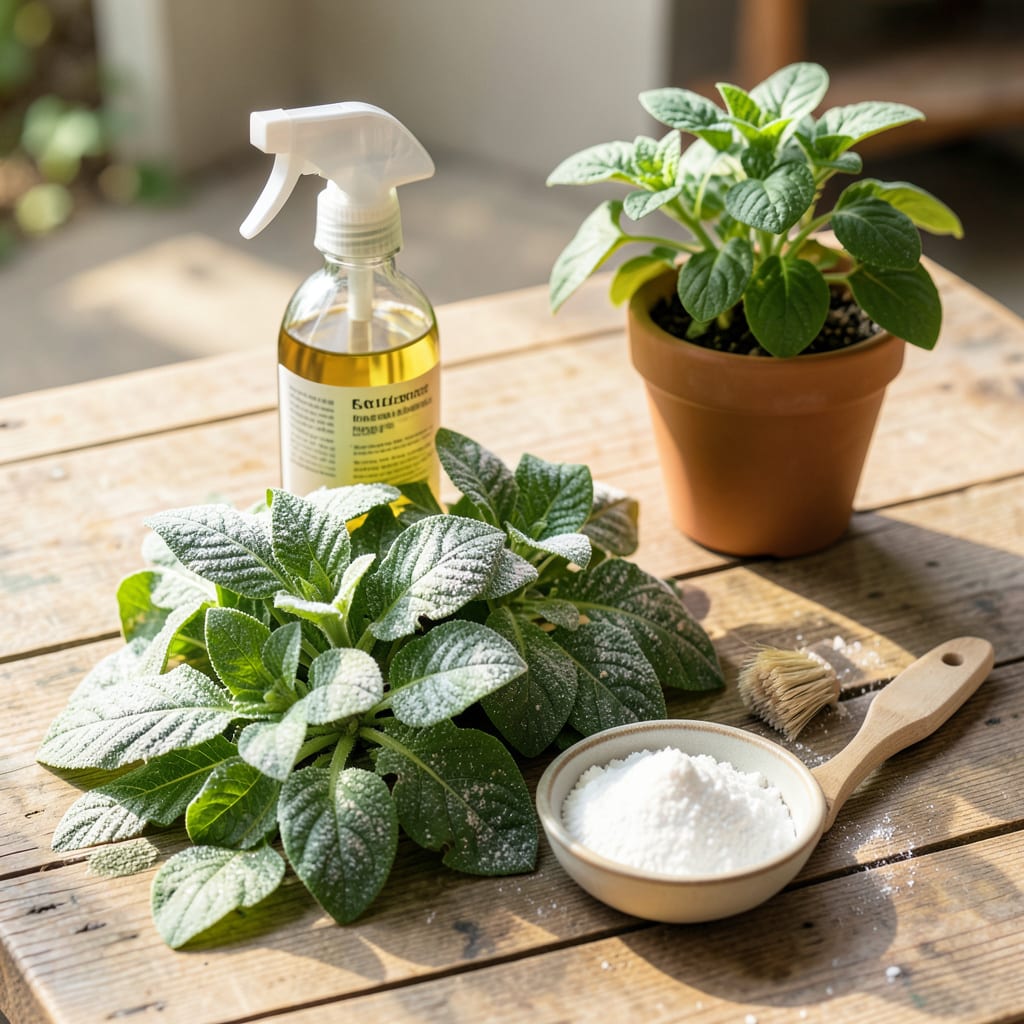
That white powder on your leaves isn’t dust—it’s a fungal party crashing in your garden. I’ve battled powdery mildew on everything from roses to zucchini, and the good news is it’s 100% treatable without harsh chemicals.
First sign is usually a dusty coating on upper leaves, then it spreads fast in humid conditions. The key is catching it early before it weakens plants and stunts growth. My organic approach cleared it up in under a week last season.
You’ll use simple household items you probably already have. The solution is gentle on plants but tough on fungus, and your garden will look healthier within days. No fancy equipment required—just consistency.
Works for all susceptible plants, from cucumbers to phlox. Let’s evict those uninvited guests for good.
Powdery mildew thrives under specific environmental and plant health conditions. Understanding these root causes helps you prevent and address the issue more effectively.
This fungal disease flourishes in environments with 60-80% humidity and stagnant air. Spore germination accelerates when moisture lingers on leaf surfaces, especially in crowded plantings or shaded areas where air circulation is limited. Erysiphe and Podosphaera fungi, common culprits, spread rapidly in these conditions.
Some plants are genetically more vulnerable. Roses, cucumbers, squash, and zucchini often fall prey due to their thin cuticles and dense foliage, which trap moisture. New growth, with its tender tissues, is particularly susceptible to infection.
Watering from above leaves foliage wet for extended periods, creating an ideal breeding ground for spores. Evening watering is especially risky, as cooler nighttime temperatures slow evaporation, giving fungi more time to colonize.
Powdery mildew favors warm days (68-80°F) and cool nights. These temperature swings stress plants, weakening their natural defenses. Unlike other fungi, powdery mildew doesn’t require free water to grow—just high humidity.
Plants with excess nitrogen (promoting lush, soft growth) or deficiencies in potassium or calcium are more prone to infection. A balanced fertilizer regimen strengthens cell walls, making it harder for spores to penetrate.
Powdery mildew can be stubborn, but these targeted solutions will help you restore plant health and keep your garden thriving. Address the root cause first for the best results.
Trim dense foliage to allow airflow between plants. Space potted plants apart and avoid overcrowding garden beds. For indoor plants, use a small fan on low to keep air moving. Prevention tip: Prune regularly and avoid planting in shaded, still corners.
Water plants at the base in the early morning so leaves dry quickly. Use drip irrigation or a soaker hose to keep foliage dry. If humidity is high, consider a dehumidifier for indoor spaces. Prevention tip: Let soil dry slightly between waterings to discourage fungal growth.
Strengthen plants with balanced fertilizer and proper sunlight. Remove heavily infected leaves or stems to prevent spread. Apply a neem oil spray (1 tbsp neem oil + 1 tsp dish soap + 1 quart water) weekly until the issue clears. Prevention tip: Keep plants well-fed but avoid over-fertilizing, which can stress them.
Mix 1 tbsp baking soda + 1 quart water + a few drops of dish soap, and spray on affected leaves weekly. Alternatively, use milk spray (1 part milk to 9 parts water) for a gentle, effective treatment. Always test on a small area first. Prevention tip: Apply preventative sprays every 2–3 weeks during humid seasons.
💡 Pro Tip: Rotate treatments to prevent fungal resistance, and always clean up fallen leaves or debris where spores can linger.
Yes, a baking soda solution changes leaf pH, making it harder for spores to grow. Mix 1 tbsp with 1 quart water and a drop of soap. Spray weekly for best results.
Vinegar can work but must be diluted (2 tbsp per 1 gallon water) to avoid burning leaves. Test on a small area first. It’s effective but use sparingly.
Apply treatments like neem oil or milk spray every 7-10 days until the issue clears. Preventative sprays can be used every 2-3 weeks in humid seasons.
Yes, spores travel easily via wind or water. Isolate infected plants and treat immediately. Improve airflow and avoid overhead watering to limit spread.
