
Beautiful Plants For Your Interior
Beautiful Plants For Your Interior
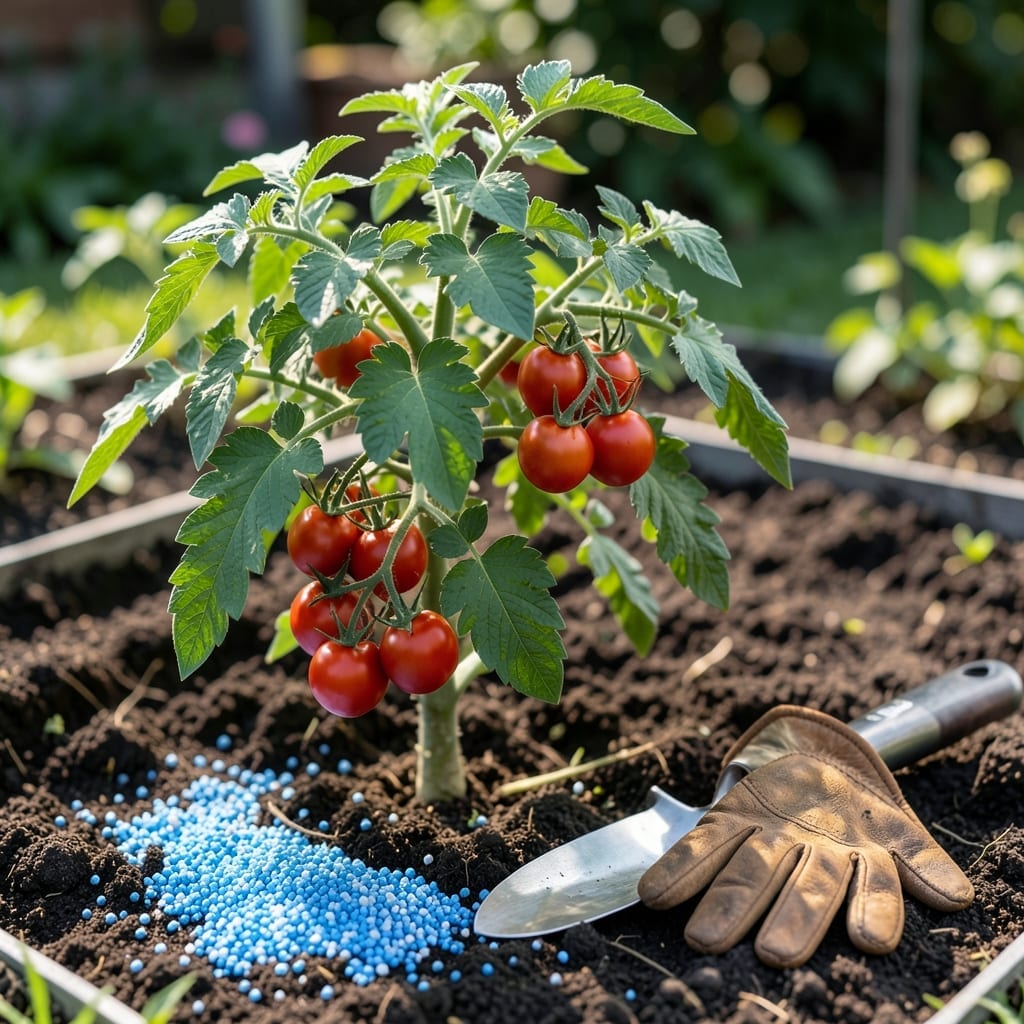
I used to struggle with lackluster vegetable harvests until I discovered the power of the right fertilizer. That game-changing moment came when I realized how much difference proper nutrition makes for 🥕 Vegetables.
The truth is, even with good soil and sunlight, your plants might be missing key nutrients. That’s where targeted feeding comes in, transforming average gardens into thriving, productive spaces.
I’ll walk you through how to use this approach effectively, from timing to techniques. These simple methods can mean the difference between disappointment and a bountiful harvest.
Find out how to give your Vegetables exactly what they need to flourish, with practical tips that work for any garden size or experience level.
I’ve seen firsthand how Miracle-Gro fertilizer can turn a struggling vegetable patch into a thriving harvest. The secret lies in its balanced NPK ratio and added micronutrients.
This formula delivers essential nitrogen for leafy growth, phosphorus for strong roots, and potassium for fruit development. It works wonders for tomatoes, peppers, and leafy greens alike. 🌱
| Vegetable Type | Key Benefit | NPK Focus |
|---|---|---|
| Tomatoes | Boosts fruiting | High potassium |
| Peppers | Strong stems | Balanced NPK |
| Leafy Greens | Lush foliage | High nitrogen |
The water-soluble formula means plants absorb nutrients quickly, often within 24 hours. I always notice faster growth and darker green leaves after application.
For container gardens, Miracle-Gro helps compensate for limited root space. The micronutrients like iron and zinc prevent deficiencies that often plague potted plants.
I recommend using it every 7-14 days during the growing season. This consistent feeding keeps soil fertility high without overwhelming plants.
One thing I love is how it improves soil structure over time. The organic matter in some Miracle-Gro blends enhances moisture retention and aeration.
For raised beds, it’s particularly effective. The concentrated nutrients work well in the loose, well-draining soil typical of these setups.
Remember, more isn’t better. Always follow the package instructions. Over-fertilizing can lead to leaf burn or nutrient runoff.
I’ve found the liquid form works best for most vegetables. It allows for precise control over nutrient delivery and is easy to adjust for different plant needs.
Whether you’re growing heirloom tomatoes or crisp lettuce, Miracle-Gro provides the consistent nutrition needed for maximum yield and vibrant plants. 🌿
I always start by checking the weather forecast before applying Miracle-Gro. You want dry conditions for at least 24 hours after feeding to prevent runoff.
For liquid Miracle-Gro, I mix 1 tablespoon per gallon of water for most vegetables. This ratio provides consistent nutrition without overwhelming delicate roots.
The granular version works well for slow-release feeding. I sprinkle it around the drip line of plants and gently work it into the top 1-2 inches of soil.
For container vegetables, I reduce the dose by half. Potted plants can’t escape excess nutrients, so less is truly more in these cases.
I find early morning is the ideal time to fertilize. This gives plants the entire day to absorb nutrients before cooler evening temperatures slow their metabolism.
Always water thoroughly after applying Miracle-Gro. This helps distribute nutrients evenly and prevents potential root burn. 🌿