
Beautiful Plants For Your Interior
Beautiful Plants For Your Interior
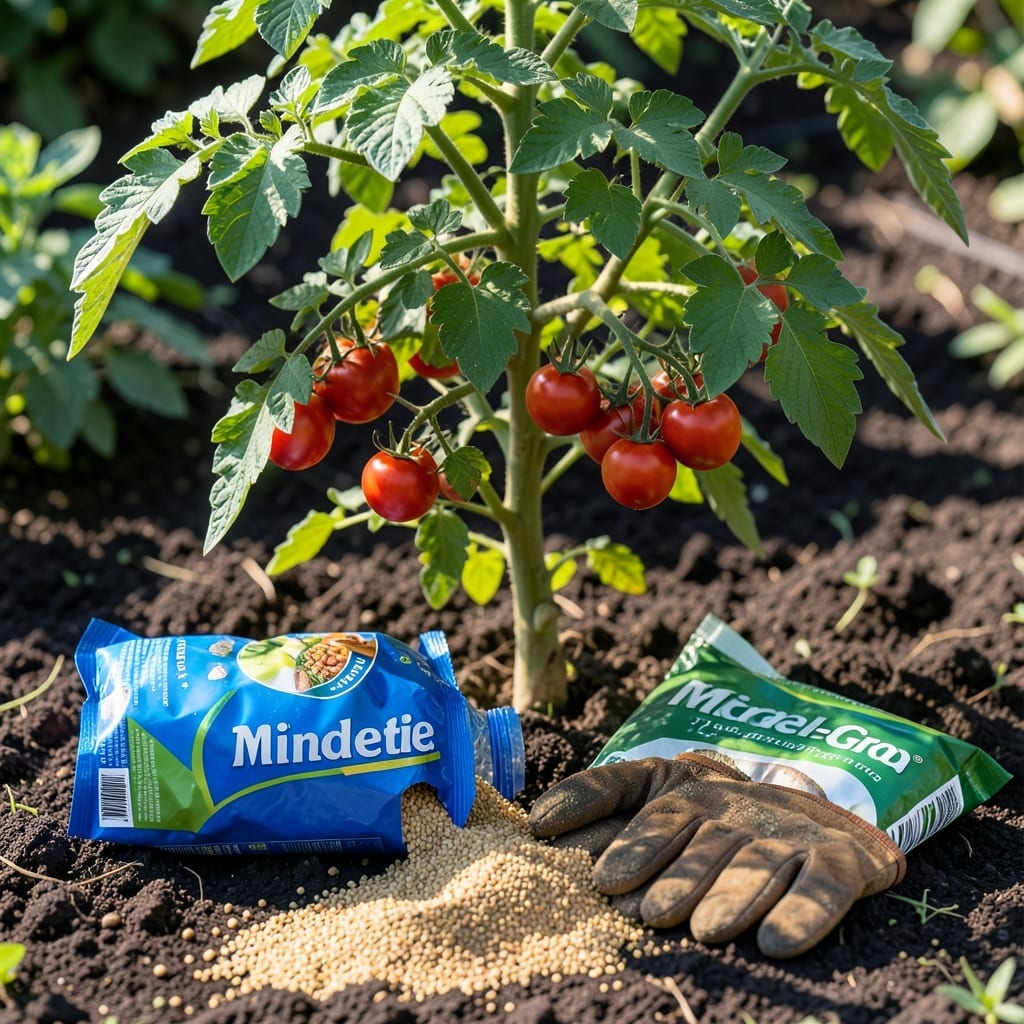
Tired of watching your General Plant 🌱 struggle to thrive despite your best efforts? The right fertilizer can make all the difference, turning lackluster growth into a vibrant display.
I’ve seen firsthand how proper nutrition transforms plants from surviving to flourishing. With the right approach, you’ll unlock your garden’s full potential in no time.
Discover how to use this powerful tool effectively, avoid common pitfalls, and watch your garden come alive like never before.
Using Miracle-Gro fertilizer correctly can transform your garden. I’ve seen wilted plants bounce back to life with the right approach. The key is understanding your plant’s needs and the fertilizer’s nutrient balance.
This water-soluble fertilizer works fast, but timing and dosage matter. Whether you’re growing vegetables, flowers, or houseplants, the method changes slightly. Let’s break it down step by step.
For outdoor plants, I recommend applying in the early morning. This gives the foliage time to dry, reducing the risk of fungal diseases. The cool temperatures also help the roots absorb nutrients efficiently.
Indoor plants need less frequent feeding. I’ve found that monthly applications work well for most houseplants. Always check the package instructions for specific ratios, as some Miracle-Gro variants are more concentrated.
If you’re growing vegetables or herbs, stick to a balanced 10-10-10 formula. For flowering plants, a bloom booster with higher phosphorus (like 15-30-15) will encourage more vibrant blooms.
Over-fertilizing is a common mistake. If you notice yellowing leaves or stunted growth, flush the soil with water to remove excess salts. I’ve saved many plants by catching this early and adjusting my approach.
For container plants, nutrients deplete faster. I feed my potted tomatoes and peppers every 10 days during peak growth. Remember, consistency is more important than large doses.
Always store your Miracle-Gro in a cool, dry place. I keep mine in a sealed container to prevent moisture from clumping the granules. This ensures every application is as effective as the first.
With these tips, you’ll see stronger stems, greener leaves, and more abundant blooms in no time. Happy gardening! 🌿
Choosing the right Miracle-Gro fertilizer can feel overwhelming with so many options. I’ve tested various types and found each serves a unique purpose. The All Purpose formula works well for most garden plants, while specialized blends cater to specific needs.
For container gardening, I prefer Osmocote Smart-Release. Its slow-release granules feed plants for up to 4 months, which is perfect for my busy schedule. Meanwhile, Liquafeed is my go-to for quick nutrient boosts during critical growth stages.
| Product Type | Best For | Key Benefit |
|---|---|---|
| All Purpose | Vegetables & Flowers | Balanced 10-10-10 nutrition |
| Shake ‘n Feed | Outdoor Plants | Feeds for 3 months |
| Osmocote | Potted Plants | Slow-release 4-month feed |
| Liquafeed | Quick Results | Instant nutrient uptake |
The Shake ‘n Feed granules are excellent for established beds. I sprinkle them around my rose bushes and shrubs every 3 months for consistent growth. The added micronutrients help prevent deficiencies I’ve struggled with in the past.
For acid-loving plants like blueberries and azaleas, Miracle-Gro offers a specialized formula. I noticed a dramatic improvement in my hydrangeas after switching to this version—the bluer blooms were a pleasant surprise!
If you’re growing organic produce, consider the Organic Choice line. It’s OMRI-listed and provides the same great results without synthetic chemicals. I use it for my vegetable garden and love knowing my food is chemical-free.
Remember, always match the fertilizer to your plant’s specific needs. What works for tomatoes might not suit succulents. When in doubt, the All Purpose is a safe bet for most garden plants. 🌱